
Light Requirements
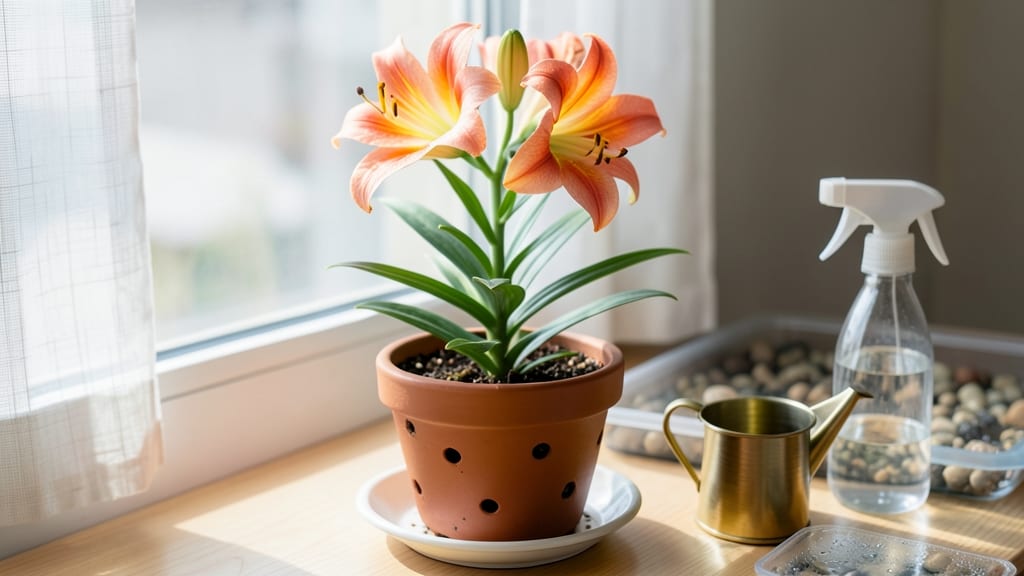
Growing Asiatic lilies indoors means bringing that bold summer color into your space—even when your windows aren't sunbathers. 🌿 I've wrestled with these dramatic blooms in apartments with north-facing windows, and here's what actually works: the right light tricks, soil secrets, and a watering routine that won't shock your plants into early retirement.
Start with a well-draining mix (think 60% potting soil, 30% perlite, 10% orchid bark) and a pot with drainage holes—no exceptions. Asiatic lilies hate soggy feet, and indoor air dries them out faster than you'd think.
Place your plant near a bright, indirect light source (south or west windows work best), and rotate it weekly so those stems don't get lopsided like my first attempt.
You'll spot those signature orange, pink, or red blooms in 8-12 weeks if you keep the soil lightly moist (not drowned) and humidity high with a pebble tray.
The trade-off? These indoor lilies may bloom smaller than their outdoor cousins, but they'll still make a statement. Think of them as low-light superstars rather than perfect replicas.
When things go wrong—yellow leaves, floppy stems—it's usually one of three things: overwatering, light starvation, or a pot that's too small. Troubleshoot by checking the soil moisture with your finger (top inch should be dry) and moving the plant closer to the window.
If your space just can't cut it, try a grow light for 12 hours daily—it's the next best thing to sunshine.
📚 In This Guide
- What you need
- Instructions
- Tips and common mistakes
- Wrapping up and next steps
What you need
- ● Asiatic Lily Bulbs: 1–3 bulbs (depending on pot size; choose Lilium asiatic hybrids for indoor-friendly varieties).
- ● Pot: 1 ceramic or terracotta pot (6–8 inches in diameter) with drainage holes or a fabric grow bag (10–12 inches).
- ● Potting Mix: 1 bag (2–3 quarts) of well-draining, bulb-specific mix (e.g., 50% peat moss, 30% perlite, 20% compost).
- ● Drainage Layer: ½ cup of small pebbles or coarse sand for the pot’s bottom.
- ● Watering Can: 1 (with a narrow spout for gentle watering).
- ● Fertilizer: 1 balanced, water-soluble fertilizer (5-10-5 ratio) or organic options like worm castings.
- ● Grow lights (LED or fluorescent, 12–16 hours/day) for low-light spots.
- ● Moisture meter to monitor soil hydration without overwatering.
- ● Decorative mulch (e.g., orchid bark) to retain moisture and add aesthetics.
- ● Support stakes or a small trellis if stems grow tall (though Asiatics are typically sturdy).
Step-by-step instructions for growing Asiatic lilies indoors
Bring the bold beauty of Asiatic lilies indoors with these foolproof low-light care steps.
🪴 Step 1: Select the Right Container and Soil Mix
Choose a 6-8 inch diameter pot with drainage holes—Asiatic lilies hate soggy roots. I use terracotta because it breathes and helps prevent rot. Fill the bottom inch with orchid bark or perlite for extra drainage, then add a high-quality potting mix blended with 20% compost for nutrients. The mix should feel light and airy, like crumbled cake.
Tap the pot gently on your work surface to settle the soil without compacting it. You want roots to spread easily, not fight through dense soil. If your mix feels heavy, add more perlite—this prevents waterlogging, which is Asiatic lilies' biggest indoor enemy.
🌱 Step 2: Plant the Lily Bulb Correctly
Place the bulb in the pot with its pointy end facing up—this is where the stem will emerge. Partially bury it so the top third remains exposed; this prevents rot while allowing the shoot to push through easily. If planting multiple bulbs, space them 2-3 inches apart.
Gently press the soil around the bulb to secure it, but don't pack it down. The goal is firm enough to hold the bulb in place, but loose enough for roots to grow downward. Water lightly until the soil feels evenly moist, but not soggy—think of a wrung-out sponge.
☀️ Step 3: Position for Low-Light Success
Asiatic lilies tolerate low light better than most bulbs, but they still need bright, indirect light for at least 4-6 hours daily. Place your pot near an east-facing window or under a grow light positioned 12-18 inches away. You'll know the light is right when leaves stay vibrant green—not yellow or pale.
Rotate the pot a quarter turn weekly so growth stays even. If leaves start stretching toward the light, your plant is reaching—move it closer or increase light exposure. Avoid direct midday sun, which can scorch delicate foliage.
💧 Step 4: Water and Fertilize for Healthy Growth
Water when the top 1-2 inches of soil feel dry—about once a week in low light. Use room-temperature water and soak the soil until water runs from the drainage holes. Empty the saucer afterward to prevent root rot. Overwatering is the #1 killer of indoor Asiatic lilies.
Start fertilizing when you see 2-3 inches of new growth. Use a balanced liquid fertilizer (10-10-10) diluted to half strength every 4 weeks. Stop fertilizing in late summer to encourage bulb dormancy—this prepares them for next season's blooms.
✂️ Step 5: Care for Blooms and Prepare for Dormancy
When buds form, move the pot to a slightly brighter spot to encourage flowering. Deadhead spent blooms by snipping stems ½ inch above the next leaf node—this redirects energy to bulb storage. If leaves yellow after blooming, that's normal; they'll die back naturally as the bulb rests.
When foliage fully browns (usually 6-8 weeks after blooming), reduce watering to every 3-4 weeks until spring. Store the pot in a cool (50-60°F), dry place. In spring, resume regular care and watch for new shoots—your lilies are ready to bloom again!
Tips & tricks for perfect indoor Asiatic lilies
These game-changing insights will help your low-light lilies thrive like a pro—no green thumb required!
Container Wisdom: Terracotta pots aren't just my go-to—they're essential for Asiatic lilies. The porous material wicks away excess moisture, preventing the root rot that plagues so many indoor bulb growers. If you must use plastic, drill extra drainage holes at the bottom and use a cache pot underneath to catch runoff. The key is keeping those roots happy and dry!
The Light Secret: Those 4-6 hours of bright, indirect light are non-negotiable, but here's the pro move: supplement with a simple LED grow light if natural light falls short. Position it 12-18 inches away and keep it on for 6-8 hours daily. You'll notice leaves staying vibrant green instead of stretching toward the light—this is your plant telling you it's getting exactly what it needs.
Watering Hack: The "wrung-out sponge" test is foolproof, but here's what nobody tells you—water in the morning so excess moisture has time to evaporate before nightfall. This prevents fungal issues that love damp, dark conditions. And always empty that saucer! Even with drainage holes, standing water creates a death trap for lily roots.
Fertilizer Timing: Wait until you see those 2-3 inches of new growth before fertilizing—this tells you the bulb is actively growing and ready to use nutrients. I like to fertilize right after watering so the nutrients get absorbed immediately. And remember: stop in late summer to trigger dormancy. This isn't neglect—it's preparing your lilies for their next spectacular show!
Pro Tips for Asiatic Lily Indoor
- These game-changing insights will help your low-light lilies thrive like a pro—no green thumb required!
- Container Wisdom: Terracotta pots aren't just my go-to—they're essential for Asiatic lilies. The porous material wick...
- The Light Secret: Those 4-6 hours of bright, indirect light are non-negotiable, but here's the pro move: supplement w...
Frequently asked questions
Can Asiatic lilies thrive in low-light indoor spaces?
Yes! Asiatic lilies are far more adaptable than you’d think. While they prefer bright, indirect light, they can tolerate low-light conditions (like north-facing rooms) by slowing growth. Just ensure they get at least 4-6 hours of indirect light daily to prevent leggy stems or weak blooms. A grow light (12-14 hrs/day) can be a lifesaver for darker corners!
How often should I water my indoor Asiatic lily?
Water when the top 1-2 inches of soil feel dry—about once a week in winter and every 5-7 days in summer. Overwatering is their #1 enemy! Ensure pots have drainage holes to avoid root rot. Yellow leaves? You’re likely overdoing it. Let the soil dry slightly between waterings for best results.
Why aren’t my Asiatic lilies blooming indoors?
Blooms need bright light + a dormancy period. If your lilies are skipping flowers, try:
- Moving them to a sunnier spot (east/west windowsill).
- Reducing water in late fall/winter to mimic dormancy.
- Fertilizing lightly (balanced 10-10-10) in spring when growth resumes.
What’s the best alternative for low-light indoor lilies?
If Asiatic lilies struggle in your space, try these low-light-friendly bulbs:
- Peace Lilies (Spathiphyllum): Thrives in dim corners, blooms white “flowers.”
- African Lilies (Agapanthus): Handles shade better than Asiatics (but needs winter dormancy).
- Spider Plants (Chlorophytum): Nearly indestructible and tolerates neglect!
How do I fix brown tips on my Asiatic lily leaves?
Brown tips usually mean low humidity + underwatering (or over-fertilizing). Fix it by:
- Misting leaves daily or placing the pot on a tray with pebbles + water.
- Trimming brown tips with sterile scissors to prevent spread.
- Avoiding fluoride-rich water (use filtered or rainwater if tap water is harsh).
Wrapping up and next steps
Growing Asiatic lilies indoors in low-light spaces isn’t just possible—it’s rewarding! With the right soil, container, and a little patience, these vibrant blooms can thrive even without direct sunlight. Remember, consistency is key: monitor moisture, rotate your plant occasionally, and don’t hesitate to adjust care as seasons change.
Ready to watch your indoor garden bloom? Start by placing your Asiatic lily near a bright, indirect light source—like a north-facing window—and observe how it responds. Soon, you’ll be enjoying stunning, low-maintenance beauty right in your home! 🌱✨