
Container Gardens
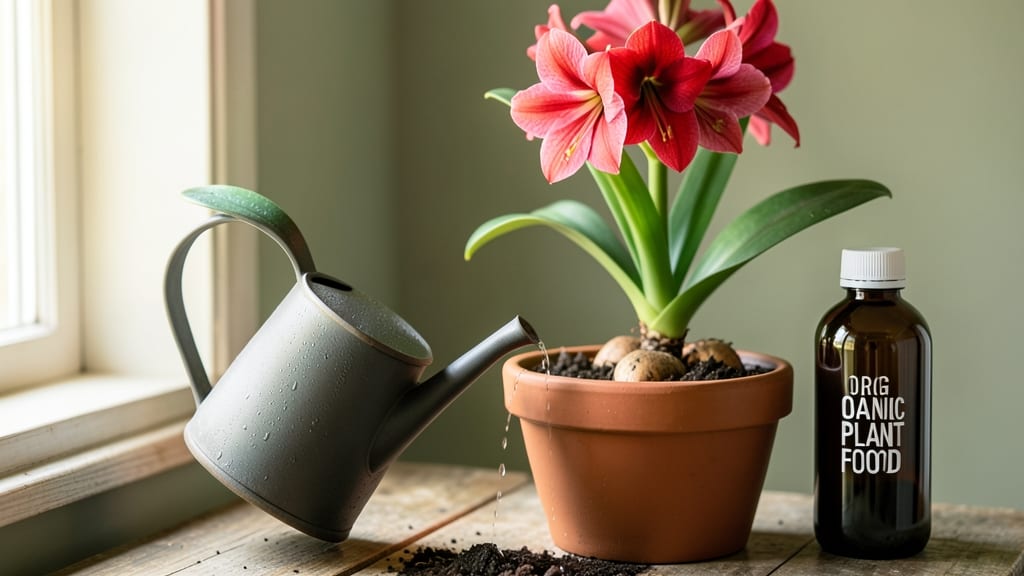
Indoor amaryllis care boils down to three lighting tricks that keep those dramatic blooms coming back every winter. 🌱 I’ve had mine rebloom reliably for five years now—no greenhouse, no fancy equipment, just a few key adjustments that mimic their natural habitat.
The biggest mistake people make is treating them like houseplants instead of seasonal performers.
You’ll need bright, indirect light for 6-8 hours daily, a well-draining potting mix, and patience during their 8-10 week dormancy period after blooming. Most problems—yellowing leaves, no flowers—come from ignoring one of these three basics.
The good news? Fixing them is easier than you’d think, and once you get the rhythm, your amaryllis will outshine every other plant in the room.
By summer’s end, you’ll trigger that first flower stalk with just a shift in water and light. The blooms last 7-10 days each, but the real magic is watching the bulbs store energy for next season. Even my black-thumb neighbor can’t kill these with basic care.
Works for any indoor space—sunny windows, grow lights, or even a bright hallway. The secret’s in the timing, not the effort. Let’s get those bulbs blooming again.
📚 In This Guide
- What you need
- Instructions
- Tips and common mistakes
- Wrapping up and next steps
What you need
- ● Potted Amaryllis Bulb: 1 healthy, firm bulb (size 4"–6" or larger for best blooms). Look for bulbs with no soft spots or mold.
- ● Well-Draining Pot: 1 container with drainage holes (12"–16" diameter for a single bulb; larger for multiple bulbs). Terracotta or ceramic pots work well.
- ● Potting Mix: 1 bag of well-draining cactus/succulent mix or a blend of 50% potting soil + 50% perlite/pumice.
- ● Watering Can or Spray Bottle: For gentle hydration—avoid soggy soil!
- ● Fertilizer: 1 balanced liquid fertilizer (10-10-10 or 20-20-20) or a slow-release bulb fertilizer.
- ● Grow lights (LED or fluorescent) for low-light spaces.
- ● Peat pellets or moss for moisture retention (if humidity is low).
- ● Decorative pot cover or saucer to catch excess water.
- ● Plant ties or stakes to support tall stems (if needed).
- ● Humidity tray (pebbles + water) for dry indoor air.
Simple amaryllis care indoors: lighting, watering, and blooming basics
Here's how to keep your amaryllis thriving with minimal fuss—no green thumb required.
☀️ Step 1: Position for Bright, Indirect Light
Amaryllis craves bright light but hates direct sun, which scorches leaves. Place your plant near an east-facing window where it gets morning sun and gentle afternoon light. If that's not an option, a west window with sheer curtains works too—just keep the plant 3-4 feet away from the glass.
Watch for these clues: If leaves turn yellow or crispy, it's too much sun. If they stretch pale and leggy, move it closer to the light. A grow light on a timer (12-14 hours daily) saves the day in dim rooms—just keep it 6-12 inches above the plant to avoid burning.
💧 Step 2: Water Only When Soil Is Completely Dry
Overwatering kills amaryllis faster than anything. Stick your finger 1-2 inches into the soil—if it feels dry, water thoroughly until it drains from the bottom. Let excess water empty from the saucer within 15 minutes, or roots will rot. During winter dormancy, water only every 3-4 weeks unless the soil is bone-dry.
Here's the trick: Bottom watering prevents soggy soil. Place the pot in a shallow tray of lukewarm water for 10-15 minutes, then drain. You'll see roots perk up within days if they were thirsty. Yellowing leaves? Usually a sign of overwatering—cut back immediately and let the soil dry out completely.
⏰ Step 3: Trigger Blooming with a Dormancy Reset
After flowering, let the foliage die back naturally. Once the leaves turn yellow and crispy, stop watering entirely and move the pot to a cool, dark spot (60-65°F) for 8-10 weeks. This mimics winter and signals the bulb to store energy for next year's bloom. I set mine in a closet with a small fan for airflow—no light, no water, just patience.
After dormancy, repot if roots are crowding the container (spring is ideal). Use fresh potting mix and a pot just 1-2 inches larger than the bulb. Water lightly and return to bright light. You'll see new shoots in 4-6 weeks—that's your cue to resume normal care. Skipping dormancy? Your amaryllis may bloom, but future flowers will be smaller and sparser.
🌱 Step 4: Feed and Repot for Next Season's Blooms
When new growth appears in spring, feed with a balanced liquid fertilizer (10-10-10) diluted to half strength every 2 weeks until buds form. I switch to a low-nitrogen, high-phosphorus fertilizer (5-10-10) once buds appear to encourage blooming. Never fertilize a dormant bulb—it's like waking a hibernating bear and handing it candy.
Repot every 2-3 years or when roots circle the pot. Choose a container 2-3 inches wider than the bulb, with drainage holes. Amaryllis bulbs like being snug—too much space means weak blooms. After repotting, water lightly and place in bright, indirect light until new growth appears. A happy bulb = a showstopping bloom cycle.
Tips & tricks for perfect amaryllis care indoors
These simple tricks will help you avoid common pitfalls and keep your amaryllis blooming beautifully year after year.
Lighting Hack: If your east or west window isn't an option, try rotating your amaryllis a quarter turn every few days in Step 1. This ensures even light exposure and prevents lopsided growth. I've seen plants develop uneven foliage when kept in one position too long—this small adjustment makes a big difference.
Watering Wisdom: The 15-minute drainage rule in Step 2 is non-negotiable, but here's the secret: Use a pot with drainage holes AND a saucer with drainage holes too. This prevents water from sitting in the saucer, which can lead to root rot. I repurposed an old ceramic plate with holes drilled in the bottom—works perfectly!
Dormancy Timing: That 8-10 week dormancy period in Step 3 can feel long, but here's what nobody tells you—you can actually start the dormancy period right after the flowers fade, not just when leaves die back. This gives your bulb more time to store energy for next year's blooms. Just be patient—consistent darkness and cool temps are key.
Fertilizer Tip: When switching to the 5-10-10 fertilizer in Step 4, I like to mix it with water in a spray bottle for the first application after buds appear. This helps prevent fertilizer burn on the emerging blooms while still giving them that phosphorus boost they need to open fully.
Pro Tips for Amaryllis Care Indoors
- These simple tricks will help you avoid common pitfalls and keep your amaryllis blooming beautifully year after year.
- Lighting Hack: If your east or west window isn't an option, try rotating your amaryllis a quarter turn every few days in Step 1.
- Watering Wisdom: The 15-minute drainage rule in Step 2 is non-negotiable, but here's the secret: Use a pot with drainage holes AND a saucer with drainage holes too.
Frequently asked questions
Got questions about keeping your amaryllis thriving indoors? You’re not alone! Here are some of the most common concerns—and their easy fixes.
How often should I water my amaryllis?
Water your amaryllis only when the top 1-2 inches of soil feel dry. Overwatering is the #1 killer—these bulbs store moisture, so they prefer to dry out between drinks. In winter, reduce watering to every 3-4 weeks to mimic dormancy.
Why isn’t my amaryllis blooming?
Blooms need 6-8 weeks of cool (60–65°F) temps and minimal water. If your plant’s been warm and soggy, it’s likely resting. Try moving it to a bright, cool spot (like a north-facing window) and cut back on water. Patience pays off—blooms often follow!
Can I keep my amaryllis in low light?
While they tolerate low light, they’ll thrive with bright, indirect light (east or west windows). Without enough light, leaves grow leggy, and blooms may skip town. A grow light 6–8 inches away for 12–14 hours/day works wonders if natural light is lacking.
What do I do after the flowers die?
Don’t snip the flower stalk—let it yellow and wilt naturally. Once dead, trim it at the base. Keep watering and fertilizing the leaves (not the bulb) to store energy for next year’s blooms. In late summer, reduce water to encourage dormancy.
Are there amaryllis alternatives for small spaces?
Yes! Try paperwhite narcissus (fragrant, compact) or hippeastrum ‘Minima’ (mini blooms, 6–8 inches tall). Both need similar care but stay petite. Just ensure they get bright light—no skimpiness allowed!
Wrapping up and next steps
Caring for your amaryllis indoors is simpler than you think—just a little light, love, and patience! With the right lighting tricks, you’ll enjoy stunning blooms year after year. Remember, bright, indirect light is key, and don’t forget to rotate your plant occasionally for even growth.
Now that you’re armed with these tips, go ahead and give your amaryllis the best care possible! Ready to watch it thrive? Check out our guide on fertilizing tips to keep those blooms coming back bigger and brighter!