
Container Gardens
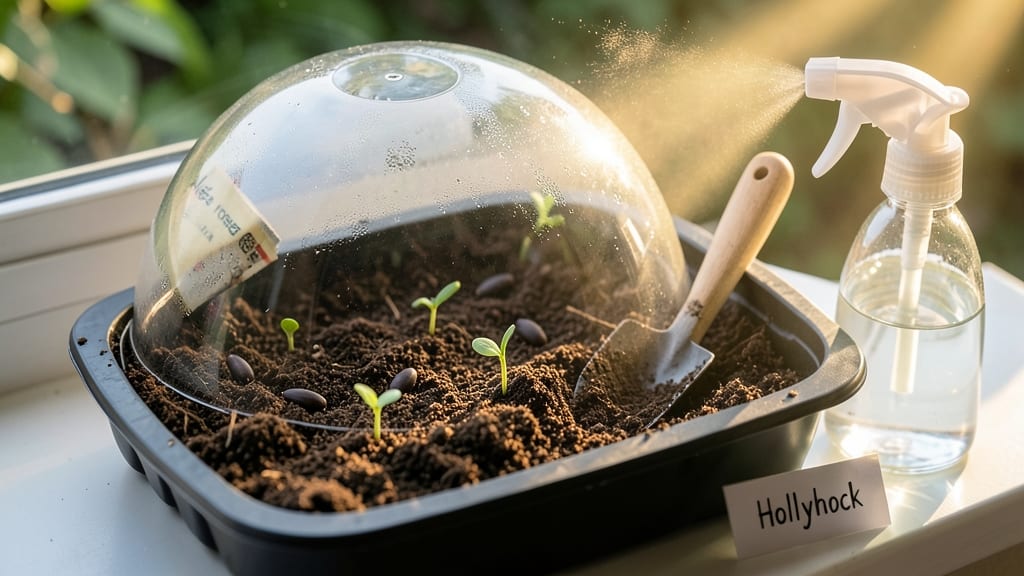
Starting hollyhock seeds indoors at the right time means towering blooms by summer. 🌱 The key is matching your local frost dates to indoor seed-starting schedules—typically 8-10 weeks before the last spring frost for most zones.
Hollyhocks thrive in cool weather, so timing is everything to avoid leggy seedlings or bolting before they flower.
For Zone 5-7 gardeners, that means starting seeds indoors in early March—just as daylight hours begin stretching. If you're in warmer climates (Zones 8-10), push it back to late February.
A sunny windowsill or grow light keeps seedlings sturdy, and transplanting them outside after frost gives them time to establish before summer heat arrives.
You’ll end up with 6-foot-tall stalks bursting with classic dinnerplate blooms by mid-summer. The secret? Cool soil and consistent moisture—no soggy bottoms or dry crusts. These biennials often self-seed, but starting them indoors ensures you get the strongest, most vibrant plants for your garden.
Pro tip: Mark your calendar based on your last frost date, and keep seedlings indoors until nighttime temperatures stay above 50°F. That’s when they’re ready to stretch their legs outside—literally. Your garden will thank you for the patience.
📚 In This Guide
- What you need
- Instructions
- Tips and common mistakes
- Wrapping up and next steps
What you need
- ● Hollyhock seeds: Choose heirloom or hybrid varieties (e.g., Alcea rosea). Start with 2–5 seeds per container (they germinate easily, so you can thin later).
- ● Seed-starting trays or small pots: 2–4 inch deep with drainage holes. Use 4–6 trays/pots for a small batch.
- ● Seed-starting mix: Lightweight, sterile mix (e.g., 50% peat moss + 50% perlite). Avoid garden soil—it’s too dense!
- ● Grow lights or sunny windowsill: Hollyhocks need 12–16 hours of light daily. A full-spectrum LED grow light works best if natural light is limited.
- ● Misting bottle or spray nozzle: For gentle watering to keep seeds moist without disturbing them.
- ● Plastic wrap or humidity dome: To retain moisture while seeds germinate (remove once sprouts appear).
- ● Plant labels & markers: Hollyhocks have long taproots—label early to avoid disturbing seedlings later!
- ● Heating mat: Speeds up germination (keep soil at 70–75°F).
- ● Fertilizer (diluted): Use a balanced 10-10-10 or fish emulsion once seedlings have 2–3 true leaves.
- ● Transplanting pots: 3–4 inch pots for seedlings before moving outdoors.
- ● Garden twine or stakes: Supports tall hollyhocks—add these after transplanting to avoid root disturbance.
Step-by-Step guide to timing hollyhock seed starting indoors
Here's my foolproof method for calculating the perfect indoor start date—no guesswork, just science-backed timing.
⏰ Step 1: Calculate Your Last Frost Date
Find your average last frost date for spring—this is your anchor point. Hollyhocks thrive in cool weather, so I aim for transplanting 4-6 weeks after that date. For example, if your last frost is May 15, I start seeds around April 1. Check your local agricultural extension office for precise data.
Here's the thing—hollyhocks grow slowly at first. You'll see tiny seedlings in 10-14 days, but they need 8-10 weeks indoors before transplanting. That slow start is why timing matters more than with fast-growing annuals.
🌱 Step 2: Work Backwards from Transplant Readiness
Hollyhocks hate being transplanted when established, so I never let them get larger than 4-6 inches tall before moving them outdoors. Count 8 weeks backward from your target transplant date. That's when I start seeds under lights.
I mark this date on my calendar with a red X. This ensures seedlings get 6-8 weeks of indoor growth before facing cooler outdoor temperatures. Too early? You'll end up with leggy, overgrown plants. Too late? First blooms won't appear until next year.
☀️ Step 3: Adjust for Your Climate Zone
Northern climates (zones 3-5) can start seeds 6-8 weeks before last frost—hollyhocks tolerate cooler soils. Southern growers (zones 6+) should wait until 4-5 weeks before last frost to avoid summer heat stress during transplanting.
Watch for local weather patterns too. If your spring tends to be wet and cold, push the start date earlier. Hollyhocks rot in soggy soil, and seedlings need firm, well-drained conditions to establish roots. I always check my local 10-day forecast right before transplanting—if night temps dip below 50°F, I delay by a week.
🌿 Step 4: Verify Seed Packet Recommendations
Most hollyhock seed packets include a "days to maturity" estimate. Subtract 10-12 weeks from that number to determine your start date. For example, if the packet says 120 days to bloom, I start seeds 108 days before my first expected frost-free day.
This accounts for both indoor growth and outdoor establishment. I cross-reference this with my earlier calculations—if the packet says 90 days to maturity but my zone needs 120 days of cool weather, I know I'm pushing it and might need to start earlier or choose a shorter variety.
✂️ Step 5: Prepare for Seasonal Adjustments
Hollyhocks are biennials, so I also consider whether I want first-year blooms. For fall planting (zones 7-9), I start seeds 10-12 weeks before first frost
Real talk: I've overcorrected on timing before, leading to either stunted plants or overgrown seedlings. The key is flexibility—if seedlings outgrow their containers, I transplant them into larger pots 2-3 weeks early rather than risking root-bound stress. Always err on the side of starting too soon rather than too late.
Tips & tricks for perfect hollyhock seed starting timing
Mastering the indoor start date for hollyhocks means understanding their unique growth rhythms—here's how to avoid common timing traps.
Climate Zone Precision: The 6-8 weeks before last frost for northern zones (3-5) works because hollyhocks tolerate cooler soils, but southern growers (zones 6+) should wait until 4-5 weeks before last frost to prevent heat stress during transplanting. I've learned this the hard way—overly early starts in hot climates lead to leggy, weak seedlings that never recover outdoors. Always verify your zone's frost dates through your local agricultural extension office for exact numbers.
Visual Growth Cues: In Step 2, when counting back 8 weeks from your transplant date, watch for seedlings reaching 4-6 inches tall—this is your ideal transplant size. Hollyhocks grow slowly at first (10-14 days for germination), but they shouldn't exceed 6 inches indoors. If they do, you've started too early. I use a small ruler next to my seed trays to monitor height daily—this simple habit prevents overgrown seedlings that transplant poorly.
Flexibility for Local Conditions: The 10-day forecast check before transplanting (when night temps dip below 50°F) is non-negotiable. I've delayed transplanting twice when unexpected cold snaps were predicted, and both times my hollyhocks thrived where early transplants would have failed. Keep a small portable thermometer handy—it's worth the investment to avoid losing your entire crop to a single cold night.
Seasonal Adjustment Strategy: For fall planting in zones 7-9 (where you want first-year blooms), starting seeds 10-12 weeks before first frost establishes strong roots before winter. I mark these dates on my garden calendar with different colored markers—red for spring starts, blue for fall—to avoid confusion. This biennial growth habit means your timing decisions affect not just this year's growth but next year's blooms too.
Pro Tips for When To Start Hollyhock Seeds Indoors
- Mastering the indoor start date for hollyhocks means understanding their unique growth rhythms—here's how to avoid co...
- Climate Zone Precision: The 6-8 weeks before last frost for northern zones (3-5) works because hollyhocks tolerate co...
- Visual Growth Cues: In Step 2, when counting back 8 weeks from your transplant date, watch for seedlings reaching 4-6...
Frequently asked questions
about starting hollyhock seeds indoors—because every gardener deserves a little clarity before diving in!When is the absolute latest I can start hollyhock seeds indoors?
For most climates, aim to sow seeds 6-8 weeks before your last frost date. Hollyhocks grow slowly, so late starts risk stunted plants. If you miss this window, try direct sowing after frost or opt for transplants (though they’re harder to find). Pro tip: Check your USDA zone—Zone 5+ gardeners can push it to early April!
Do hollyhock seeds need warmth to germinate? What’s the ideal temperature?
Hollyhock seeds thrive at 60–70°F (15–21°C) for germination. Too cold (<50°F/10°C), and they’ll sulk. Use a seedling heat mat if your home runs chilly. No heat? No worries—just be patient! Germination takes 10–21 days, so don’t toss the tray too soon. Bonus: A sunny windowsill or grow light speeds things up!
Can I start hollyhocks indoors without grow lights? What’s the workaround?
Yes! Hollyhocks tolerate low light better than many flowers, but they’ll stretch leggy without 12–14 hours of light daily. Place them near a south-facing window or rotate trays every 2–3 days for even growth. Leggy seedlings? Bury stems deeper when transplanting—they’ll root along the buried part! Watch for: Pale, weak stems = time for a grow light.
What if I live in a hot climate (Zone 9–10)? Should I still start seeds indoors?
In warm zones, start seeds indoors 8–10 weeks before your first frost (yes, they can handle cooler temps later). Hollyhocks love cooler weather—think of them as cool-season divas. For Zone 10+, sow in late summer (August) for a winter/spring bloom. Hardening off is key here—acclimate plants gradually to avoid shock!
My hollyhock seedlings look damp* and moldy. What’s wrong?
Hollyhocks hate soggy soil—a common culprit is overwatering or poor drainage. Fix it:
- Use well-draining seed-starting mix (add perlite if needed).
- Water only when the top inch is dry (bottom-watering helps!).
- Improve airflow with a small fan on low (24/7).
- If mold appears, remove affected seedlings and sprinkle cinnamon on soil (natural fungicide!).
Prevention: Sterilize trays between uses with a 10% bleach solution.
Wrapping up and next steps
Starting hollyhock seeds indoors at the right time—typically 6-8 weeks before your last frost date—sets the stage for stunning, towering blooms that will grace your container garden all season.
With the right timing, proper materials, and a little patience, you’ll soon be rewarded with vibrant flowers that attract pollinators and add drama to your space. Now that you’re equipped with the know-how, why not mark your calendar and get those seeds sprouting? 🌱✨
Your next step? Grab your seed-starting kit, follow your timeline, and watch your hollyhocks grow into a breathtaking centerpiece!