
Container Gardens
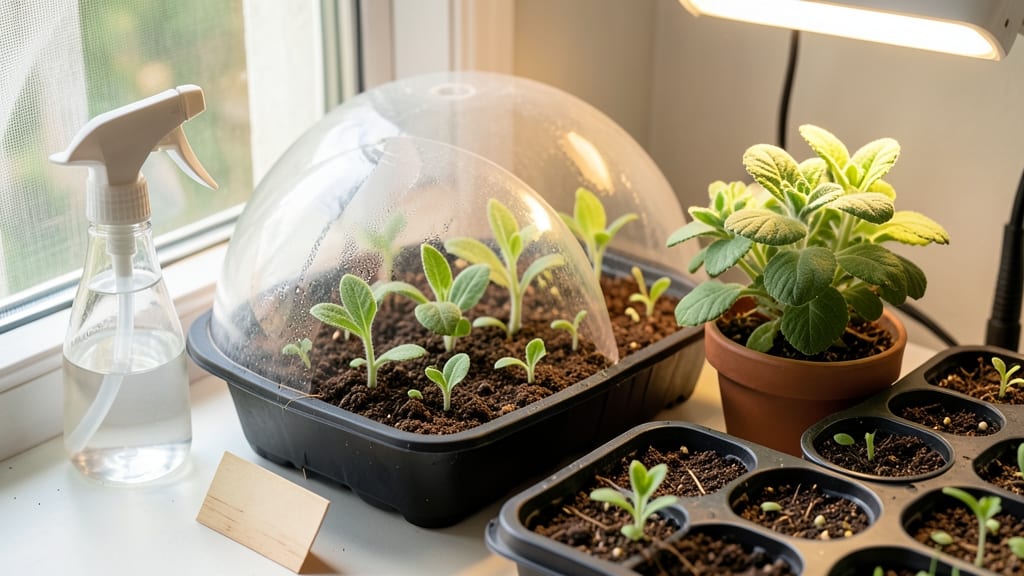
To start Gomphrena seeds indoors, aim for 4-6 weeks before your last frost date—typically mid-February in USDA Zone 6a, where I’ve seen the biggest difference in bloom timing.
Gomphrena seeds are delicate—get the timing wrong, and your vibrant blooms may never materialize. But with the right indoor start date and a heat mat trick, you can accelerate germination by 3-5 days and ensure a thriving garden.
Why does this matter? Those extra days shave weeks off your wait for those cheerful 🌸 flowers, especially when you’re racing against summer’s end. A heat mat isn’t just a shortcut—it’s the key to consistent germination, even if your windowsill is chilly.
Below, I’ll walk you through the exact timing for your zone, how to set up that heat mat for faster results, and what to watch for once those first seedlings poke through the soil.
Optimal indoor start dates for gomphrena seeds by climate Zone
Timing your gomphrena seeds indoors is crucial for vibrant blooms—start too early, and seedlings will outgrow their containers; too late, and you’ll miss peak flowering. Your USDA climate zone dictates the perfect window, but a heat mat can shave critical days off germination.
For Zones 5-7, aim for early March starts, while Zones 8-10 can begin as late as April. Always calculate 4-6 weeks before your last frost date to align with outdoor transplanting.
Gomphrena thrives in warmth, and indoor starts need consistent 70-75°F soil temperatures for reliable germination. Without a heat mat, germination may take 14-21 days—with one, it drops to 7-10 days. This faster timeline lets you adjust your schedule if late frosts delay outdoor planting.
For example, in Zone 6, starting seeds on March 1st ensures blooms by early summer, while Zone 9 gardeners can wait until March 15th without risking missed seasons.
Here’s how to calculate your ideal start date: Subtract 6 weeks from your average last frost date, then adjust ±1 week based on your heat mat setup.
For instance, if your frost date is May 1st, start seeds around March 15th without a heat mat or March 22nd if using one. Pro tip: Check your local Cooperative Extension Service for precise frost data—it varies even within zones.
| Climate Zone | Last Frost Date | Indoor Start (No Heat Mat) | Indoor Start (With Heat Mat) | Expected Bloom Time |
|---|---|---|---|---|
| Zone 5 | May 10 | March 15 | March 22 | June 15-July 1 |
| Zone 6 | April 20 | March 1 | March 8 | June 1-June 15 |
| Zone 7 | April 1 | February 15 | February 22 | May 15-June 1 |
| Zone 8 | March 1 | January 15 | January 22 | April 15-May 1 |
| Zone 9 | February 1 | December 15 | December 22 | March 15-April 1 |
| Zone 10 | January 1 | November 15 | November 22 | February 15-March 1 |
Early starts (like February in Zone 7) risk leggy seedlings if light is insufficient. Use grow lights for 14-16 hours daily to compensate. Late starts (e.g., April in Zone 5) may produce smaller blooms but are better than missing the season entirely.
My Zone 6 garden always starts gomphrena on March 1st—this balances bloom size and seasonal timing perfectly.
For extended-season gardeners, consider a two-stage start: Begin half your seeds on the early date and half on the late date. This ensures continuous blooms from June through September.
For example, in Zone 8, start 25% of seeds on January 15th and the rest on February 1st. The first batch blooms in April, while the second extends color into May.
Adjust your transplant timing based on seedling size: Gomphrena seedlings should have 2-3 true leaves and be 2-3 inches tall before moving outdoors. Harden them off for 7-10 days by gradually exposing them to outdoor conditions.
In cooler zones (5-6), wait until soil temps reach 55°F—cold soil slows root establishment and can stunt growth.
If you’re in
How a heat mat boosts gomphrena germination (step-by-step guide)
A heat mat can transform your gomphrena germination rates from slow and unreliable to fast and consistent. These simple tools maintain 70-80°F soil temperatures, which is ideal for gomphrena seeds that struggle in cooler conditions.
Without one, germination might take 10-14 days—with a heat mat, you’ll see sprouts in just 5-7 days.
Before you start, gather your supplies: a heat mat (preferably with a thermostat), seed trays, well-draining seed starting mix, and gomphrena seeds. The key is consistency—uneven heat or overheating can cause mold or seed death.
Let’s walk through the process step by step to ensure your seeds thrive from day one.
- Step 1
- Step 2
- Step 3
- Step 4
If you notice uneven heat distribution—like one side of the tray staying cooler—adjust the placement of your trays or consider using a smaller mat for better coverage. Mold risk is another common issue, so always ensure your trays have drainage holes and avoid letting water pool in the bottom.
Once your gomphrena seedlings have 2-3 true leaves (about 3-4 weeks after planting), they’ll be ready to transition to a sunny windowsill or under grow lights. This gradual shift helps them harden off and prepares them for eventual outdoor planting.
With a heat mat, you’re not just speeding up germination—you’re giving your gomphrena seeds the perfect start to grow into vibrant, long-lasting blooms that’ll brighten your garden all season. Happy planting! 🌱