
How To
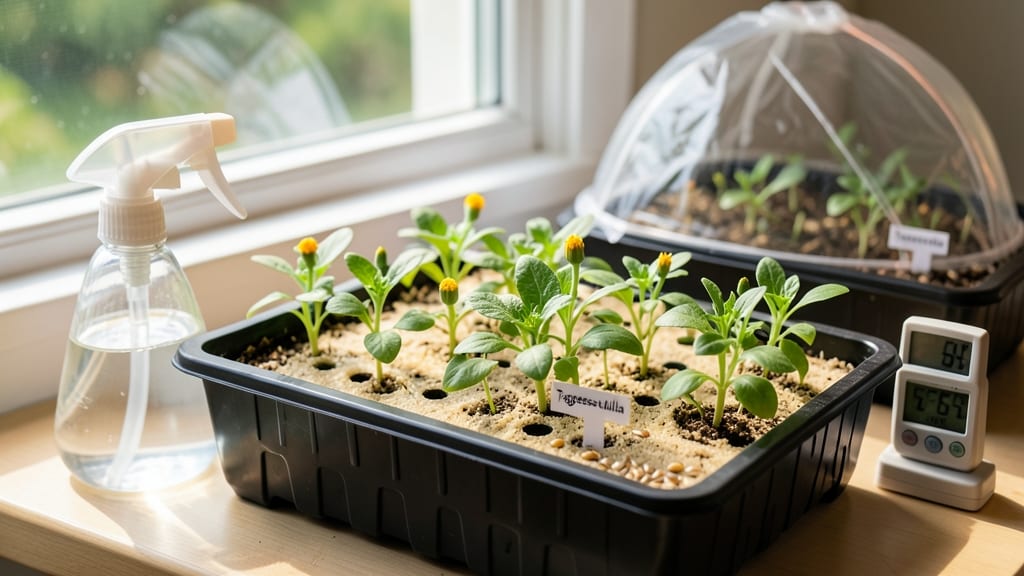
To start marigold seeds indoors for vibrant blooms, aim for 6-8 weeks before your last frost—typically mid-January to early February in USDA Zone 6a.
Timing is everything when it comes to growing marigolds from seeds indoors—plant too early, and you’ll waste space; too late, and your garden will miss the vibrant blooms you crave. Follow this exact week-by-week schedule to ensure your marigolds thrive and burst into color at the perfect moment.
Marigolds need 45-60 days to mature indoors before transplanting, but that window shifts depending on your climate. In colder zones, start seeds earlier to beat the frost, while warmer regions can wait until late February. The key is balancing seedling strength with outdoor readiness.
Below, I’ll break down the exact week-by-week timing for your zone, plus pro tips to avoid leggy seedlings and ensure your marigolds 🌼 bloom all season long.
Exact week-by-week indoor starting schedule for marigolds by climate zone
Growing marigolds from seeds indoors gives you a head start on vibrant blooms, but timing is everything. Since marigolds thrive in warm weather, starting them too early leads to overcrowded seedlings, while starting too late means missed summer color.
Your USDA climate zone determines the perfect window to begin—typically 6-8 weeks before last frost for summer blooms or 8-10 weeks before first frost for fall displays.
Marigolds come in three main varieties—French, African, and signet—each with slightly different growth rates. French marigolds mature fastest (45-50 days), while African varieties take the longest (70-75 days).
Adjust your schedule based on your local frost dates and the variety you’re growing to ensure peak blooms when you want them.
Below is your zone-specific schedule, including adjustments for early, mid-, and late-season planting. Use this as your guide to avoid leggy seedlings or transplant shock.
For example, in Zone 3, start seeds indoors in late February for summer blooms, while Zone 10 growers can start as early as January or even late summer for fall color.
For summer blooms, aim to transplant marigold seedlings outdoors 1-2 weeks after last frost when soil temperatures reach at least 60°F. In cooler zones (3-5), use black plastic mulch to warm the soil faster.
If you’re growing for fall color, start seeds indoors 8-10 weeks before first frost to ensure blooms appear before cold weather sets in.
Pro tip: French marigolds are the fastest to bloom, making them ideal for early-season color in cooler zones. African marigolds, with their large, bold blooms, need the extra time to mature—plan accordingly if you’re growing them in Zones 3-6. Signet marigolds are a great middle-ground option, blooming in 50-60 days and thriving in both summer and fall plantings.
If you’re unsure about your last frost date, check your local USDA Plant Hardiness Zone Map or ask your cooperative extension service.
For example, Zone 7 growers in the Deep South may have last frost dates as early as February 15, while those in Northern Zone 7 might not see frost until April 15. Adjust your schedule based on your specific location within the zone.
Once you’ve chosen your start date, prepare your indoor growing setup with grow lights or a south-facing window to provide 12-14 hours of light daily. Keep seedlings at 70-75°F during the day and 60-65°F at night for optimal growth.
Thin seedlings to 2-3 inches apart once they develop true leaves to prevent competition.
Transplant marigolds outdoors on a cloudy day or in the late afternoon to reduce transplant shock. Harden off seedlings by gradually exposing them to outdoor conditions over 7-10 days before planting.
After transplanting, water deeply to help roots establish in the new soil. With the right timing, your marigolds will reward you with weeks of vibrant blooms from summer through fall.
Don’t forget to deadhead spent blooms to encourage more flowers
Key factors that determine your marigold seed starting window
Getting your marigold seeds off to the right start indoors depends on more than just grabbing a seed packet. The last frost date in your area is your first critical marker—marigolds need 45-60 days to mature, so timing is everything.
But it’s not just about counting backward from frost; your indoor growing conditions (light, temperature, humidity) also play a huge role in whether those seedlings will be strong enough for transplanting.
Even the hardiest African marigolds or delicate French marigolds can suffer from transplant shock if moved too soon. I’ve learned the hard way that rushing seedlings into the garden before they’re ready leads to stunted growth or worse—total failure.
Let’s break down the exact factors you need to consider to calculate your perfect starting window, tailored to your local microclimate.
- 📅 Last Frost Date: Find your USDA zone and check your local average last frost date—this is your transplant deadline. Marigolds need 6-8 weeks indoors before moving outside.
- ⏳ Marigold Maturity: Most varieties take 45-60 days to bloom. Start seeds 6-8 weeks before frost for summer blooms or 8-10 weeks for fall displays.
- ☀️ Indoor Light: Without 12-16 hours of light daily, seedlings stretch and weaken. Use grow lights if your window isn’t sunny enough—this is non-negotiable for strong stems.
- 🌡️ Temperature Control: Keep seeds at 70-75°F for germination. Once sprouted, maintain 65-75°F to prevent legginess. A heat mat helps if your home runs cool.
- 💧 Humidity & Watering: High humidity (50-70%) prevents damping-off disease. Water from the bottom to avoid fungal issues, and keep soil consistently moist but not soggy.
- 🌿 Seedling Hardening: Start hardening off seedlings 7-10 days before transplanting. Gradually expose them to outdoor conditions to reduce transplant shock.
- 📋 Microclimate Adjustments: Urban areas may have 5-10°F warmer microclimates than rural zones. Use a local weather app to fine-tune your frost date estimates.
Your local microclimate can shift your ideal start date by weeks. For example, if you live near a large body of water or in an urban heat island, your last frost might come 2-3 weeks later than the average for your zone.
Always double-check with a local gardening group or extension service—they’ll have the most accurate data for your area.
Don’t overlook the seedling size at transplant time. Healthy marigolds should have 4-6 true leaves and be 3-4 inches tall before going outdoors. If your seedlings are leggy or pale, they’re not ready—hold off and give them more light or time.
Rushing them leads to weak plants that struggle to recover once planted.
Pro tip: Use a seed starting journal to track your progress. Note when you sowed, when germination happened, and any adjustments you made to light or temperature. Next year, you’ll have a personalized timeline that accounts for your specific growing conditions.
With these factors in mind, you’ll never guess your marigold starting window again—just calculate it!