
Planting
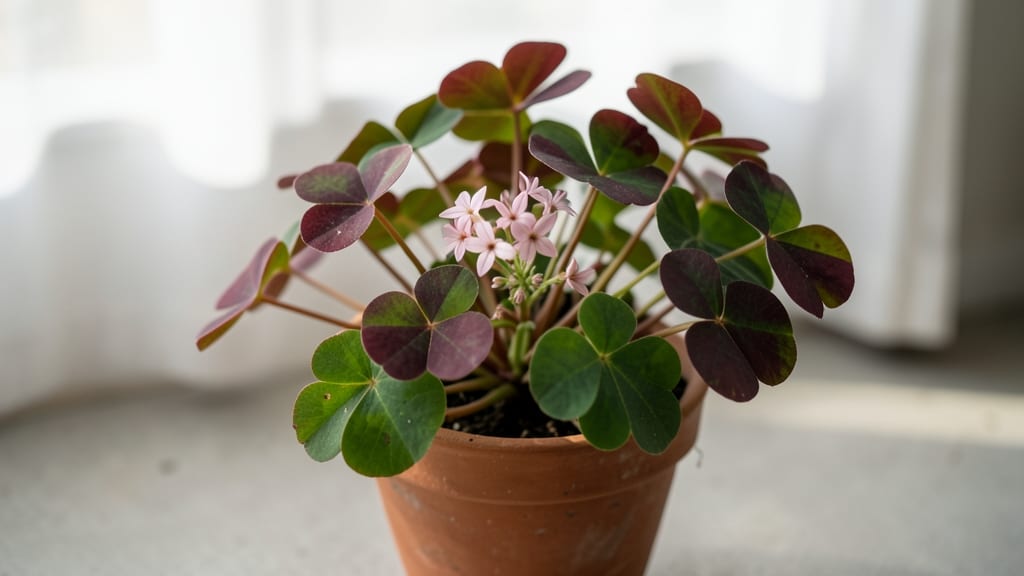
Growing an indoor shamrock plant means bringing a little Irish charm into your home year-round—without the fuss. 🌿 My first attempt nearly died from overwatering, but once I learned the simple care tricks, it’s been thriving for over two years.
These plants aren’t just for St. Patrick’s Day; they’re low-maintenance, fast-growing, and perfect for brightening up windowsills or shelves.
The secret to keeping it lush lies in bright, indirect light—think east-facing windows or a few feet from a south window. Water only when the top inch of soil feels dry, and use a well-draining potting mix to avoid soggy roots.
Most people kill them by drowning, so let the soil dry out between waterings. A humid spot (like a bathroom or kitchen) helps too, but they’re forgiving if you forget occasionally.
By pruning back leggy stems and pinching off flowers, you’ll encourage bushier growth and more of those lucky-looking leaves. Propagating is easy too—just snip a stem with a few leaves, dip it in water, and watch new plants form in a few weeks.
The best part? They’re non-toxic to pets, so you can enjoy their charm without worry.
Whether you’re a beginner or just want a foolproof houseplant, shamrocks deliver. They’ll reward you with vibrant foliage, occasional tiny white flowers, and that satisfying feeling of growing something truly green—even in winter. Ready to give it a try?
📚 In This Guide
- What you need
- Instructions
- Tips and common mistakes
- Wrapping up and next steps
What you need
- ● Shamrock plant: Choose a healthy Oxalis triangularis (purple shamrock) or Trifolium repens (clover) from a nursery or online store. (1-2 plants recommended for beginners!)
- ● 6-inch pots: 2-3 terracotta or ceramic pots with drainage holes (1 per plant + extras for propagation).
- ● Well-draining potting mix: A blend of peat moss, perlite, and coconut coir (or pre-mixed cactus/succulent soil). (1 bag covers 2-3 pots.)
- ● Drainage tray or saucer: To catch excess water and prevent root rot.
- ● Watering can with a narrow spout: For precise hydration.
- ● Humidity tray: A shallow tray filled with pebbles and water to boost moisture (great for Oxalis!).
- ● Grow lights: LED or fluorescent bulbs (12-14 hours/day) if natural light is limited.
- ● Pruning shears: Small, sharp scissors for trimming leggy stems.
- ● Fertilizer: Balanced liquid fertilizer (10-10-10 or 20-20-20) (diluted to half-strength).
- ○ Mulch or decorative stones: For a polished look (optional but fun!).
Step-by-step instructions for growing a thriving indoor shamrock plant
Here's the simple method I've used to keep shamrocks lush and vibrant indoors for years.
🪴 Step 1: Select the Right Container and Soil
Start with a 6-inch pot that has drainage holes—shamrocks hate soggy roots. I like terracotta because it breathes and helps prevent overwatering. Fill the pot with a well-draining potting mix designed for houseplants. Add a handful of perlite or orchid bark to improve drainage if your mix feels too dense.
Shamrocks prefer slightly acidic soil, so if you're mixing your own, combine equal parts potting soil, peat moss, and perlite. Press the mix gently into the pot to remove air pockets but don't compact it too tightly. The soil should feel like a damp sponge—light enough for roots to grow through easily but still hold moisture.
🌱 Step 2: Plant Your Shamrock and Position for Success
Gently remove your shamrock from its nursery pot and loosen the roots if they're tightly bound. Place the plant in the center of your prepared pot, making sure the top of the root ball sits ½ inch below the pot's rim. This gives you room to water without spilling.
Fill the remaining space with your potting mix, pressing lightly as you go. Water thoroughly until water runs out the drainage holes—this helps settle the soil and removes air pockets. Then, place your shamrock in bright, indirect light. A spot near an east or north-facing window works best, as direct sun can scorch the delicate leaves.
💧 Step 3: Master the Watering Routine
Shamrocks like their soil consistently moist but never waterlogged. I check the top 1 inch of soil every 5-7 days—if it feels dry to the touch, it's time to water. Stick your finger in the soil up to your first knuckle to test. Water until you see moisture seep from the drainage holes, then empty the saucer to prevent root rot.
Here's the thing—shamrocks are forgiving, but they won't tolerate sitting in water. If the saucer stays wet for more than an hour after watering, your pot needs better drainage or you're overwatering. Mist the leaves occasionally to increase humidity, especially if your home feels dry from heating or air conditioning.
☀️ Step 4: Keep Leaves Happy with Light and Temperature
Your shamrock needs bright, indirect light to thrive. If you notice the leaves turning pale or stretching toward the light, it's time to move it closer to the window—or supplement with a grow light for 12-14 hours daily. I keep mine under a simple LED bulb about 12 inches away for a few hours each day during winter when natural light fades.
Keep temperatures between 60-75°F—this plant isn't fussy, but it won't tolerate drafts or sudden temperature swings. A cool spot at night is fine, but avoid placing it near heat vents or cold windows. Wipe the leaves with a damp cloth every few weeks to remove dust, which helps them absorb light more efficiently.
✂️ Step 5: Encourage Bushy Growth with Pruning
Pinch back the tips of new growth when you see 4-5 sets of leaves to encourage bushier growth. Use clean scissors or your fingers to snip just above a leaf node. This might seem counterintuitive, but it tells the plant to focus on growing wider instead of just taller.
If your shamrock gets leggy, it's usually a sign of insufficient light. Move it closer to a brighter spot and rotate the pot ¼ turn weekly so all sides get even exposure. You'll see new leaves emerge within 2-3 weeks—that's your signal everything is working. Deadhead any spent flowers by snipping the stem back to the base to keep the plant looking tidy and encourage more blooms.
Tips & tricks for perfect indoor shamrock plant care
Keeping your shamrock thriving indoors isn't rocket science—just a few simple tricks that make all the difference.
Pot and Drainage: That 6-inch pot with drainage holes isn't just a suggestion—it's non-negotiable. I've seen shamrocks suffer from root rot when planted in decorative pots without holes. If you're using a cachepot (a decorative outer pot), make sure the inner pot still has drainage. And here's a pro move: Elevate your pot on a saucer with pebbles and water to create a self-watering system that maintains consistent moisture without drowning roots.
Soil Mix Matters: The slightly acidic soil mix you're making with equal parts potting soil, peat moss, and perlite is perfect—but don't skip the perlite! It's what prevents that dreaded compacted soil feeling. For an extra boost, I add a handful of worm castings to the mix. The worms' digestive process creates nutrients your shamrock will love, and it smells amazing too. Think of it as plant fertilizer with a side of earthy perfume.
Lighting Secrets: That bright, indirect light requirement is crucial, but here's what nobody tells you—your shamrock will actually tell you if it's not getting enough. Watch for leaves that stretch toward the light (called etiolation) or develop pale, almost yellow-green color. If you're supplementing with a grow light, position it about 12 inches away and keep it on for 12-14 hours daily. I use a simple LED bulb on a timer so I don't have to remember to turn it on and off every day.
Watering Wisdom: The finger test for that top 1 inch of soil is brilliant, but here's how I take it further: I water when the soil feels like a slightly dry sponge—not bone dry, not still damp. And this might sound obvious, but empty that saucer after watering. I've seen people leave water sitting there for days, thinking the plant is fine, while the roots are actually suffocating. A dry saucer is your shamrock's best friend.
Pro Tips for Indoor Shamrock Plant
- Keeping your shamrock thriving indoors isn't rocket science—just a few simple tricks that make all the difference.
- Pot and Drainage: That 6-inch pot with drainage holes isn't just a suggestion—it's non-negotiable. I've seen shamrock...
- Soil Mix Matters: The slightly acidic soil mix you're making with equal parts potting soil, peat moss, and perlite is...
Frequently asked questions
How often should I water my indoor shamrock plant?
Water your shamrock plant when the top inch of soil feels dry to the touch. Typically, this means watering every 7–10 days, but adjust based on humidity and light levels. Overwatering is the #1 killer—always use a pot with drainage holes to prevent root rot. Pro tip: Stick your finger in the soil to check moisture instead of guessing!
Can I grow an indoor shamrock plant from a clover I find outside?
Yes, but with caution! Only use shamrocks (a specific type of clover, like Trifolium dubium) and avoid wild varieties that may be toxic or invasive. Clean the clover thoroughly, trim the stem, and place it in water or moist soil. Success rates vary—patience is key! Warning: Never use clovers from chemically treated lawns.
What’s the best light for an indoor shamrock plant?
Shamrocks thrive in bright, indirect light—think east or north-facing windows. Avoid harsh direct sun, which can scorch leaves. If your space is low-light, supplement with a grow light 10–12 inches away for 6–8 hours daily. Pro tip: Rotate the pot weekly for even growth!
Why are my shamrock plant’s leaves turning yellow?
Yellow leaves usually signal overwatering, nutrient deficiency, or poor drainage. Check the roots—if they’re mushy, reduce watering. If the soil is dry, it might need fertilizer (use a balanced liquid feed every 4–6 weeks). Fix it: Trim yellowed leaves and repot if the soil is compacted.
Are there shamrock plant alternatives for indoor growing?
If shamrocks prove tricky, try these luck-bringing indoor plants:
- Lucky Bamboo (Dracaena sanderiana) – Symbolizes prosperity and grows in water.
- Money Tree (Pachira aquatica) – Five leaves = good fortune!
- Peace Lily (Spathiphyllum) – Thrives in low light and blooms white “luck” flowers.
- Four-Leaf Clover (Oxalis) – A hardy houseplant that sometimes produces four-leafers!
Each offers charm and resilience for indoor spaces!
Wrapping up and next steps
Growing an indoor shamrock plant is your ticket to year-round luck—and it’s easier than you think! With the right light, soil, and a little love, you’ll enjoy vibrant foliage that brings charm and energy to your space.
Whether you’re a plant newbie or a seasoned green thumb, this little charmer thrives with minimal fuss.
Ready to unlock that four-leafed magic? Start by picking your favorite variety, gathering your supplies, and giving it a cozy spot near a sunny window. Watch it flourish, and soon, you’ll be sharing the joy (and maybe a few lucky charms!) with friends. Happy growing! 🍀✨