
Container Gardens
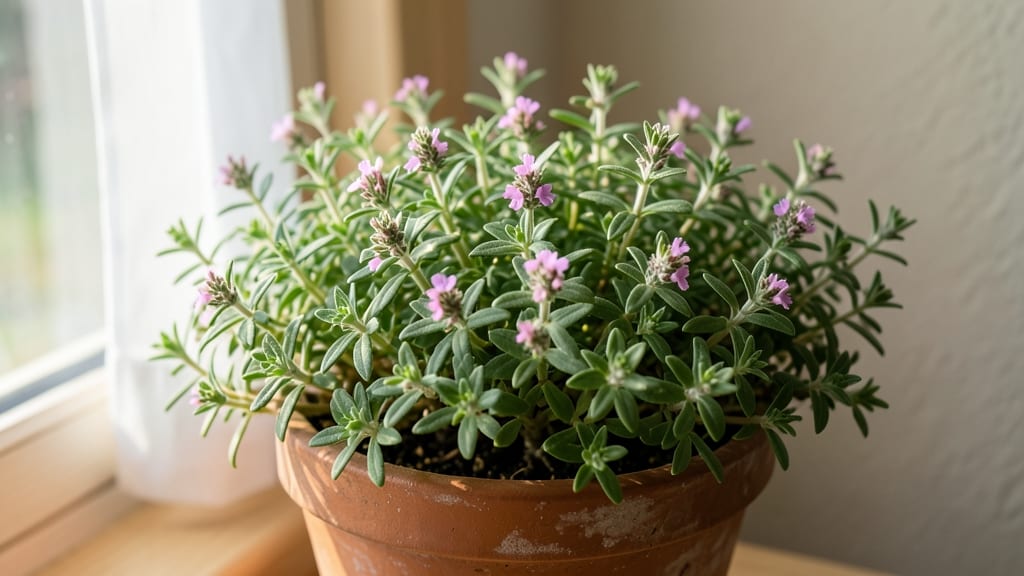
Growing the thyme indoor plant means fresh, fragrant herbs on your windowsill year-round—no garden required. 🌿 I’ve turned my kitchen into a mini herb garden, and this hardy perennial thrives with just a sunny spot and minimal care.
The secret lies in mimicking its Mediterranean roots: bright light, well-draining soil, and occasional pruning to keep it bushy.
Start with a small pot (6 inches works perfectly) and a mix of potting soil and perlite for drainage. Thyme hates soggy roots, so water only when the top inch feels dry—overwatering is the fastest way to kill it.
Place it near a south- or west-facing window where it gets at least 6 hours of sunlight daily, or supplement with a grow light if natural light is scarce.
Within weeks, you’ll smell that earthy, piney aroma when you brush past it, and by harvest time (about 3 months in), you’ll have enough sprigs for cooking, teas, or homemade potpourri. The best part? It’s nearly indestructible—even my black thumb can’t kill this one.
For small spaces, try a hanging planter or stackable pots to save room. If leaves yellow or stems stretch too tall, it’s begging for more light. Prune regularly to encourage dense growth, and enjoy the satisfaction of a thriving herb that’s always within arm’s reach.
📚 In This Guide
- What you need
- Instructions
- Tips and common mistakes
- Wrapping up and next steps
What you need
- ● Thyme plant: 1 live thyme plant (preferably Thymus vulgaris or lemon thyme for indoor growing)
- ○ Optional: Seeds (if starting from scratch—requires patience and extra care!)
- ● Container: 1–2 small pots (4–6 inches in diameter) with drainage holes
- ○ Optional: Decorative cachepot (for a polished look—ensure it doesn’t trap excess moisture)
- ● Potting mix: 1 bag of well-draining cactus or succulent mix (or regular potting soil amended with perlite/vermiculite)
- ● Quantity: Enough to fill the pot(s) 2/3 full
- ● Drainage: 1–2 inches of gravel, pebbles, or ceramic pot shards (for the bottom of the pot)
- ● Basic tools: 1 pair of clean pruning shears or scissors
- ● 1 small trowel or spoon (for repotting)
- ● 1 spray bottle (for misting, if humidity is low)
- ● Lighting: Access to bright, indirect sunlight (south- or west-facing window ideal)
- ○ Optional: Grow lights (LED or fluorescent, 12–16 hours/day if natural light is insufficient)
- ● Watering: Water (room temperature, filtered if possible)
- ○ Optional: Moisture meter (to avoid over/under-watering)
- ○ Fertilizer: Optional: Balanced liquid fertilizer (diluted to half-strength, e.g., 10-10-10)
- ○ Optional: Organic options like fish emulsion or compost tea
Step-by-Step instructions for growing thyme indoors
Here's how to cultivate fragrant thyme year-round right from your kitchen windowsill.
🪴 Step 1: Choose the Right Container and Soil
Start with a 6-inch diameter pot that has drainage holes—thyme hates soggy roots. I like terracotta because it breathes and prevents moisture buildup. Fill the pot with a mix of 2 parts potting soil and 1 part perlite to improve drainage. The soil should feel light and fluffy when squeezed, like a damp sponge.
Thyme thrives in well-draining soil, so avoid garden soil or heavy mixes. If your soil compacts easily, add a handful of coarse sand to the mix. The pot should have at least one drainage hole—if yours doesn’t, drill one near the bottom to prevent root rot.
🌱 Step 2: Plant Your Thyme Starter
Gently remove your thyme starter from its nursery pot and loosen the roots if they’re tightly bound. Place it in the center of your prepared pot, ensuring the top of the root ball sits ½ inch below the rim. This gives you room to water without spilling soil.
Fill the remaining space with your soil mix, pressing lightly around the base to secure the plant. Don’t pack it down too firmly—thyme roots need air to grow strong. Water lightly until the soil feels evenly moist, but not saturated. You’ll know it’s right when water runs out the drainage hole without pooling.
☀️ Step 3: Position for Bright, Indirect Light
Thyme needs 4-6 hours of bright, indirect sunlight daily—a south- or west-facing windowsill works best. If your windowsill gets harsh afternoon sun, place the plant 2 feet back to avoid leaf scorch. You’ll notice the leaves turning pale or crispy if it’s too intense.
Rotate the pot a quarter turn weekly so the plant grows evenly. Leggy growth or stems leaning toward the light means it needs more brightness. If your space lacks natural light, supplement with a grow light kept 6 inches above the plant for 12-14 hours daily.
💧 Step 4: Water and Maintain Proper Humidity
Water thyme only when the top inch of soil feels dry—overwatering is the fastest way to kill it. Stick your finger in the soil; if it’s damp, wait another day. When you do water, soak the soil until water drains out the bottom, then empty the saucer to prevent root rot.
Thyme prefers moderate humidity, but it’s forgiving. If your home is dry, mist the leaves lightly once a week or place the pot on a tray of pebbles filled with water. The pebbles create a humid microclimate without drowning the roots. Avoid letting the pot sit in standing water—thyme’s roots need air, not soggy conditions.
✂️ Step 5: Prune and Harvest for Bushier Growth
Pinch back the tips of new growth when stems reach 3-4 inches tall to encourage bushier, more fragrant plants. Use clean scissors or fingers to snip just above a set of leaves. This redirects energy to side shoots, giving you a fuller plant.
Harvest thyme by snipping individual sprigs from the outer edges—never take more than ⅓ of the plant at once. Fresh thyme tastes best when harvested just before use. After harvesting, water lightly to help the plant recover. Regular pruning keeps thyme compact and prevents it from becoming woody or leggy.
Tips & tricks for perfect indoor thyme growth
Here's what nobody tells you about keeping thyme thriving indoors—these are the details that make all the difference.
Soil Mix Secret: The 2:1 ratio of potting soil to perlite in Step 1 isn't just random—it mimics thyme's Mediterranean native soil. If you notice water pooling after 10 minutes, add more perlite or coarse sand to improve drainage. I've found that mixing in a handful of orchid bark (about ¼ cup) creates even better airflow for the roots.
Light Positioning: Those 4-6 hours of bright indirect light in Step 3 are critical, but location matters just as much. Place your thyme near a window with sheer curtains or use a sheer curtain to diffuse harsh afternoon sun. If your windowsill gets less than 4 hours of light, supplement with a grow light as mentioned—but position it just 4 inches above the plant for the most efficient light exposure.
Watering Wisdom: The "top inch dry" rule in Step 4 is perfect, but here's the trick: use your finger to check soil moisture in the middle of the pot, not just the surface. Thyme roots absorb water from all directions, so surface moisture can be misleading. I've ruined plants by overwatering because I only checked the top layer. Also, always empty the saucer after watering—even for 10 minutes—to prevent root rot.
Pruning Payoff: When you pinch back those 3-4 inch stems in Step 5, you're not just shaping the plant—you're encouraging new growth that's more aromatic. The key is to always cut just above a leaf node (where leaves meet the stem). This is where new shoots will emerge. I prune mine every 6 weeks, and the flavor becomes noticeably stronger each time.
Pro Tips for Thyme Indoor Plant
- Here's what nobody tells you about keeping thyme thriving indoors—these are the details that make all the difference.
- Soil Mix Secret: The 2:1 ratio of potting soil to perlite in Step 1 isn't just random—it mimics thyme's Mediterranean native soil.
- Light Positioning: Those 4-6 hours of bright indirect light in Step 3 are critical, but location matters just as much.
Frequently asked questions
Got questions about growing thyme indoors? You’re not alone! Here are answers to the most common queries to help your fragrant herb thrive year-round.
How often should I water my indoor thyme plant?
Thyme is drought-tolerant, so water only when the top 1–2 inches of soil feel dry—usually every 1–2 weeks. Overwatering is the #1 killer of indoor thyme! Use a well-draining pot and ensure excess water drains away to prevent root rot.
How long does it take for indoor thyme to grow enough to harvest?
With proper care, you can start harvesting sprigs in 4–6 weeks from planting (or 6–8 weeks from seeding). Pinch back new growth regularly to encourage bushiness and a steady supply of tender leaves. Patience pays off—your first harvest will be worth it!
Can I grow thyme indoors without a sunny window?
Thyme loves sunlight, but if your space lacks it, supplement with a grow light (12–16 hours/day). Place the plant 6–12 inches from the bulb for best results. South-facing windows are ideal, but east or west exposure works too—just rotate the pot occasionally for even growth.
Why is my indoor thyme turning yellow or wilted?
Yellow leaves often signal overwatering, while wilting can mean underwatering or poor drainage. Check the soil moisture and ensure your pot has drainage holes. If pests (like spider mites) are the culprit, wipe leaves with soapy water or spray with neem oil. Adjust care and monitor closely!
What’s the best alternative if thyme doesn’t thrive indoors?
If thyme struggles in your space, try oregano, rosemary, or basil—they’re also easy indoor herbs! Oregano and rosemary tolerate similar conditions, while basil thrives in warmer, humid environments. Experiment to find your perfect kitchen companion!
Wrapping up and next steps
Growing thyme indoors is a rewarding journey that brings fresh, fragrant herbs right to your kitchen windowsill! 🌿 With just a few simple steps—bright light, well-draining soil, and occasional pruning—you’ll enjoy a thriving plant year-round.
Whether you’re a beginner or a seasoned gardener, this easy-to-grow herb adds flavor and charm to your home.
Ready to take the next step? Start with a cutting or seed today, and soon you’ll be harvesting thyme for homemade soups, roasts, or teas. Happy gardening! 🌱