
Container Gardens
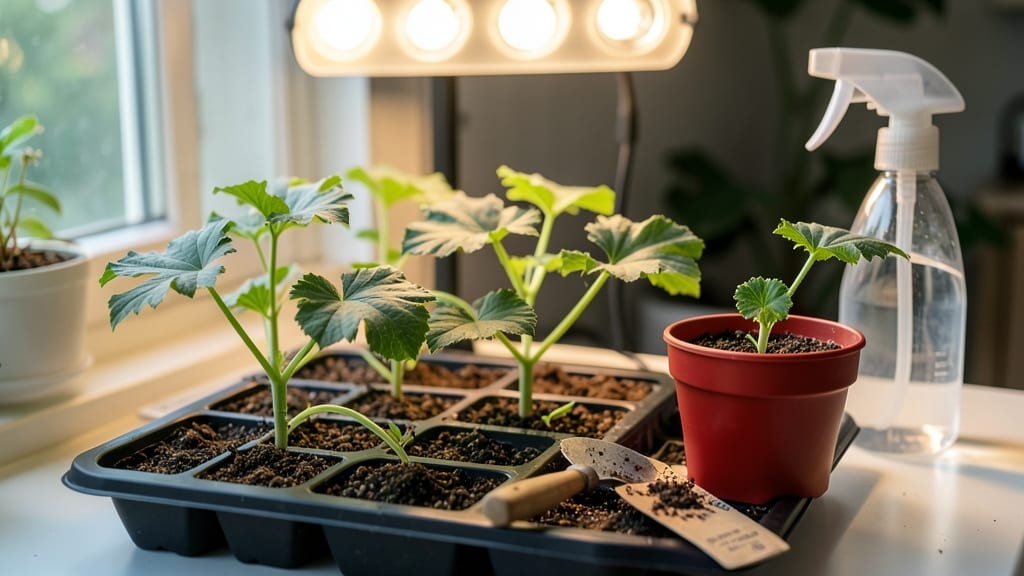
Starting zucchini seeds indoors with heat mats and clear covers cuts your growing season in half. 🌱 I’ve turned my basement into a summer garden factory this way—plump, ready-to-transplant seedlings by May, not July. The secret? Mimicking the warm, humid conditions zucchini love before they even see sunlight.
You’ll need just 5 supplies: heat mats (or a warm windowsill), clear plastic domes or plastic wrap, seed-starting mix, small pots, and a spray bottle. Zucchini seeds sprout best at 85-90°F, so those heat mats are non-negotiable—without them, germination takes forever or fails entirely.
I’ve timed my starts for 6-8 weeks before last frost, and my seedlings hit the garden stocky and ready, not leggy and weak.
By week 3, you’ll have 2-inch seedlings with true leaves, their first real test of strength. The clear covers keep humidity high (like a tropical greenhouse), while the heat mats ensure roots grow fast.
Transplant when soil temps hit 60°F, and watch those vines take off—no more waiting for store-bought plants that bolt in heat.
Common mistakes? Overwatering (drowns seeds) or skipping the heat (slow starts). My first batch flopped when I used regular potting soil—seed-starting mix is lighter and drains better. Pro tip: Rotate trays daily for even light exposure, or you’ll end up with stretched-out seedlings reaching for the sun.
📚 In This Guide
- What you need
- Instructions
- Tips and common mistakes
- Wrapping up and next steps
What you need
- ● Zucchini seeds: 3–5 seeds per container (choose heirloom or hybrid varieties like 'Black Beauty' or 'Gold Rush').
- ● Seed-starting containers: 4–6" deep pots (biodegradable or plastic) or
- ● A seed tray with individual cells (2–3" deep).
- ● Seed-starting mix: Lightweight, sterile mix (avoid garden soil—it’s too dense!). Aim for 2–3 quarts per container.
- ○ Heat mat (optional but recommended): A 70–80°F heat mat to speed up germination (12"x24" size works for most setups).
- ● Clear plastic dome or cover: A humidity lid, plastic wrap, or clear plastic bag to retain moisture.
- ● Grow lights or sunny windowsill: Zucchini seeds need 12–16 hours of light daily. A full-spectrum LED grow light (12–24") is ideal if natural light is limited.
- ● Misting bottle or spray nozzle: For gentle watering (avoid soaking the soil!).
- ○ Fertilizer (optional but helpful): A balanced, water-soluble fertilizer (5-5-5 or 10-10-10) diluted to half-strength for seedlings.
- ● pH test kit: Ensure your soil mix is 6.0–6.8 pH (zucchini loves slightly acidic soil!).
- ● Thermometer: Monitor soil temperature (ideal germination range: 70–90°F).
- ● Fungicide (like neem oil or hydrogen peroxide): Prevents damping-off disease in humid conditions.
- ● Plant labels: Mark containers with seed variety and planting date!
- ● Tray or saucer: Place under containers to catch excess water.
Step-by-step instructions for starting zucchini seeds indoors
Here's how I get zucchini seedlings up and strong in under two weeks—using heat and humidity to outpace common germination delays.
🌱 Step 1: Prepare Containers and Seed Starting Mix
Fill clean 2-3 inch deep containers with a sterile seed-starting mix—never garden soil, which can harbor fungal diseases. I like to use biodegradable peat pots because they eliminate transplant shock when it's time to move seedlings outdoors. Moisten the mix until it holds together when squeezed but doesn't form a tight clump.
Press the soil down lightly with your fingers to create a firm surface. This prevents seeds from sinking too deep during watering, which can delay germination. Tap the container gently on the table once or twice to settle everything evenly. The goal is a surface that's firm enough to hold seeds in place but still loose enough for roots to penetrate.
🌱 Step 2: Sow Seeds at Optimal Depth and Temperature
Plant 2-3 seeds per pot at a depth of about 1 inch—this is crucial for zucchini, which have large seeds that need plenty of energy to reach the surface. I use a toothpick to create small holes, then drop the seeds in one at a time. Cover them with a thin layer of additional mix, just enough to hide them completely.
Zucchini seeds germinate fastest at 75-85°F, so place the containers on a seedling heat mat immediately after sowing. The heat mat keeps the soil consistently warm, which speeds up germination from 7-10 days to just 5-7 days. Cover the containers with a clear plastic dome or plastic wrap to trap warmth and humidity—this is the secret to that "fast start" you're after.
💧 Step 3: Maintain Moisture and Light Without Overwatering
Check the soil daily but resist the urge to water—condensation inside the dome creates enough moisture for germination. You'll know it's time to water when the soil surface feels dry to the touch, usually around 3-4 days after sowing. Water gently from the bottom by placing the container in a shallow tray of water for 10-15 minutes—this prevents disturbing the seeds.
Once seedlings emerge, remove the dome immediately to prevent damping-off disease. Place the containers under a grow light positioned 2-4 inches above the plants for 14-16 hours daily. Without sufficient light, seedlings grow leggy and weak. You'll see strong seedlings with thick stems and dark green leaves—these are ready for their next growth phase.
✂️ Step 4: Thin Seedlings and Harden Off Before Transplanting
When seedlings reach 2-3 inches tall and have 2-3 true leaves, thin to the strongest plant per pot by snipping the weaker stems at the base with clean scissors. This prevents competition for nutrients and gives your zucchini room to grow. I always save the thinned seedlings to transplant alongside the strongest one—it's like getting a free backup.
Two weeks before your last frost date, start hardening off the seedlings by placing them outside in a sheltered, shaded spot for 1-2 hours the first day. Gradually increase outdoor time by 1 hour daily over 10-14 days, slowly introducing more sun and wind. You'll know they're ready for the garden when they tolerate a full day outside without wilting. Transplant on an overcast afternoon to reduce transplant shock and water deeply at the base.
Tips & tricks for starting zucchini seeds indoors
Here's what nobody tells you about speeding up germination and avoiding common pitfalls with zucchini seeds.
Heat Mat Placement: Position your seedling heat mat directly under the containers, not on the side. The warmth needs to radiate upward through the bottom of the pots to maintain that 75-85°F range consistently. I've found that placing a small fan nearby on low speed actually improves germination by creating gentle air circulation—just keep it far enough away to avoid drying out the soil surface. This mimics natural conditions while preventing condensation buildup that can lead to fungal issues.
Seed Depth Secret: The 1-inch depth is non-negotiable for zucchini seeds, but here's the trick: use a toothpick to create a hole just slightly deeper than the seed's diameter, then drop it in. Press the surrounding soil gently but firmly to eliminate air pockets. This ensures the seed stays in place while allowing roots to penetrate downward immediately. I've seen seeds float upward during watering when planted too loosely, which completely derails germination timing.
Light Positioning: When setting up your grow light at 2-4 inches above seedlings, position it slightly off-center so all seedlings get equal exposure. I rotate my trays 180 degrees daily to prevent uneven growth toward the light source. Watch for the first true leaves—these should be dark green and firm, not pale or yellowing. If you notice seedlings stretching excessively (a sign of insufficient light), lower the light by an inch and extend the daily exposure to 16 hours temporarily. This legginess is your plant's desperate attempt to reach light, and it's easily corrected with proper positioning.
Harden Off Gradually: The 10-14 day hardening process is where most beginners rush and end up with shocked seedlings. Start with just 1-2 hours in partial shade, then increase by 1 hour daily. I've found that placing seedlings in a sheltered spot near a south-facing wall works well—this gives them indirect sunlight while still protecting them from harsh winds. The key is to mimic outdoor conditions slowly; sudden exposure can cause leaves to wilt or develop sunburn spots that never fully recover.
Pro Tips for Starting Zucchini Seeds Indoors
- Here's what nobody tells you about speeding up germination and avoiding common pitfalls with zucchini seeds.
- Heat Mat Placement: Position your seedling heat mat directly under the containers, not on the side.
- Seed Depth Secret: The 1-inch depth is non-negotiable for zucchini seeds, but here's the trick: use a toothpick to create a hole just slightly deeper than the seed's diameter, then drop it in.
Frequently asked questions
Got questions about starting zucchini seeds indoors?
Here are answers to the most common ones—so you can grow like a pro!
When is the best time to start zucchini seeds indoors?
Start seeds 4–6 weeks before your last frost date. Zucchini grows fast (50–70 days to harvest), so don’t rush—wait until soil temps are at least 60°F (15°C) before transplanting outdoors. Check your local frost dates for precision!
Do I really need a heat mat for zucchini seeds?
Not required, but highly recommended! Zucchini seeds germinate best at 75–85°F (24–29°C). A heat mat speeds up germination (5–7 days vs. 2+ weeks without). If you skip it, keep seeds in a warm, sunny spot (like near a fridge or under a grow light).
What if my zucchini seedlings look leggy or weak?
Leggy seedlings mean too little light. Move them 2–3 inches from a grow light (14–16 hours/day) or place them in the sunniest window. Avoid overcrowding—thin to 1 seedling per cell once sprouts appear. No light? Try a _DIY_ solution: prop up seedlings with chopsticks to stretch toward a window.
Can I start zucchini seeds without clear covers or domes?
Yes, but humidity is key! Without covers, mist seeds daily or use a spray bottle to keep soil moist. Place a plastic bag loosely over the tray (remove once sprouts appear) to trap humidity. Just ensure airflow to prevent mold—no soggy seeds!
How do I harden off zucchini seedlings before transplanting?
Start 7–10 days before moving outdoors. Gradually expose seedlings to outdoor conditions:
- Day 1–3: Place outside for 1–2 hours in shade.
- Day 4–6: Increase time to 4–6 hours (add direct sun slowly).
- Day 7+: Leave out all day if temps stay above 50°F (10°C).
Wrapping up and next steps
Starting zucchini seeds indoors with heat mats and clear covers is a game-changer for container gardeners! 🌱 With the right setup, you’ll enjoy an early harvest and healthier plants—all while saving space.
Now that you’re armed with the know-how, it’s time to take action: grab those seeds, preheat your mat, and get growing!
Once your seedlings sprout and grow strong, your next step is transplanting them outdoors—just remember to harden them off first. Happy gardening, and may your zucchini bounty be plentiful! 🎉