
Planting
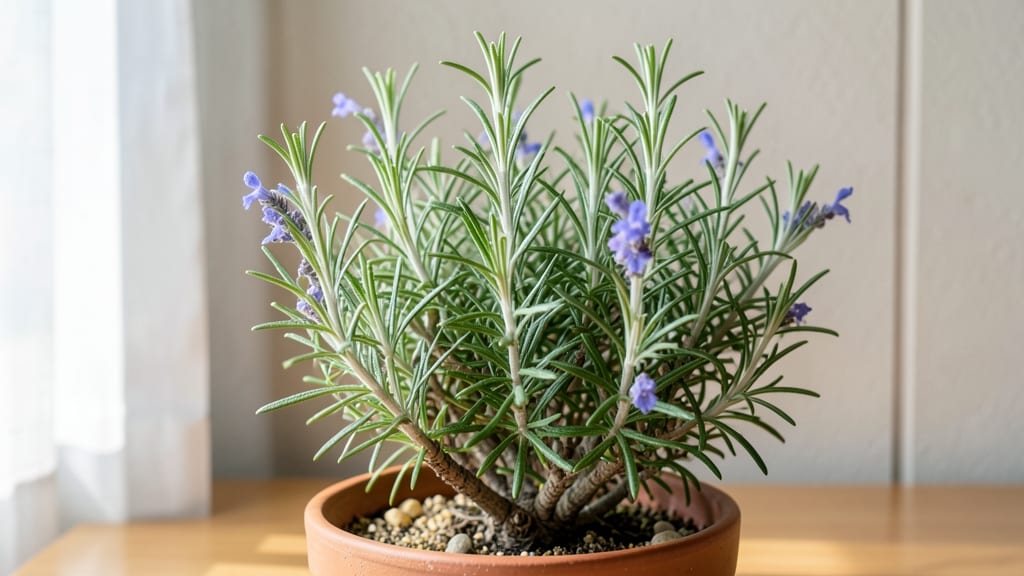
The rosemary plant care indoor thrives when you mimic its Mediterranean roots—bright light, minimal water, and dry air. 🌿 I’ve turned my kitchen windowsill into a fragrant herb garden by following these simple rules that keep my rosemary lush and productive year-round, not just a sad, leggy twig.
The biggest secret? Rosemary hates soggy soil—water only when the top inch is bone-dry, and use a pot with drainage holes.
Place it near a south-facing window (or under a grow light for 6+ hours daily), and watch it reward you with needle-like leaves that smell like a summer picnic. Overwatering is the #1 killer, so I’ve learned to check soil moisture before reaching for the watering can.
Prune lightly after flowering to encourage bushier growth, and pinch back leggy stems to keep it compact. The flavor? Bold and piney, just like fresh-picked rosemary—nothing like the wilted grocery store version. With these tweaks, my indoor rosemary stays vibrant for months, not weeks.
Works for any sunny spot in your home, from kitchens to sunrooms. The key is patience—rosemary grows slowly but pays off with endless culinary possibilities. Let’s get yours thriving!
📚 In This Guide
- What you need
- Instructions
- Tips and common mistakes
- Wrapping up and next steps
What you need
- ● Rosemary plant: 1 healthy cutting (4–6 inches long) or a potted plant (ensure it’s labeled as Rosmarinus officinalis).
- ● Well-draining potting mix: 2–3 gallons of a blend designed for herbs or succulents (e.g., 50% cactus/succulent mix + 50% perlite or coarse sand).
- ● Container: 1 pot with drainage holes (minimum 6–8 inches in diameter; terracotta or ceramic works best).
- ● Watering can: 1 with a narrow spout for precise watering.
- ● Pruning shears: 1 pair (sterilized with rubbing alcohol).
- ○ Rooting hormone (optional): A small bottle to boost root growth for cuttings.
- ● Spray bottle: 1 for misting (helps with humidity).
- ○ Grow lights (optional): 1–2 LED full-spectrum bulbs (6,000–7,000K) if natural light is limited.
- ○ Humidity tray (optional): 1 shallow tray with pebbles for extra moisture.
- ○ Fertilizer (optional): 1 balanced liquid fertilizer (5-5-5 or organic fish emulsion, diluted to half-strength).
Step-by-step indoor rosemary care for a lush, fragrant plant
Here’s my go-to method for keeping rosemary thriving indoors—no guesswork, just consistent results.
🪴 Step 1: Pick the Right Spot for Light and Airflow
Rosemary needs bright, direct light for at least 6 hours daily—a south-facing window is ideal. If your space lacks natural light, supplement with a grow light positioned 4-6 inches above the plant for 12-14 hours daily. You’ll know the light is right when the leaves stay deep green (not yellowing) and the stems grow upright.
Place your rosemary near an open window or door to ensure good airflow—this prevents fungal issues and keeps the foliage fresh. Avoid drafty spots, though; sudden temperature swings stress the plant. A 65-75°F range is perfect for steady growth.
💧 Step 2: Water Only When the Soil is Truly Dry
Overwatering is rosemary’s biggest enemy—it’s drought-tolerant and hates soggy roots. Stick your finger 1-2 inches into the soil; if it feels dry, water thoroughly until water drains from the bottom. Let excess water run out completely to prevent root rot. I water mine every 7-10 days, but adjust based on your home’s humidity and pot size.
Use room-temperature water to avoid shocking the roots. If the soil stays damp for more than a few days, reduce watering. You’ll notice healthy rosemary has crisp, fragrant leaves—wilting or yellowing signals it’s time to cut back on water.
☀️ Step 3: Prune for Shape and Encourage Bushier Growth
Trim your rosemary every 4-6 weeks to encourage a fuller shape. Use clean sharp scissors to snip just above a leaf node (where leaves meet the stem). This prevents leggy growth and keeps the plant compact. Harvest sprigs for cooking—this stimulates new growth and keeps the plant productive.
Remove any yellow or brown leaves immediately—they drain energy and attract pests. If your rosemary grows too tall, cut it back by one-third in early spring to promote bushier regrowth. Pruning also improves airflow, reducing the risk of mold.
🌱 Step 4: Monitor Humidity and Dust the Leaves
Rosemary thrives in moderate humidity (40-50% is ideal). If your home is dry, place the pot on a pebble tray with water or use a small humidifier nearby. Avoid misting the leaves—this can cause fungal issues. You’ll know humidity is right when the leaves stay plump and vibrant without curling.
Dust the leaves monthly with a soft brush or damp cloth—rosemary’s needle-like foliage collects dust easily, which blocks light absorption. Wipe gently to avoid damaging the stems. A quick dusting also helps you spot early signs of pests like spider mites.
⏰ Step 5: Repot Only When Absolutely Necessary
Rosemary prefers root-bound conditions, so repot only if the roots circle the pot or growth slows dramatically. Choose a container just 1-2 inches larger than the current one—too much space encourages overwatering. Use a well-draining potting mix (cactus or succulent mix works well) to prevent soggy soil.
Repot in early spring before active growth begins. Gently loosen the roots and trim any that look mushy or diseased. Water lightly after repotting and place the plant back in its bright spot. Over-potting stresses rosemary, so only upgrade containers every 2-3 years unless the plant clearly outgrows its home.
Tips & tricks for perfect indoor rosemary care
Took me a while to figure these out, so here goes—rosemary thrives when you nail these key details.
Lighting Secret: If your south-facing window isn't enough, invest in a full-spectrum LED grow light—they're more efficient than traditional bulbs. Position it 4-6 inches above the plant and use a timer for those 12-14 hours daily to mimic natural daylight cycles. I've seen rosemary grow twice as fast with consistent grow light exposure compared to just natural light alone.
Watering Wisdom: The 1-2 inch soil check is crucial, but don't just rely on your finger—lift the pot to feel its weight. A dry pot signals it's time to water, while a heavy one means wait another day. I've ruined rosemary by overwatering after feeling "dry" soil that was just at the surface. Always check deeper!
Pruning Pro Tip: When you're trimming every 4-6 weeks, save those sprigs for cooking! Fresh rosemary from your plant tastes infinitely better than store-bought. I make it a habit to harvest just before cooking—this encourages new growth and keeps your plant productive. The one-third spring trim is especially important if your rosemary gets leggy during winter months.
Humidity Hack: For that perfect 40-50% humidity, place your rosemary pot on a tray filled with pebbles and water—just make sure the pot isn't sitting directly in water. I've found this method works better than misting, which can actually promote fungal growth. The pebble tray adds moisture to the air without wetting the leaves, creating an ideal microclimate for your rosemary.
Pro Tips for Rosemary Plant Care Indoor
- Took me a while to figure these out, so here goes—rosemary thrives when you nail these key details.
- Lighting Secret: If your south-facing window isn't enough, invest in a full-spectrum LED grow light—they're more effi...
- Watering Wisdom: The 1-2 inch soil check is crucial, but don't just rely on your finger—lift the pot to feel its weig...
Frequently asked questions
Got questions about keeping your rosemary thriving indoors? You’re not alone! Here are answers to the most common concerns—from pruning to pests—so you can grow lush, fragrant rosemary with confidence.
How often should I water my indoor rosemary?
Water your rosemary only when the top 1–2 inches of soil are completely dry. Overwatering is the #1 killer—stick to every 1–2 weeks (less in winter). Use well-draining soil and a pot with drainage holes to prevent root rot. Pro tip: Let excess water drain away completely after watering!
When and how should I prune my rosemary?
Prune in early spring or after flowering to encourage bushier growth. Trim back 1/3 of the plant’s height using clean scissors, focusing on leggy stems. Avoid heavy pruning in winter—rosemary needs energy to survive. Bonus: Use fresh cuttings for propagation or culinary use!
What’s the ideal temperature for indoor rosemary?
Rosemary thrives in 60–75°F (15–24°C) during the day and no lower than 50°F (10°C) at night. Avoid drafts (like AC vents) or sudden temperature drops, which can shock the plant. If your home gets too cold, move it near a sunny window or use a small space heater sparingly.
How do I treat pests on my rosemary?
Check for spider mites or aphids on undersides of leaves. Treat mild infestations by spraying leaves with water or a mix of 1 tsp neem oil + 1 quart water. For severe cases, isolate the plant and repeat every 5–7 days. Prevent pests: Wipe leaves with a damp cloth weekly and avoid overcrowding!
Can I grow rosemary from cuttings?
Take 4–6 inch cuttings from healthy stems, strip lower leaves, and place them in water or moist soil. Keep in bright, indirect light until roots form (2–4 weeks). Once rooted, transplant to a pot with well-draining soil. Pro move: Dip cuttings in rooting hormone for faster success!
Wrapping up and next steps
Caring for an indoor rosemary plant is a rewarding journey that brings fresh herbs and natural beauty to your home! With the right balance of light, water, and humidity, your rosemary will thrive and even reward you with fragrant, flavorful sprigs. 🌿✨
Now that you’re armed with expert tips, take the next step—grab your rosemary, a sunny spot, and a watering can, and watch your little herb garden flourish! Whether you’re a beginner or a seasoned plant parent, your green thumb is about to shine.