
Container Gardens
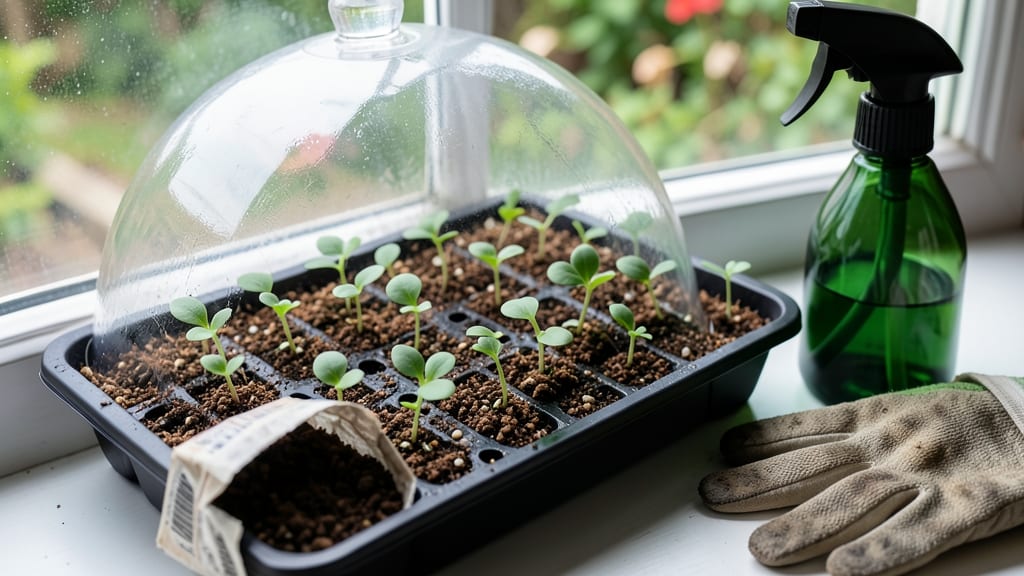
Planting zinnias indoors lets you enjoy their bold colors year-round, even in tiny apartments. 🌻 I've turned my sunroom into a zinnia factory using just a few supplies and a bright windowsill—here's how to do it without the leggy seedlings or moldy soil that ruin so many indoor starts.
You'll need seed-starting mix, small pots, a spray bottle, and a sunny spot (south-facing window or grow light). Zinnias germinate fast—within 7-10 days—but they need consistent warmth and moisture to keep going strong. The key is keeping soil damp (not soggy) and avoiding cold drafts that stall growth.
By the time you're ready to transplant outdoors, your zinnias will be stocky, bushy plants with 3-4 sets of true leaves. They'll bloom nonstop from summer through frost if you deadhead regularly and keep them well-watered. The first flowers arrive in just 6-8 weeks from seed.
Works for any indoor space with decent light, from kitchens to basements with grow lights. The same method applies to other heat-loving annuals like marigolds or cosmos—once you master zinnias, your indoor garden will never look the same.
📚 In This Guide
- What you need
- Instructions
- Tips and common mistakes
- Wrapping up and next steps
What you need
- ● Zinnia seeds: Choose a compact variety like Zinnia elegans (e.g., 'Thumbelina' or 'Benary’s Giant'). Start with 3–5 seeds per container for best results.
- ● Containers: 4–6 inch diameter pots (or larger for multiple plants). Ensure they have drainage holes to prevent root rot.
- ● High-quality potting mix: Use a well-draining, sterile mix (e.g., 50% peat moss, 30% perlite, 20% vermiculite). Avoid garden soil—it’s too dense!
- ● Grow lights or sunny windowsill: Zinnias need 6–8 hours of bright light daily. A full-spectrum LED grow light (12–15 watts per sq. ft.) works if natural light is limited.
- ● Watering can or spray bottle: A gentle spray keeps seeds moist without disturbing them.
- ● Plant labels: Mark containers with seed names and planting dates to track growth.
- ● Seed-starting trays: For organized germination (use biodegradable pots to avoid transplant shock).
- ● Heat mat: Speeds up germination if your home runs cool (70–75°F is ideal).
- ● Fertilizer: A balanced liquid fertilizer (10-10-10) or slow-release granules to boost blooms.
- ● Humidity dome: Retains moisture during germination (remove once sprouts appear).
- ● Support stakes: If growing tall varieties, add bamboo stakes or tomato cages early to prevent flopping.
- ● Pruning shears: For deadheading spent blooms and encouraging more flowers.
Step-by-Step instructions for planting zinnias indoors
Here's how to coax vibrant zinnias from seed indoors—no greenhouse required.
🌱 Step 1: Prepare Seedling Trays and Soil Mix
Fill your 4-inch seedling trays with a light, sterile seed-starting mix—never garden soil, which compacts and suffocates tender roots. I press the mix down gently until it's firm but still crumbly, then moisten it thoroughly with room-temperature water. The goal is evenly damp soil that holds together when squeezed but doesn't drip excess water.
Here's the thing—zinnias germinate best in warm soil. If your home stays below 65°F, place the trays on a seedling heat mat set to 70-75°F. Without warmth, germination can take twice as long. I like to keep the trays covered with a clear plastic dome until I see the first sprouts—this maintains consistent moisture and warmth.
🌱 Step 2: Sow Seeds at the Right Depth
Zinnia seeds are tiny but pack a punch. I use a toothpick to create 1/4-inch-deep holes in the soil, spacing them 1 inch apart in each cell. Drop 2-3 seeds per hole—this gives you backup in case some fail to sprout. Cover them with a thin layer of soil, just enough to hide the seeds completely.
Mist the surface lightly with water until it looks uniformly damp. Don't soak the soil—zinnias hate soggy conditions, and overwatering at this stage can cause damping-off. I tap the tray gently to settle the soil, then return it to the warm spot. You'll see sprouts in 7-14 days, depending on your home's warmth.
☀️ Step 3: Provide Light and Air Circulation
The instant those first green shoots appear, move them under grow lights or to a south-facing window. Zinnias need 14-16 hours of light daily to grow strong and compact. If you're using a grow light, keep it 2-3 inches above the seedlings—too far away, and they'll stretch toward the light.
Once the seedlings have their first true leaves (not the initial cotyledons), remove the plastic dome. This prevents fungal issues and encourages sturdy growth. I like to place a small fan on low setting near the trays—this mimics outdoor wind and strengthens stems. You'll notice the seedlings growing thicker and more upright within a few days.
✂️ Step 4: Thin and Transplant Seedlings
When seedlings reach 2 inches tall and have 2-3 sets of true leaves, it's time to thin. Use scissors to snip the weakest seedling in each cell, leaving the strongest one. This prevents overcrowding and gives the remaining plant room to grow. I transplant the thinned seedlings into 4-inch pots filled with fresh potting mix.
Handle seedlings by their leaves, not the stems—you'll avoid damaging the delicate roots. Water gently after transplanting, and place the pots in a spot with bright, indirect light for a week. This helps them adjust before moving to full sun. Real talk: Zinnias are tough once established, but they hate transplant shock, so take it slow.
🪴 Step 5: Acclimate and Transition Outdoors
About 2 weeks before your last frost date, start hardening off your zinnias. Move them outdoors to a shaded, sheltered spot for 1-2 hours the first day, gradually increasing their time outside by 1 hour daily. This helps them adjust to wind, sun, and temperature fluctuations.
Once they can handle a full day outside without wilting, it's time to plant them in your garden or larger containers. Zinnias thrive in full sun and well-draining soil. I like to plant them in groups of 3-5 for a bold, colorful display. With proper care, you'll see blooms in as little as 6-8 weeks from seed!
Tips & tricks for planting zinnias indoors
These simple strategies will help you avoid common pitfalls and maximize your zinnias' potential from seed to bloom.
Warmth is Non-Negotiable: The 70-75°F soil temperature range in Step 1 is critical for germination. I've seen zinnias take 21 days to sprout when soil was only 60°F—double the expected time. If your home stays below 65°F, invest in a seedling heat mat. Pro tip: Place the heat mat under the entire tray, not just the seeds, for even warmth distribution.
Lighting Secrets: For Step 3, if you're using grow lights, position them 2-3 inches above the seedlings and adjust as they grow—zinnias will stretch dramatically if light is too distant. I rotate my trays daily to prevent uneven growth toward one light source. A south-facing window works, but supplement with a 14-16 hour timer on your grow lights during shorter winter days.
Thinning Technique: When thinning in Step 4, I recommend using clean, sharp scissors dipped in rubbing alcohol between cuts. This prevents spreading disease between cells. The key is to thin at 2 inches tall—any later, and you risk overcrowding that weakens all seedlings. Save the thinned seedlings for compost or transplant them into separate cells if you have extra space.
Hardening Off Strategy: For Step 5, I extend the hardening process by 3-4 days beyond the standard 1-2 hours to 3-4 hours on the final day. This gradual exposure mimics natural conditions and reduces transplant shock. Place seedlings in dappled shade on the last day to simulate early morning sun before their full-sun transition.
Pro Tips for Planting Zinnias Indoors
- These simple strategies will help you avoid common pitfalls and maximize your zinnias' potential from seed to bloom.
- Warmth is Non-Negotiable: The 70-75°F soil temperature range in Step 1 is critical for germination. I've seen zinnias...
- Lighting Secrets: For Step 3, if you're using grow lights, position them 2-3 inches above the seedlings and adjust as...
Frequently asked questions
Can zinnias grow well indoors without direct sunlight?
Zinnias thrive on bright, indirect light—they can survive indoors with 6–8 hours of sunlight daily. Place them near a south- or west-facing window, or supplement with a grow light (12–16 hours/day). Without enough light, stems may stretch (called "legginess"), and blooms will be sparse. Rotate pots weekly for even growth!
How long does it take for indoor zinnias to flower?
Indoor zinnias typically bloom in 8–12 weeks from seed, but this varies by variety. Dwarf types (like 'Thumbelina') may flower faster (6–8 weeks), while taller varieties take longer. Pro tip: Pinch back seedlings when they’re 4–6 inches tall to encourage bushier growth and earlier blooms!
Why are my indoor zinnia leaves turning yellow?
Yellow leaves usually signal overwatering or nutrient deficiencies. Check soil moisture—zinnias prefer it lightly dry between waterings. If roots are soggy, repot in well-draining mix. Yellowing can also mean lack of sunlight or low nitrogen. Try a balanced fertilizer (half-strength) and adjust light exposure.
What’s the best indoor pot size for zinnias?
Start with 4–6 inch pots for seedlings, then upgrade to 8–12 inch containers when roots fill the space. Zinnias have shallow roots, so wide (not deep) pots prevent overcrowding. Add drainage holes to avoid root rot, and use a mix of potting soil + perlite for aeration.
Are there low-maintenance zinnia alternatives for indoors?
Yes! Try these easy-care indoor bloomers:
- Geraniums: Tolerate low light and bloom year-round.
- Calceolarias: Thrives in shade; produces cheerful "slipper" flowers.
- African Violets: Low-light friendly with velvety blooms.
- Begonias: Prefers humidity and indirect light.
Wrapping up and next steps
Growing zinnias indoors is a rewarding way to bring vibrant color and life into your space—no matter how small! With the right containers, lighting, and care, you’ll enjoy cheerful blooms year-round.
Whether you’re a beginner or a seasoned plant parent, these cheerful flowers prove that big beauty fits in tiny spots.
Ready to dive in? Start by gathering your supplies and picking the perfect spot for your zinnias. Then, watch your indoor garden burst into bloom—one sunny day at a time! 🌱✨