
Planting
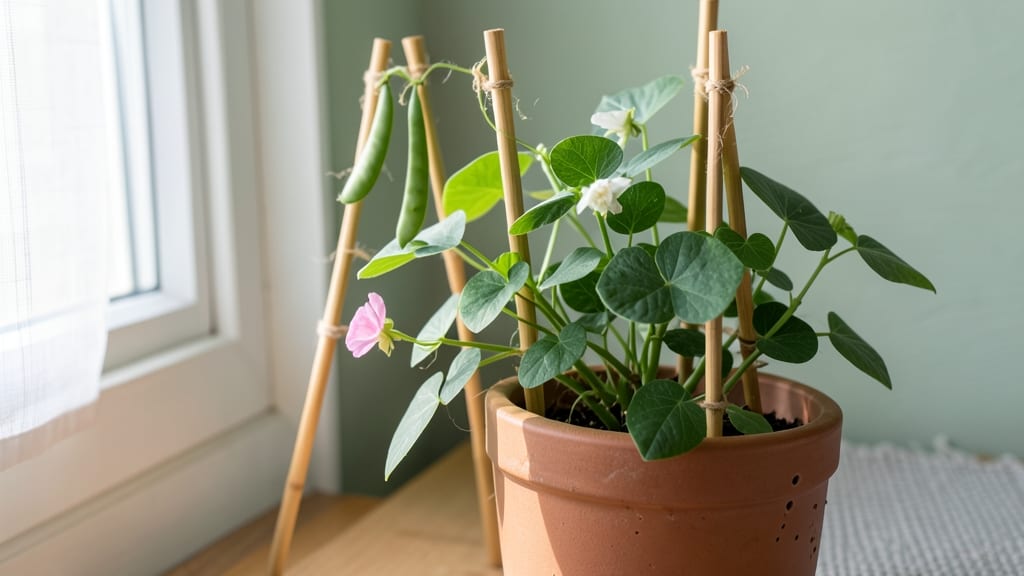
Growing pea plants indoors means fresh, sweet peas year-round—no garden required. 🌱 I’ve grown sugar snaps and snow peas on my windowsill for three winters straight, and the trick isn’t complicated: it’s about light, airflow, and picking the right dwarf varieties.
Most people assume peas need a garden, but with the right setup, you’ll get tender shoots and edible pods in just 6-8 weeks—even in an apartment.
The secret starts with a south-facing window or a grow light, a deep container (at least 12 inches tall), and well-draining soil mixed with compost. Dwarf varieties like ‘Tom Thumb’ or ‘Oregon Sugar Pod’ thrive in small spaces, while bush types like ‘Douce Provence’ produce more with less fuss.
Keep the soil consistently moist but never soggy—peas hate wet feet—and rotate the pot weekly so stems don’t stretch toward one light source.
By early spring, you’ll be harvesting pods straight from the kitchen window, their crisp texture and mild flavor beating anything store-bought. The plants even self-pollinate indoors (no bees needed!), though a gentle shake now and then helps.
Just watch for powdery mildew—open windows on warm days keeps the air moving and prevents fungal issues.
This works for urban balconies, sunrooms, or even basement setups with grow lights. The only real challenge? Peas grow fast, so plan to succession-sow every 2-3 weeks for a continuous harvest.
Trust me, the first time you bite into a pod grown in your own windowsill, you’ll never buy them again.
📚 In This Guide
- What you need
- Instructions
- Tips and common mistakes
- Wrapping up and next steps
What you need
- ● Pea Seeds: Choose a compact, bush-type variety (e.g., Sugar Snap or Mascotte) suited for containers. Aim for 5–10 seeds per pot.
- ● Containers: Use pots with drainage holes, 6–8 inches deep and 12–14 inches wide (1–2 plants per pot). Fabric grow bags or ceramic pots work well.
- ● Potting Mix: A well-draining, nutrient-rich mix (e.g., 60% peat/coir, 30% perlite, 10% compost). Avoid garden soil—it’s too dense!
- ● Support Structure: A 5–6 foot tall trellis, stakes, or mesh cage to encourage vertical growth (peas are climbers!).
- ● Watering Can or Spray Bottle: Peas need consistent moisture—opt for a gentle spray to avoid disturbing soil.
- ● Fertilizer: A balanced, water-soluble fertilizer (e.g., 10-10-10) or organic options like fish emulsion. Dilute to half-strength to avoid burning roots.
- ● Grow Lights: If natural light is less than 6 hours/day, supplement with a full-spectrum LED bulb (12–16 hours of light daily).
- ● Soil Moisture Meter: Peas thrive in consistently moist (not soggy!) soil—this tool takes the guesswork out of watering.
- ● Peat Pellets or Seed Starter Plugs: For faster germination, pre-sprout seeds in peat pellets before transplanting.
- ● Mulch: A light layer of straw or shredded leaves retains moisture and regulates soil temperature.
- ● Pruning Shears: Snip off yellowing leaves or excess pods to redirect energy to growth.
Step-by-step instructions for growing peas indoors
Here's how I've mastered growing sweet, tender peas indoors—no greenhouse needed.
🌱 Step 1: Choose the Right Containers and Soil
Start with 6-inch deep containers since peas need room for their roots to spread. I use a mix of 50% potting soil and 50% compost to give the plants the nutrients they crave. Fill each container to within 1 inch of the rim—peas hate soggy roots, so make sure your pots have drainage holes.
Press the soil down gently to remove air pockets. You want it firm enough to support the plants but still loose enough for roots to grow easily. If you're using a seed-starting mix, add a handful of compost to boost fertility. Peas thrive in well-draining soil, so avoid garden soil, which can compact and suffocate roots.
🌱 Step 2: Plant Seeds Properly for Strong Starts
Pea seeds are large, so plant them 1 inch deep and 2 inches apart. I like to use a pencil to poke small holes in the soil—this ensures consistent depth. Place 2-3 seeds per container since peas can be finicky about germination. Once they sprout, thin to the strongest seedling to avoid competition.
Water gently after planting to settle the soil around the seeds. Peas need consistent moisture, but avoid overwatering—soggy soil can cause rot. Place the containers in a warm spot, ideally between 60-70°F, until germination. You should see sprouts in 7-14 days, depending on your indoor temperature.
☀️ Step 3: Provide the Right Light and Support
Peas need 6-8 hours of sunlight daily, so place them near a south-facing window. If your space is dim, supplement with a grow light kept 6-12 inches away. Leggy growth means your plants aren’t getting enough light—adjust the light source or move the containers closer.
As soon as the first true leaves appear, install a small trellis or stakes inside the container. Peas are vining plants and need support to grow upward. I use bamboo stakes or a simple wire mesh trellis—whatever keeps the vines off the ground and growing straight. Gently tie the stems to the support as they grow to prevent breakage.
💧 Step 4: Water and Fertilize for Continuous Harvests
Keep the soil evenly moist but not waterlogged. Water when the top inch feels dry to the touch—peas are drought-sensitive, so consistency is key. I water from the bottom of the pot to encourage deep root growth. Avoid wetting the leaves, as this can lead to fungal issues.
Fertilize lightly every 4-6 weeks with a balanced, water-soluble fertilizer. Peas fix nitrogen in the soil, so they don’t need heavy feeding. Too much fertilizer can actually reduce pod production. Once flowers appear, you’ll see pods forming in 2-3 weeks. Harvest when pods are plump but still tender—this encourages more production.
✂️ Step 5: Prune and Maintain for Long-Term Growth
Pinch off any yellowing or damaged leaves to keep the plant healthy. Peas are self-cleaning, but deadheading spent flowers can encourage more blooms. If your plants start to outgrow their containers, transplant them into larger pots with fresh soil. Peas are hardy and adaptable, so they handle repotting well.
Rotate the containers every few days to ensure even light exposure. This prevents plants from leaning toward the window. With proper care, your pea plants will keep producing sweet pods for months. Save some seeds from your best pods for next season—peas are easy to save and store!
Tips & tricks for growing peas indoors
Growing peas indoors takes patience and attention to detail—but these tricks will help you avoid common pitfalls and maximize your harvest.
Container Depth Matters: Those 6-inch deep containers are non-negotiable for peas. Shallower pots will restrict root growth, leading to stunted plants. If you're using recycled containers, measure depth before planting—anything less than 6 inches risks poor development. I've seen peas in 4-inch pots struggle to support themselves, even with trellises.
Germination Temperature Tip: The 60-70°F range for germination is ideal, but don't stress if your home runs cooler. Place containers on top of your refrigerator (not inside) or near a sunny window to create a warm microclimate. A heat mat set to low can also help speed up those 7-14 days to sprouting—just don't let soil temps exceed 80°F or seeds may rot.
Light Supplement Hack: For that critical 6-8 hours of daily light, position your grow light on a timer if you're not home during daylight hours. I use a simple outlet timer for 14 hours of light/day (8 hours natural + 6 hours supplemental) during winter months. The 6-12 inch distance recommendation is flexible—closer lights (4-6 inches) work for shorter periods, while farther lights need longer exposure.
Fertilizer Timing: That 4-6 week fertilization schedule is perfect, but here's the secret: reduce fertilizer by half after flowers appear. Peas fix their own nitrogen, so they actually need less when producing pods. Too much nitrogen at this stage can lead to leafy growth at the expense of sweet pods. Think of it as giving them a light touch rather than a heavy hand.
Pro Tips for Pea Plant Indoors
- Growing peas indoors takes patience and attention to detail—but these tricks will help you avoid common pitfalls and maximize your harvest.
- Container Depth Matters: Those 6-inch deep containers are non-negotiable for peas.
- Germination Temperature Tip: The 60-70°F range for germination is ideal, but don't stress if your home runs cooler.
Frequently asked questions
Got questions about growing pea plants indoors?
You’re not alone! Here are answers to the most common queries to help you crush your indoor pea-growing game.
Can pea plants grow indoors without sunlight?
Peas need at least 6–8 hours of bright light daily—natural sunlight is ideal, but a grow light (LED or fluorescent) works in a pinch. Place them near a south-facing window or use a timer for 12–14 hours of light to mimic daylight. Without enough light, vines will stretch weakly (leggy) and produce fewer pods.
How long does it take for indoor pea plants to produce pods?
With the right conditions, expect 60–90 days from seed to harvest. Dwarf varieties (like ‘Sugar Ann’) mature faster (~50–60 days), while climbing types may take longer. Pro tip: Use a trellis or cage early to save space and speed up growth—peas thrive when they don’t sprawl!
What’s the best indoor setup for peas—containers or soil?
Peas prefer well-draining, nutrient-rich soil (mix potting soil with compost). Containers must have drainage holes to avoid root rot. Opt for 5–6 inches deep and 12+ inches wide per plant (or 2–3 inches apart for dwarf varieties). Hanging baskets work too—just ensure they’re sturdy!
Why aren’t my indoor peas flowering or fruiting?
Common culprits: lack of light, cold temps, or poor pollination. Peas need 55–75°F days and 60–70°F nights. If indoors feels too warm, move them to a cooler spot (like a basement with a window). Gently shake vines to encourage pollination—or use a small brush to transfer pollen between flowers.
Can I grow peas indoors year-round, or do they need a break?
Yes! Peas are cool-season crops and can thrive indoors all year if you control light/temperature. Rotate varieties every 2–3 months to avoid soil depletion. After harvest, refresh the soil or repot plants to prevent pests/diseases. Just avoid planting new seeds in summer if your home gets too hot (>80°F).
Wrapping up and next steps
Growing pea plants indoors isn’t just possible—it’s a rewarding way to enjoy fresh, homegrown produce year-round! With the right setup, sunlight, and care, you’ll reap the benefits of crisp, sweet peas straight from your windowsill.
Whether you’re a beginner or a seasoned gardener, this method makes healthy eating accessible and fun.
Ready to take the next step? Start small with a single pot—grab your supplies, follow the tricks shared here, and watch your green thumb grow! 🌱