
Companion Plants
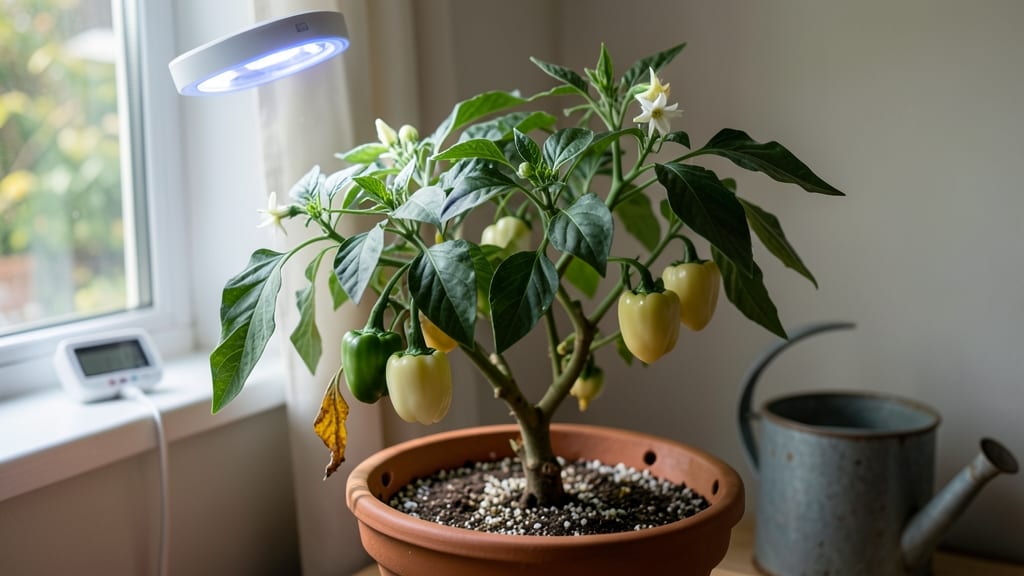
Overwintering pepper plants indoors keeps your spice game strong through winter. 🌱 I’ve saved my favorite jalapeños and bell peppers year after year using this simple method—no fancy equipment, just smart light and care. The key? Mimicking their natural needs so they don’t go dormant or leggy before spring.
Start with healthy plants, prune them back by a third, and move them to a bright spot near a south-facing window or under grow lights. Keep temperatures steady between 60-70°F, water only when the top inch of soil feels dry, and add humidity with a pebble tray.
Most people overwater or let them get too cold—both kill peppers fast.
By late winter, you’ll see fresh green growth and even a few tiny flowers. The plants stay compact, productive, and ready to transplant back outside when soil warms up. My overwintered peppers always outperform store-bought starts in spring—proof that a little winter care pays off big.
Works for any pepper variety, from sweet bells to fiery habaneros. The only mistake I’ve made? Waiting too late to prune. Do it now, before they get lazy from low light. Let’s keep those peppers growing!
📚 In This Guide
- What you need
- Instructions
- Tips and common mistakes
- Wrapping up and next steps
What you need
- ● Pepper plants: Healthy, disease-free plants (1–4 per container, depending on size).
- ● Containers: 5–10 gallon pots (one per plant or shared if small).
- ● Drainage holes (non-negotiable!).
- ○ Optional: Self-watering pots for convenience.
- ● Growing medium: Well-draining potting mix (sterile, peat-based or coco coir blend).
- ○ Optional: Perlite or vermiculite (10–20% mix) for aeration.
- ● Lighting: Grow lights (LED full-spectrum, 12–16 hours/day).
- ● Reflective surfaces (aluminum foil or white walls to maximize light).
- ○ Temperature control: Heating mat (optional, for cooler spaces, 65–75°F range).
- ● Thermometer/hygrometer (to monitor conditions).
- ● Humidity tools: Humidifier or pebble tray (aim for 40–60% humidity).
- ● Misting bottle (for spot checks).
- ● Fertilizer: Balanced liquid fertilizer (5-5-5 or 10-10-10, diluted to half-strength).
- ○ Optional: Slow-release granules (follow package rates).
- ● Pruning tools: Clean, sharp pruners (sterilize with rubbing alcohol).
- ● Garden gloves (for hygiene).
- ● Dedicated indoor space (sunroom, basement, or garage with light access).
- ● Patience—peppers grow slower indoors (expect 6–8 months for fruiting).
- ○ Optional but helpful: A journal to track light cycles, temps, and growth.
Instructions for overwintering pepper plants indoors
Bringing peppers inside for winter is easier than you think—just follow these steps to keep your plants thriving.
🌿 Step 1: Prune and Prepare for Transition
Start by removing any ripe peppers still on the plant and trim back the foliage by about one-third to reduce stress. Focus on pruning leggy growth and yellowing leaves—this helps the plant redirect energy to root and stem development. I like to use clean, sharp scissors to make cuts just above leaf nodes, which encourages bushier growth later.
Next, inspect the plant for pests like spider mites or aphids. A quick spray with neem oil (if you have it) or a strong water blast from the hose removes most pests. Don’t skip this—overwintering pests multiply fast in dry indoor air. Once cleaned, let the plant sit in a shaded spot for 24 hours to recover before moving inside.
☀️ Step 2: Acclimate to Indoor Light Gradually
Don’t move your pepper plant directly from bright sunlight to a dim indoor spot—it’ll shock the plant. Instead, start by placing it in a bright, east-facing window for 3-5 days, then transition to its permanent indoor location. Peppers need at least 6 hours of light daily, so supplement with a grow light if natural light is insufficient. I position mine 4-6 inches above the plant for 12-14 hours a day to mimic summer conditions.
Watch for signs of stress like yellowing leaves or stunted growth—these mean the light isn’t strong enough. If you notice leggy stems reaching toward the window, your plant needs more light immediately. Adjust the grow light height or duration to keep leaves dark green and compact.
💧 Step 3: Adjust Watering and Humidity
Indoor air is drier, so water your pepper plant only when the top 1-2 inches of soil feel dry to the touch. Overwatering is the #1 killer of overwintered peppers—roots rot quickly in soggy soil. I use a moisture meter to check, but sticking your finger in the soil works too. Water deeply until it drains from the bottom, then empty the saucer to prevent root suffocation.
Boost humidity by placing the pot on a tray of pebbles and water (never let the pot sit in water) or misting the leaves 2-3 times a week. Peppers thrive in 40-60% humidity, so a small humidifier near the plant helps too. If leaves start curling or dropping, increase humidity right away—this is your plant’s SOS signal.
✂️ Step 4: Fertilize Lightly and Monitor Growth
Reduce fertilizer to half-strength every 4-6 weeks—peppers grow slower in winter, and too much salt builds up in the soil. I switch to a balanced 10-10-10 formula or organic fish emulsion to avoid burning roots. Stop fertilizing entirely if the plant looks stressed or stops producing new leaves. Prune any flower buds that form now—save energy for next season’s harvest.
Keep an eye out for spider webs or sticky residue on leaves, which signal pests. Wipe leaves with a damp cloth weekly to remove dust, which blocks light absorption. If you see new growth slowing or leaves turning pale, it’s time to reassess light or humidity—peppers are finicky but rewarding when cared for just right.
⏰ Step 5: Plan for Spring Revival
In late winter, start gradually increasing light exposure to prepare for spring. Move the plant closer to a south-facing window or extend grow light hours by 1 hour weekly. By March, your pepper should be ready for full-sun conditions again. Prune any dead or weak stems now to encourage fresh, vigorous growth—this is the time to shape the plant for next year’s bounty.
Watch for the first signs of new leaves or flower buds in late winter/early spring—this is your cue that the plant is waking up. If you notice buds forming too early, reduce light slightly to delay flowering until outdoor temperatures stabilize. With patience, your overwintered pepper will reward you with earlier harvests and stronger plants next season.
Tips & tricks for overwintering pepper plants indoors
These small adjustments make all the difference between a struggling plant and a thriving winter survivor.
Pruning Precision: When you're trimming that one-third of foliage in Step 1, focus on removing the largest, oldest leaves first. These leaves have already done their job and are just sapping energy from the plant. I also make my cuts at a slight angle just above leaf nodes—this encourages new growth to sprout from those exact points. Think of it like giving your plant a fresh start with built-in growth points.
Light Transition Strategy: That 3-5 day east-facing window acclimation in Step 2 is your plant's safety net. If you're short on natural light, consider using a simple LED bulb (like a 6500K daylight bulb) as temporary backup during those first few days. The key is to match the light intensity gradually—peppers can't handle sudden changes any more than we can!
Watering Wisdom: The "top 1-2 inches dry" rule in Step 3 is your best friend, but here's the secret: check moisture at the same time every day. I test mine first thing in the morning before the plant has had any water. This creates a consistent routine that helps you spot patterns—like when your plant starts drinking more or less based on indoor conditions.
Spring Revival Hack: In Step 5, when you're increasing light exposure by 1 hour weekly, pair that with a weekly leaf wipe-down. Dust blocks 50% of light absorption, so clean leaves mean your plant gets maximum benefit from every extra minute of light. This simple habit can make the difference between weak new growth and strong, vibrant stems ready for spring planting.
Pro Tips for Overwintering Pepper Plants Indoors
- These small adjustments make all the difference between a struggling plant and a thriving winter survivor.
- Pruning Precision: When you're trimming that one-third of foliage in Step 1, focus on removing the largest, oldest leaves first.
- Light Transition Strategy: That 3-5 day east-facing window acclimation in Step 2 is your plant's safety net.
Frequently asked questions
Got questions about keeping your peppers alive through winter? Here are some common ones—plus expert answers to help you overwinter like a pro!
When is the best time to bring pepper plants indoors?
Start moving peppers indoors before the first frost—typically 2–4 weeks ahead, depending on your climate. Look for signs like shorter daylight or nighttime temps dropping below 50°F (10°C). The earlier you transition, the easier it is for plants to adjust to lower light and slower growth.
Can I overwinter peppers in a garage or basement?
Not ideal! Garages and basements often lack sufficient light (12+ hours/day), humidity, and warmth (peppers need 60–70°F/15–21°C). If you must, supplement with grow lights and a small space heater—but a sunny window or grow room is far better. Cold drafts and low humidity can stress plants and invite pests.
How do I prevent leggy or weak pepper plants indoors?
Leggy growth happens when plants stretch for light. Keep them 6–12 inches from grow lights (LED or fluorescent) and rotate daily for even exposure. Prune leggy stems to encourage bushier growth, and avoid overcrowding. A 10–12 hour light cycle mimics natural daylight and keeps peppers healthy.
Will my overwintered peppers still produce fruit next season?
Yes! With proper care, overwintered peppers can thrive for years and even produce fruit. However, yield may drop slightly the first year indoors due to stress. Prune aggressively in late winter to rejuvenate growth, and fertilize lightly with a balanced formula (10-10-10) when you repot in spring.
What should I do if my indoor pepper plants get pests?
Isolate affected plants immediately and inspect for spider mites, aphids, or fungus gnats. Treat with neem oil (mix 1 tsp/quart of water) or insecticidal soap, and increase humidity (pepper pests thrive in dry air). Quarantine new plants for 2 weeks to prevent infestations.
Wrapping up and next steps
Overwintering pepper plants indoors isn’t just possible—it’s a rewarding way to enjoy fresh peppers year-round! With the right light, care, and patience, your plants can thrive through winter and reward you with delicious harvests come spring. 🌱
Ready to give it a try? Start by choosing healthy plants and setting up your indoor garden today—your future harvests will thank you! For extra tips, check out our companion planting guide to maximize growth and flavor.