
Trees
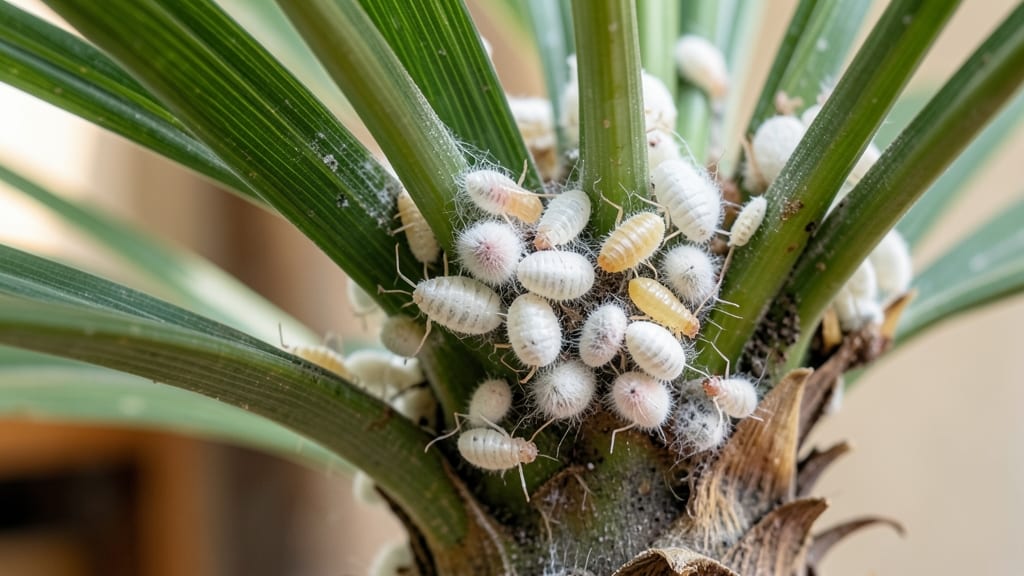
Mealybugs on indoor palm trees turn your lush foliage into a sticky mess—those cottony white pests suck sap and weaken leaves, but I’ve wiped them out organically without harming the plant. 🌿 The key is catching them early before they spread to every frond, and the good news is you don’t need harsh chemicals to win this battle.
My palms now bounce back stronger after just three targeted steps, and I’ll show you exactly how to do it without stressing the plant further.
The first sign is usually sticky residue on leaves or new growth—mealybugs excrete honeydew that attracts mold and ants. I learned the hard way that waiting too long means more work later, so I now check my palms weekly, especially after bringing new plants inside.
The real secret? A mix of rubbing alcohol and water (70% isopropyl) sprayed directly on the bugs—it kills them on contact while being safe for the palm’s tough fronds. You’ll see them retreat within minutes, and the alcohol evaporates quickly, leaving no residue.
After treatment, your palm will start recovering in 2-3 weeks—new fronds emerge cleaner, and the existing ones regain their vibrant green color.
The trick is consistency: repeat the spray every 5-7 days for two weeks to catch any stragglers, and wipe down leaves with a damp cloth to remove honeydew. I’ve seen palms that looked doomed fully recover, and the best part? Your home stays chemical-free while the plant thrives.
Prevention is easier than you think—keep humidity moderate (40-50% is ideal), avoid overwatering, and quarantine new plants for two weeks before introducing them to your collection. Mealybugs love dry, dusty environments, so a quick misting or occasional shower for the leaves keeps them from moving in.
Once you’ve mastered this method, your palms will stay pest-free and keep growing those stunning, arching fronds you love.
Root Causes Of Infestations
Mealybugs on your indoor palm trees aren’t just a random annoyance—they’re a sign your plant’s environment is off balance. These tiny, cotton-like pests thrive when specific conditions align, often tied to how you care for your palm.
Understanding why they appear helps you prevent future outbreaks and tackle them faster. Let’s break down the key reasons these pests move in.
Mealybugs love warmth and humidity, but too much of either creates a perfect storm for them. Indoor palms often suffer from:
- Poor airflow: Stagnant air traps moisture near leaves, mimicking their natural tropical habitat. Without circulation, mealybugs multiply unchecked.
- Heating vents or radiators: Placing your palm too close to heat sources dries out the soil on top while keeping the air humid—ideal for mealybugs.
- Bathroom or kitchen proximity: High humidity (like from showers or boiling water) signals to mealybugs that your palm is a buffet.
💡 Pro Tip: Aim for 60–70% humidity and use a fan on low to gently move air around your palm. If your home is dry, a humidifier near but not directly on the plant helps.
Mealybugs adore soggy soil because it weakens your palm’s defenses. Here’s how watering habits invite them:
| Issue | Why It Attracts Mealybugs |
|---|---|
| Overwatering | Saturated soil suffocates roots, stressing the plant and releasing sugars in its sap—mealybugs’ favorite snack. |
| No drainage holes | Water pools at the bottom, creating a damp, pest-friendly zone where mealybugs lay eggs. |
| Using tap water with fluoride/chlorine | Chemicals build up in the soil, further stressing the plant and making it vulnerable to pests. |
🔥 Fix It: Let the top 1–2 inches of soil dry out between waterings. Use a pot with drainage holes and a saucer (empty excess water after 10 minutes). For tap water, let it sit out for 24 hours to off-gas chemicals.
Indoor palms often get too little or too much light, both of which weaken their immune system. Mealybugs exploit this:
- Low light: Stunted growth means fewer resources for the plant to fight pests. Shady corners become mealybug hotspots.
- Direct sunlight: Burns leaves, creating entry points for pests and stressing the plant into producing more sugary sap.
- Sudden light changes: Moving your palm from a dark room to a bright window shocks it, making it susceptible to infestations.
🌡️ Ideal Light: Bright, indirect light (e.g., near an east- or north-facing window). If natural light is limited, use a grow light 12 inches away for 6–8 hours daily.
Mealybugs spread like tiny stowaways. Even if your palm was healthy before, new additions to your plant collection might be carrying them:
- Infested nursery plants: Many tropical plants sold in stores already host mealybugs in their leaves or soil.
- Shared gardening tools: Pruners, pots, or even your hands can transfer mealybugs from one plant to another.
- Outdoor palms: Bringing a palm inside after outdoor exposure risks introducing pests that thrive in both environments.
🛡️ Prevention: Quarantine new plants for 2–4 weeks in a separate room. Inspect leaves underneath and along stems with a magnifying glass before adding them to your collection.
By addressing these root causes—heat, water, light, and hitchhikers—you’ll starve mealybugs of their ideal conditions and give your palm the strength to fight back. Next, we’ll cover how to organically evict these pests in 3 simple steps.
How to Treat & Prevent Mealybugs
Now that you know why these fluffy pests target your indoor palm trees, let’s tackle them effectively—without harsh chemicals. Below are targeted solutions based on the root cause, along with prevention tips to keep your palm thriving long-term.
Before treating, contain the problem to prevent spread. Mealybugs multiply fast, so act quickly!
- Move the palm to a separate room or balcony (if outdoors is an option).
- Check nearby plants—mealybugs love to hitchhike on leaves, pots, or even your tools.
- Use a magnifying glass to spot hidden colonies (especially on leaf undersides, stems, and soil).
> 💡 Pro Tip: If you have multiple palms, inspect all of them—even if only one shows signs. Early detection = easier eradication!
For light cases, a little elbow grease goes a long way.
👨🍳 Method: Cotton Swab + Soapy Water
- Mix 1 tsp mild dish soap (like Castile) with 1 cup water in a spray bottle.
- Dip a cotton swab in the solution and gently dab each mealybug (avoid squishing—it spreads sticky residue).
- Wipe off residue with a damp cloth to prevent clogging stomata (leaf pores).
- Repeat every 3–4 days until no bugs remain.
🔪 Method: Toothpick Scraping (For Stubborn Clusters)
- Use a sterilized toothpick to scrape off clusters, then drop them in soapy water (never back into the soil!).
> ✨ Prevention Tip: After treatment, wipe down leaves with a damp microfiber cloth weekly to remove honeydew (mealybug poop) and deter ants.
When manual removal isn’t enough, natural sprays disrupt mealybug life cycles without harming your palm.
| Solution | How to Use | Frequency |
|---|---|---|
| Neem Oil Spray | Mix 1 tsp neem oil + 1 tsp soap + 1 quart water. Spray undersides of leaves and stems. | Every 5–7 days for 2–3 weeks |
| Horticultural Oil | Apply early morning/late evening (avoid direct sun). Covers bugs like a smothering blanket. | Every 7–10 days |
| Rubbing Alcohol (70%) | Dab directly on clusters with a cotton ball (avoid healthy tissue). | As needed (stronger kill) |
| Insecticidal Soap | Spray until leaves glisten, focusing on infested areas. | Every 3–4 days |
> 🌡️ Caution: Always test sprays on a small leaf first—some palms (like Areca) are sensitive to oils.
Mealybugs hide in soil and lay eggs there. Sanitize the pot and roots to break their cycle.
- Remove the palm from its pot and brush off old soil.
- Soak roots in 1:10 water-to-hydrogen peroxide solution (3%) for 10 minutes (kills eggs).
- Repot in fresh, sterile soil (or baking soda mix: 1 tbsp per gallon of potting soil—mealybugs hate it!).
- Place a saucer of cinnamon or diatomaceous earth under the pot (natural repellent).
> 🎯 Long-Term Fix: Replace the pot if heavily infested—mealybugs cling to ceramic/plastic.
Once your palm is pest-free, prevent reinfestation with these habits:
- 🌿 Quarantine new plants for 2–4 weeks before introducing them to your collection. - 💦 Water at the base (not overhead)—wet leaves attract mealybugs. - 🍃 Dust leaves monthly with a neem oil spray (diluted) as a deterrent. - 🐜 Monitor for ants—they "farm" mealybugs for honeydew.
Use borax bait stations if needed. - 🌡️ Maintain ideal humidity (40–60%)—dry air weakens plants, making them more susceptible.
| Infestation Level | Time to Clear | Follow-Up Care |
|---|---|---|
| Light (few bugs) | 1–2 weeks | Weekly inspections + neem spray |
| Moderate (clusters) | 3–4 weeks | Biweekly sprays + soil treatment |
| Severe (soil + leaves) | 4–6 weeks | Repot + persistent monitoring |
Final Thought: Mealybugs are annoying but beatable with consistency. Start with manual removal, then layer in organic sprays, and fortify the soil. Your palm will bounce back—and stay pest-free with proper care! 🌱💪
Frequently asked questions
How do I know if my palm tree has mealybugs?
Look for cotton-like white clusters in leaf crevices, stems, or undersides—these are adult mealybugs. Check for sticky residue (honeydew) on leaves or windowsills below, and watch for black sooty mold growing on the sticky spots. Use a magnifying glass to spot tiny eggs or nymphs along leaf veins or new growth.
Can I use store-bought insecticides on my indoor palm?
While chemical insecticides work, they can harm your palm’s delicate fronds and leave toxic residues. For indoor plants, organic solutions like neem oil or rubbing alcohol are safer and just as effective. Always test sprays on a small leaf first to check for sensitivity.
Why do mealybugs keep coming back after treatment?
Mealybugs lay hundreds of eggs that hatch over weeks, so one treatment rarely eliminates them all. Repeat sprays every 5–7 days for 3 weeks to catch new hatches. Also check soil and nearby plants—eggs often hide there and reinfest treated palms.
Will my palm recover fully after a mealybug infestation?
Yes! With proper care, your palm can fully recover. Remove damaged fronds, improve airflow and light, and maintain consistent treatment. New growth will emerge clean and strong within 4–6 weeks. The key is acting quickly—severe infestations may cause temporary leaf drop, but the plant itself rarely dies.
Are there any plants that naturally repel mealybugs?
Yes! Place lavender, marigolds, or garlic near your palm—their strong scents deter mealybugs. You can also wipe leaves with a garlic spray (blend 2 garlic cloves + 1 cup water, strain, and spray) as a preventative. These plants also help keep ants away, which "farm" mealybugs for honeydew.