
Container Gardens
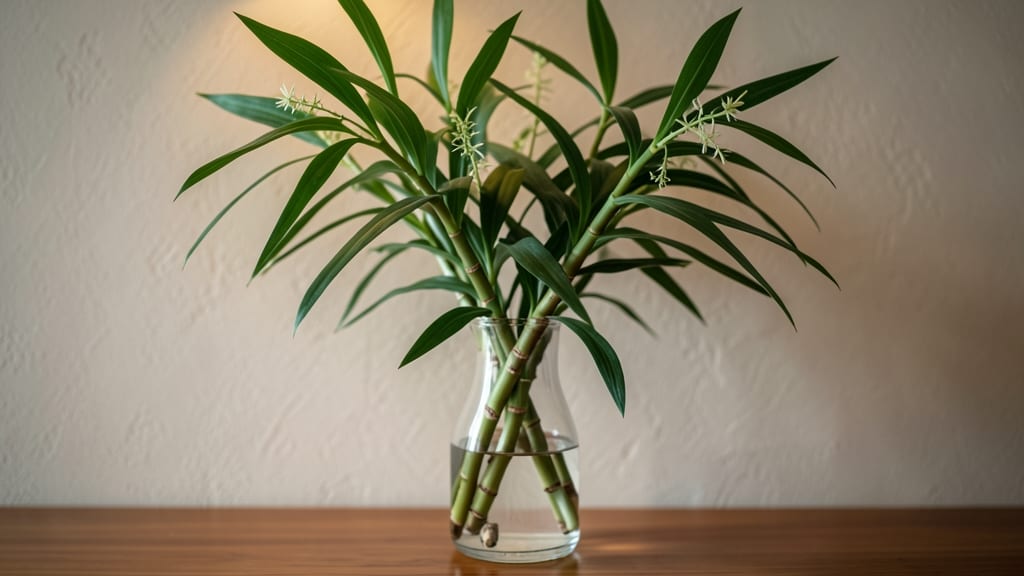
My mass cane indoor plant thrives with almost no effort—just the right light, water, and a little patience. 🌿 The striped stems and arching fronds make it a standout houseplant, and it’s one of the most forgiving options for beginners.
Unlike finicky tropicals, this one handles indoor conditions like a champ, as long as you avoid a few key mistakes.
The secret to keeping it lush isn’t complicated: bright, indirect light (a north or east-facing window works best), water when the top inch of soil feels dry, and occasional misting to mimic its humid tropical roots.
Overwatering is the only real enemy—yellow leaves mean it’s time to cut back. Even with these basics, your mass cane will reward you with year-round growth and that satisfying, healthy glow.
Pruning is the real game-changer here. Snip off brown or leggy stems at the base, and you’ll encourage bushier, fuller growth. The best part? You can propagate those cuttings in water, giving you free plants for friends or extra pots.
No fancy tools or skills needed—just a pair of clean scissors and a little patience.
This plant is tough enough for offices, apartments, or even bathrooms (where humidity is naturally higher). Just keep it away from cold drafts, and it’ll thrive for years with minimal fuss. Ready to add some architectural beauty to your space without the stress?
📚 In This Guide
- What you need
- Instructions
- Tips and common mistakes
- Wrapping up and next steps
What you need
- ● Mass Cane Plant: 1 healthy Dracaena fragrans 'Massangeana' (also called "Corn Plant") in a 6–8" pot (or larger if repotting).
- ● Well-Draining Soil: 1 bag (5–10 lbs) of cactus or African violet mix (or blend with 20% perlite/pumice for aeration).
- ● Container: Primary Pot: 1 ceramic or terracotta pot (8–12" diameter) with drainage holes.
- ○ Cache Pot (Optional):strong> 1 decorative outer pot (1–2" larger than the primary pot) for a polished look.
- ● Drainage Layer: 1–2" of pebbles, gravel, or broken pottery (for the pot’s base).
- ● Watering Can: 1 with a narrow spout (to avoid soil displacement).
- ○ Humidity Tray (Optional): 1 shallow tray + pebbles (for tropical humidity lovers).
- ● Fertilizer: Balanced Liquid Fertilizer: 1 bottle (e.g., 10-10-10 or 20-20-20, diluted to half-strength).
- ○ Slow-Release Granules (Optional): 1–2 tbsp mixed into soil at planting.
- ● Bright, Indirect Light: A spot near an east- or north-facing window (or 10–15 ft from a south/west window).
- ● Room Temperature: Keep between 65–80°F (avoid drafts or AC vents!).
- ● Patience: Mass canes grow slowly—think "decades-long commitment" energy. 😉
- ○ Pruning Tools (Optional): 1 pair of sterilized pruning shears or sharp scissors (for very minimal trimming).
- ● 1 small rubbing alcohol wipe (to clean tools between cuts).
- ○ Plant Stakes or Trellis (Optional):strong> For tall varieties (if yours leans—though most mass canes stay bushy!).
Step-by-step instructions for growing mass cane indoors
Here's how to keep your mass cane thriving with minimal effort—just follow these simple steps.
🌱 Step 1: Choose the Right Spot and Pot
Mass cane loves bright, indirect light—think near an east or west-facing window where it gets morning or afternoon sun. Avoid harsh midday rays, which can scorch its leaves. I use a 6-8 inch pot with drainage holes to prevent soggy roots, which this tropical plant hates.
If your home has low light, don't worry—mass cane adapts well to medium light, though it may grow slightly slower. The key is consistency: once you pick a spot, keep it there. Moving the plant around stresses it and can cause leaf drop.
💧 Step 2: Water When the Topsoil Feels Dry
Water your mass cane when the top 1-2 inches of soil feel dry to the touch. Stick your finger in the soil—if it's damp, wait a day or two. Overwatering is the #1 killer of mass cane, so I always check moisture before watering again.
Use room-temperature water to avoid shocking the roots. Pour slowly until water drains from the bottom holes, then empty the saucer to prevent root rot. In winter, when growth slows, you'll water less frequently—sometimes every 2-3 weeks.
☀️ Step 3: Rotate for Even Growth
Every 2-3 weeks, give your mass cane a quarter turn toward the light. This ensures it grows straight and bushy instead of leaning toward one side. You'll notice the stems reaching for the light if you skip this step—it's a clear sign it needs to be repositioned.
If you see yellow leaves, it's often a sign of too much direct sun or inconsistent watering. Move the plant to a slightly shadier spot and check your watering routine. Healthy leaves should be deep green with a slight sheen, not dull or crispy.
✂️ Step 4: Prune for Fullness (Optional but Rewarding)
Pruning isn't required, but it keeps your mass cane lush and encourages bushier growth. Snip back leggy stems just above a leaf node with clean, sharp scissors. I usually do this in early spring when new growth starts—it's like giving your plant a fresh start.
Don't worry about over-pruning; mass cane is forgiving. If you accidentally trim too much, it'll bounce back with new shoots within a few weeks. Just avoid cutting into woody stems—focus on softer, newer growth for the best results.
🪴 Step 5: Feed Lightly During Growing Season
In spring and summer, when your mass cane is actively growing, feed it with a balanced liquid fertilizer (like 10-10-10) diluted to half strength. I do this every 4-6 weeks, but only when the plant is actively growing—never in winter.
Over-fertilizing burns roots, so less is more. If you see brown leaf tips, flush the soil with water to remove excess salts. A happy mass cane will reward you with glossy, vibrant leaves that last year-round with almost no effort.
Tips & tricks for perfect mass cane indoor growth
Took me years to figure out these simple tricks that'll keep your mass cane thriving with almost no effort.
Light Source Strategy: If your east or west window isn't an option, try a north-facing window for consistent medium light. I've had success with my mass cane under a grow light on a timer for 12 hours daily—just position it 6-12 inches above the plant. The key is avoiding sudden light changes, which can cause leaf drop. For best results, position your plant where it receives light for at least 6 hours daily, even if it's indirect.
Soil Check Technique: Instead of just sticking your finger in the soil, try the "weight test" for watering. Lift the pot—if it feels noticeably lighter than usual, it's time to water. This method helps prevent both overwatering and underwatering. I also recommend using a moisture meter for beginners; it takes the guesswork out of when to water. Remember, the top 1-2 inches should be dry before watering again, but don't let the soil dry out completely.
Rotation Reminder: Set a phone alarm every 2-3 weeks to remind you to rotate your plant. I place a sticky note on my window sill that says "Rotate Mass Cane" to avoid forgetting. This simple habit prevents that awkward leaning growth that makes plants look like they're reaching for something. The quarter turn ensures even exposure to light, which keeps your mass cane growing evenly in all directions.
Pruning Timing: Early spring is ideal for pruning, but you can do it anytime you notice leggy growth. I like to prune right after repotting to give my plant a fresh start. When cutting, make your snips at a 45-degree angle just above a leaf node—this encourages new growth from that spot. Avoid cutting into woody stems, as these won't regrow. The plant will often produce new shoots within 2-3 weeks of proper pruning.
Pro Tips for Mass Cane Indoor Plant
- Took me years to figure out these simple tricks that'll keep your mass cane thriving with almost no effort.
- Light Source Strategy: If your east or west window isn't an option, try a north-facing window for consistent medium light.
- Soil Check Technique: Instead of just sticking your finger in the soil, try the "weight test" for watering.
Frequently asked questions
Got questions about keeping your mass cane (Dracaena fragrans 'Massangeana') thriving indoors?
You’re in the right place! Here are answers to the most common queries—no green thumb required.
How often should I water my mass cane plant?
Water your mass cane when the top 1–2 inches of soil feel dry to the touch. Overwatering is the #1 killer—stick your finger in the soil to check! In winter, reduce watering to every 3–4 weeks since growth slows. Pro tip: Yellow leaves? You’re likely overwatering. Brown, crispy tips? Time to hydrate!
Can mass canes survive in low light?
Yes! They’re tougher than you’d think and thrive in bright, indirect light but can tolerate low-light conditions (like offices or north-facing rooms). Just expect slower growth. Avoid direct sunlight—it can scorch the leaves. Sign of distress? If leaves turn dark or develop brown spots, move it closer to a window.
Do I need to prune my mass cane?
Nope—zero fuss! Pruning is optional but helps encourage bushier growth. Simply snip off brown or yellow leaves at the base with clean scissors. For a taller, leggy plant, trim the top few inches. Bonus: Propagate the cuttings in water for free new plants!
What pests should I watch for on my mass cane?
Spider mites and mealybugs are the usual culprits. Spot them? Wipe leaves with a damp cloth and spray with water to deter pests. For stubborn infestations, use neem oil or insecticidal soap. Prevention tip: Isolate new plants for a week to avoid spreading pests to your mass cane.
What’s the ideal temperature range for indoor mass canes?
Keep it cozy between 65–80°F (18–27°C). Drafty windows, AC vents, or sudden temp drops can stress the plant. Avoid placing it near heaters or air conditioners. Cold draft? Move it away from doors or windowsills in winter.
Are mass canes pet-friendly?
Unfortunately, no. Mass canes are toxic to cats and dogs if ingested, causing vomiting or drooling. Keep it out of reach if you’ve got furry friends. Pet owners: Opt for pet-safe alternatives like spider plants or Boston ferns instead!
Wrapping up and next steps
The mass cane indoor plant is your ultimate low-maintenance companion for year-round greenery—no pruning skills required! 🌿 With its hardy nature and striking, arching canes, it thrives in almost any bright corner while purifying your air.
Whether you're a seasoned plant parent or just starting, this beauty proves that lushness doesn’t need fuss.
Now that you’re armed with care tips and answers to common questions, go ahead and bring one home—or gift it to a friend!
Start small with a single cane, or dive in with a cluster for instant tropical vibes. Your next green success story is just a pot away! 🌱