
Container Gardens
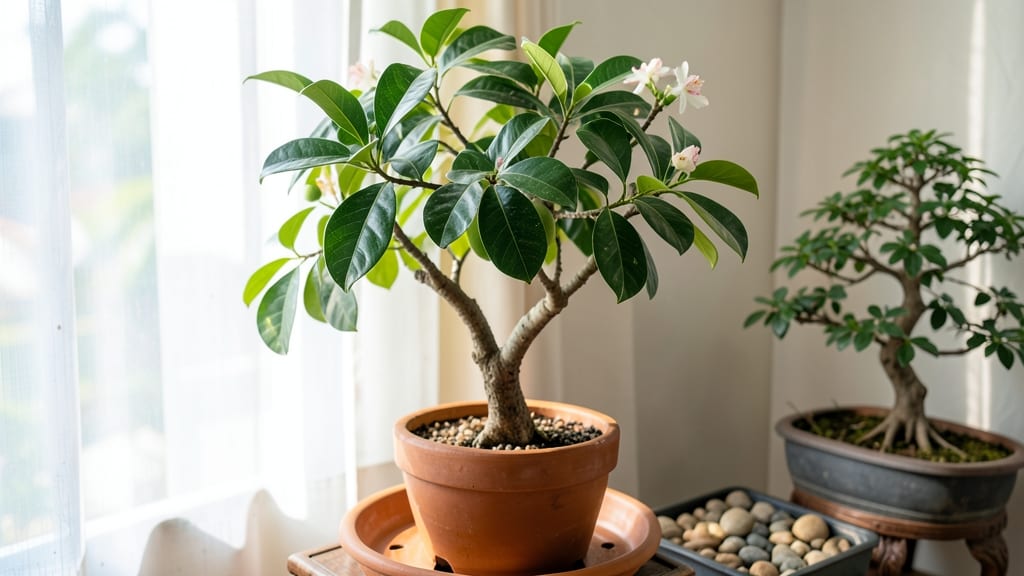
Growing a mango tree indoors lets you taste tropical fruit without the heat or humidity. 🌱 I've nurtured these delicate trees for years, and the key to success starts with choosing the right dwarf variety—like 'Cogshall' or 'Julie'—that thrives in containers.
These compact types stay manageable while still producing fruit, though it takes patience (and a lot of sunlight).
The right setup makes all the difference: a 15-gallon pot with drainage holes, a well-draining potting mix, and a sunny south-facing window (or a grow light for 12+ hours daily). My tree gets 65-85°F days and 60-70°F nights, mimicking its native tropical home.
Too much cold slows growth, while drafts can stress the plant—keep it cozy near a warm wall if needed.
With consistent care, you'll see glossy new leaves within weeks and—if you're lucky—tiny flower buds by year two. The real reward comes when those first mangoes appear, though fruiting takes 3-5 years indoors.
(Yes, it's a long game, but the smell of a ripe mango in winter is worth every wait.)
Here's the secret weapon: humidity. A pebble tray with water or a small humidifier keeps the air tropical enough to prevent leaf drop. And when pests like spider mites appear (they love dry air), a neem oil spray sends them packing.
Start small, stay patient, and you'll have your own indoor orchard before you know it.
📚 In This Guide
- What you need
- Instructions
- Tips and common mistakes
- Wrapping up and next steps
What you need
- ● Mango Tree Sapling or Seedling: Choose a dwarf variety (e.g., Mangifera indica ‘Cogshall’ or ‘Ice Cream’) from a nursery or reputable online seller. Pro tip: 🌱 Opt for a 1–3-year-old plant for faster fruiting.
- ● Large Container: A pot with drainage holes, at least 18–24 inches in diameter and 12–18 inches deep (e.g., ceramic, fabric, or plastic).
- ● Well-Draining Potting Mix: 5–10 gallons of a blend like: 60% cactus/succulent mix (for aeration)
- ● 30% peat moss or coco coir (for moisture retention)
- ● 10% perlite or pumice (to prevent compaction)
- ● Drainage Layer: 2–3 inches of gravel, expanded clay pebbles, or broken pottery shards.
- ● Pruning Shears: Sharp, sterilized shears for trimming (or a bypass pruner for precision).
- ○ Support Stake (Optional but Helpful): A 3–4 foot bamboo or metal stake to stabilize the tree as it grows.
- ● Grow Lights: A full-spectrum LED grow light (e.g., 10,000–15,000 lux) for 12–14 hours/day if natural light is limited.
- ● Humidity Tray: A shallow tray with pebbles and water to boost humidity (mangoes love it!).
- ● Fertilizer: Balanced liquid fertilizer (e.g., 10-10-10) for early growth.
- ● Citrus/mango-specific fertilizer (higher in potassium and magnesium) for fruiting.
- ● Mulch: Orchid bark or pine needles to retain moisture and mimic tropical soil.
- ● Pest Control: Neem oil or insecticidal soap for early pest prevention.
Step-by-step instructions for growing a mango tree indoors
Here's how to nurture a tropical mango tree in your home—just sunlight and patience required.
🌱 Step 1: Select and Prepare a Healthy Mango Seedling
Start with a young mango tree from a reputable nursery—avoid seeds from store-bought fruit, as they often produce weak, slow-growing trees. Choose a dwarf variety like 'Cogshall' or 'Julie' for indoor spaces. Remove the seedling from its pot and inspect the roots for any signs of rot or damage. If you're repotting, use a 6-8 inch container with drainage holes to prevent soggy roots.
Fill the pot halfway with a well-draining mix of 50% potting soil and 50% perlite or coarse sand. This blend mimics tropical soil while preventing compaction. Gently place the seedling in the pot, ensuring the root ball sits 1 inch below the rim. Tap the container lightly to settle the soil around the roots, then water until moisture runs freely from the drainage holes.
☀️ Step 2: Position for Maximum Sunlight
Mango trees thrive on bright, indirect light for 6-8 hours daily. Place your tree near a south- or west-facing window where it can bask in gentle sunlight. If natural light is insufficient, supplement with a grow light positioned 12-18 inches above the plant for 12-14 hours daily. You'll notice leaves turning pale or stretching toward the light—this is your cue to adjust the position or increase light exposure.
Rotate the pot a quarter turn weekly to encourage even growth. Avoid direct midday sun, which can scorch delicate leaves. If you see brown patches or crispy edges, move the tree slightly farther from the window or provide afternoon shade with a sheer curtain.
💧 Step 3: Water and Maintain Ideal Humidity
Water your mango tree when the top 2 inches of soil feel dry to the touch. Stick your finger into the soil—if it's damp, wait a day or two before watering. Mango trees hate soggy roots, so always allow excess water to drain away completely. In dry climates, mist the leaves 2-3 times weekly to mimic tropical humidity, or place the pot on a tray filled with pebbles and water.
During active growth (spring and summer), fertilize every 4-6 weeks with a balanced 10-10-10 liquid fertilizer diluted to half strength. Reduce feeding in fall and winter when the tree enters dormancy. Yellowing leaves often signal overwatering or nutrient deficiency—adjust your care routine accordingly.
✂️ Step 4: Prune and Shape for Health
Prune your mango tree in late winter or early spring before new growth begins. Remove any dead, diseased, or crossing branches using clean, sharp pruners. Cut just above a leaf node or outward-facing bud to encourage bushier growth. Thin out crowded branches to improve airflow, which reduces the risk of fungal diseases. You'll see stronger, more vibrant foliage within a few weeks of pruning.
Pinch back new growth tips when they reach 6-8 inches to promote branching. This step is crucial for indoor trees, as they often grow leggy without intervention. Avoid heavy pruning in the first year, as young trees need all their energy to establish roots.
🪴 Step 5: Repot and Encourage Fruit Production
Repot your mango tree every 2-3 years or when roots emerge from the drainage holes. Choose a container only 2 inches larger in diameter than the current pot to prevent overpotting, which can lead to root rot. Use the same well-draining soil mix and water thoroughly after repotting. Place the tree in a shaded spot for 1-2 weeks to reduce stress.
To encourage flowering and fruiting, provide cool nights (55-60°F) and warm days (75-85°F) for at least 4-6 weeks. If your indoor environment lacks temperature variation, place the tree near an open window at night or use a small fan to simulate airflow. With patience, you may see small white flowers appear in 3-5 years, followed by tiny mangoes—though indoor-grown fruit is rarely as sweet or large as outdoor varieties.
Tips & tricks for perfect indoor mango tree growth
Here's what nobody tells you about keeping your tropical mango thriving indoors—details that make all the difference.
The Light Factor: That 6-8 hours of bright, indirect light is non-negotiable. If your windows don't provide enough, invest in a full-spectrum LED grow light—it's worth it for your tree's health. I've seen pale, leggy mango trees transform in just two weeks with proper supplemental lighting. Position the light 12-18 inches above the leaves and keep it on for 12-14 hours daily to mimic natural daylight cycles.
Soil Science: The 50/50 potting soil and perlite mix is crucial for preventing root rot. I learned this the hard way after losing two seedlings to soggy soil. When repotting your dwarf variety, always use containers with drainage holes—even if you're careful with watering. The perlite creates air pockets that tropical roots absolutely need to breathe. Tap the pot gently after planting to eliminate air pockets around the roots.
Pruning Secrets: That pinch-back at 6-8 inches might seem counterintuitive, but it's what prevents your mango tree from becoming a single, sad stalk. The first time I skipped this, my tree grew 3 feet tall in 6 months with barely any branches. Pinch just above a leaf node where you want new growth to emerge. This encourages bushier growth that's better suited for indoor spaces and more likely to produce flowers down the road.
Fertilizer Timing: The 4-6 week feeding schedule during active growth is perfect, but here's the trick: always dilute that 10-10-10 fertilizer to half strength. I've seen over-fertilized mango trees develop brown leaf tips from salt buildup in the soil. In fall and winter, reduce feeding to every 8-12 weeks—your tree's growth slows dramatically during dormancy, and it doesn't need the extra nutrients.
Pro Tips for Mango Tree Indoors
- Here's what nobody tells you about keeping your tropical mango thriving indoors—details that make all the difference.
- The Light Factor: That 6-8 hours of bright, indirect light is non-negotiable. If your windows don't provide enough, i...
- Soil Science: The 50/50 potting soil and perlite mix is crucial for preventing root rot. I learned this the hard way ...
Frequently asked questions
Got questions about growing a mango tree indoors? You’re not alone—this tropical beauty requires some extra TLC! Here are answers to the most common queries to help you succeed with your sunlit window harvest.
Can a mango tree really grow indoors, or is it just a decorative plant?
A mango tree can fruit indoors, but it’s a slow process! Dwarf varieties (like ‘Cogshall’ or ‘Ice Cream’) are your best bet—they’re hardy enough for containers and can produce fruit in 3–5 years with ideal light, warmth, and care. Just don’t expect grocery-store-sized mangoes!
How long does it take for an indoor mango tree to bear fruit?
Patience is key! Most indoor mango trees take 3–7 years to bear fruit, depending on the variety and conditions. Dwarf types may fruit sooner (as early as 2–3 years), but you’ll need to hand-pollinate flowers with a small brush. Bonus: Smaller fruit is sweeter and easier to enjoy!
What if my indoor mango tree isn’t getting enough sunlight?
Mango trees are sun-worshippers—they need 6+ hours of direct light daily. If your windowsill isn’t cutting it, try:
- A south-facing window (best in the U.S.)
- A grow light (LED or fluorescent, 12–16 hours/day)
- Rotating the pot weekly for even growth
Why are my mango tree’s leaves turning brown or dropping?
Brown leaves usually mean overwatering, underwatering, or stress. Check these fixes:
- Overwatering: Let the top 2–3 inches of soil dry out between waterings.
- Underwatering: Stick your finger in the soil—if it’s bone-dry, water deeply.
- Low humidity: Mist leaves or use a pebble tray (mangoes love tropical air!).
What’s the best indoor alternative if mango trees are too tricky?
If a mango feels too high-maintenance, try these low-light-tolerant fruit trees for indoors:
- Dwarf citrus (like Meyer lemon) – Fruits in 2–3 years!
- Fig tree – Thrives in shade and bears sweet fruit.
- Dwarf avocado – Slower but rewarding (and fun to propagate!).
Wrapping up and next steps
Growing a mango tree indoors is a rewarding journey that brings a taste of the tropics right into your home—no matter your space or experience level! 🌱 With the right care, sunlight, and patience, you can enjoy lush foliage and even sweet fruit.
Start small, stay consistent, and don’t hesitate to experiment with techniques like pruning or humidity control to keep your tree thriving.
Ready to take the next step? Visit your local nursery to pick out your mango sapling, or dive into our indoor gardening guide for more tips! Your tropical oasis is just a few steps away.