
Tools
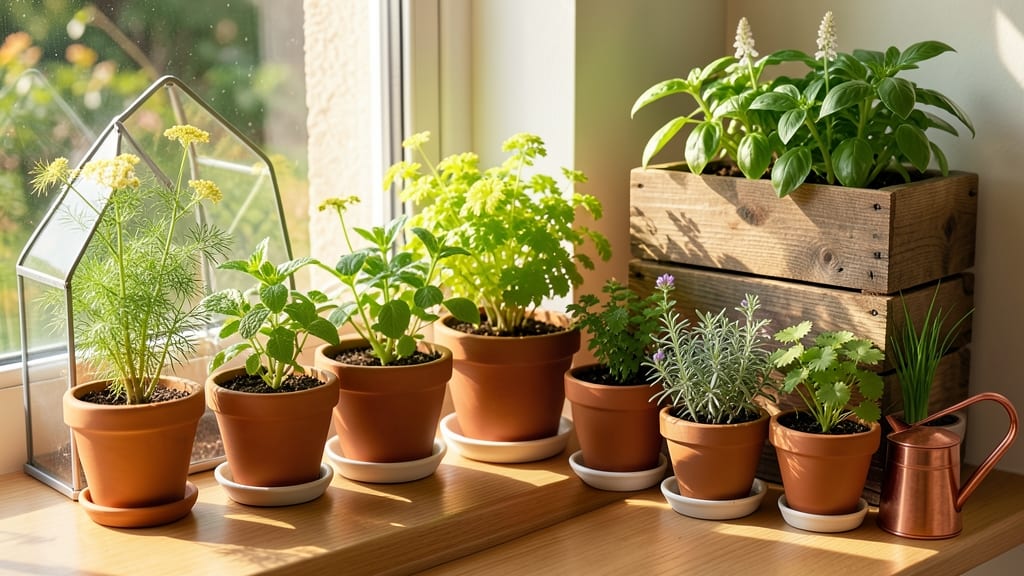
An indoor window herb garden turns your kitchen into a fragrant, productive space—no green thumb required. 🌿 I’ve grown basil, parsley, and thyme on windowsills for years, and the secret isn’t fancy setups but matching herbs to light, containers to roots, and water to their needs.
Within 6 months, you’ll harvest enough for meals, gifts, or even small jars to sell.
The right herbs make all the difference: basil and parsley thrive in bright light, while thyme and oregano tolerate lower light. Start with small pots (6–8 inches wide) and well-draining soil—no need for expensive mixes.
A south- or west-facing window gives the best light, but a grow light works in a pinch. Water when the top inch of soil feels dry, and pinch back leggy stems to encourage bushiness.
You’ll notice fresh, vibrant leaves in just 2–3 weeks, and the aroma alone makes it worth it. No more wilted store-bought herbs—just snip what you need and watch your plants bounce back.
Even if pests like spider mites show up (they hate humidity), a spray of water or neem oil fixes it fast.
This setup works year-round, whether you’re in a tiny apartment or a drafty old house. The only rule? Don’t overwater—herbs hate soggy roots. Once you master the basics, you can expand to mint, chives, or even dwarf citrus. Ready to grow?
📚 In This Guide
- What you need
- Instructions
- Tips and common mistakes
- Wrapping up and next steps
What you need
- ● Herb seeds or starter plants: Basil, parsley, mint, thyme, or chives (choose 3–5 types for variety)
- ● Organic seeds or young seedlings (check seed packets for indoor-growing recommendations)
- ● Containers: 4–6 small pots (4–6 inches wide) with drainage holes (or one large shallow tray divided into sections)
- ● Ceramic, terracotta, or fabric pots (terracotta wicks moisture but dries faster)
- ● Potting mix: 1–2 bags of well-draining, organic potting soil (avoid garden soil—it compacts and holds too much moisture)
- ○ Optional: Add perlite or vermiculite (10–20% mix) for extra aeration
- ● Drainage: Saucer trays or a drip tray (to catch excess water)
- ● Watering can or spray bottle: Small can with a narrow spout (for precise watering) or a spray bottle (for misting)
- ● Sunlight: South- or west-facing window (6+ hours of direct sunlight daily)
- ● Grow light (LED or fluorescent, 12–16 hours/day) (if natural light is limited)
- ● Fertilizer: Balanced liquid fertilizer (diluted to half-strength) or slow-release granules
- ● Pruning shears: Small, sharp scissors for harvesting and trimming
- ● Humidity tray: Shallow tray with pebbles + water (to boost humidity for tropical herbs like basil)
- ● Labels: Chalkboard tags or toothpicks with labels (to track herb types)
- ● Self-watering system: Wick or reservoir-based pots (for busy gardeners)
- ● Pest control: Neem oil or insecticidal soap (preventative measure)
Step-by-step instructions for creating an indoor window herb garden
Here's how to turn that sunny windowsill into a thriving herb garden that keeps you cooking fresh all year.
🪴 Step 1: Select and Prepare Your Containers
Start with 4 small pots (6-8 inches wide) that have drainage holes—herbs hate soggy roots. I like terracotta because it breathes and wicks away moisture, but any clean container works. If your pots don't have holes, drill a few before planting. Place a coffee filter or mesh over each hole to keep soil from washing out while still allowing water to drain.
Fill each pot with 2 cups of high-quality potting mix—never garden soil, which compacts and suffocates roots. Press the soil down gently so it's firm but not packed. You'll want it to hold its shape when squeezed but still feel light. This ensures roots can spread easily without struggling. Leave about 1 inch of space between the soil surface and the pot rim for watering.
🌱 Step 2: Plant Your Herb Starts
Dig a hole in each pot twice as deep as the root ball of your herb starts. Gently remove the plant from its nursery pot and place it in the hole, spreading the roots outward if they're crowded. Fill the hole with soil and press lightly around the base to eliminate air pockets. This helps the plant establish contact with the soil immediately.
I always plant basil, parsley, chives, and thyme in my window garden—each has different care needs but thrives in the same sunny spot. Water each pot immediately after planting to settle the soil and remove any air bubbles around the roots. You'll know it's right when the soil surface looks evenly moist but not glistening.
☀️ Step 3: Position for Maximum Sunlight
Move your pots to the sunniest window in your home, ideally facing south or west. Most herbs need 6-8 hours of direct sunlight daily to grow flavorful and strong. If your window doesn't get that much light, supplement with a grow light placed 4-6 inches above the plants for 12-14 hours per day. You'll see leggy, pale growth if they're not getting enough light—this is your signal to adjust.
Rotate the pots a quarter turn every few days so all sides of the plants get even exposure. This prevents them from leaning toward the light and keeps them growing upright. Watch for leaves touching the window—if they do, they'll scorch in direct afternoon sun. A sheer curtain helps diffuse the light while still allowing plenty of brightness.
💧 Step 4: Water and Maintain Your Herbs
Water your herbs when the top inch of soil feels dry to the touch. Stick your finger in the soil—if it's damp an inch down, wait another day. Overwatering is the #1 killer of indoor herbs, so I always check before adding more water. Water at the base of the plant rather than from above to keep leaves dry, which prevents fungal diseases like powdery mildew.
Fertilize lightly every 4-6 weeks with a balanced liquid fertilizer (like 10-10-10) diluted to half strength. You'll see new growth slow down if they're not getting enough nutrients, especially in low-light conditions. Prune regularly by snipping the top sets of leaves to encourage bushier growth. This also gives you fresh herbs for cooking!
✂️ Step 5: Harvest and Encourage Continuous Growth
Start harvesting 2-3 leaves from each plant when they're 3-4 inches tall. This encourages the plant to grow more leaves instead of flowering. Pinch off any flower buds you see—they signal the end of the plant's productive life. Harvest in the morning when essential oils are at their peak, and always use clean, sharp scissors to avoid damaging the plant.
Every 3-4 months, refresh your herbs by repotting them into slightly larger containers with fresh potting mix. This gives their roots more room to grow and rejuvenates the soil. You'll notice a big difference in vigor after repotting—older, crowded roots struggle to take up nutrients efficiently. Keep your window garden going year-round with this simple routine!
Tips & tricks for perfect indoor window herb garden
Here's what nobody tells you about keeping your windowsill herbs thriving for months.
Container Material Matters: Terracotta pots are my top pick because they wick away excess moisture—herbs like basil and parsley especially hate soggy roots. If you use plastic, make sure to water less frequently since they retain moisture longer. For a quick fix, drill extra drainage holes if your pots don't have enough, but always cover them with mesh to prevent soil from washing out. This simple step prevents the #1 cause of indoor herb failure.
Light is Everything: That 6-8 hours of sunlight is non-negotiable for flavorful herbs. If your window doesn't get enough, place a grow light 4-6 inches above your plants for 12-14 hours daily. I notice the biggest flavor difference in basil when it gets proper light—it goes from mild to intensely aromatic. Watch for leaves touching the glass; they'll scorch in direct afternoon sun, so a sheer curtain helps diffuse the light while still letting plenty through.
Root Health Check: When repotting every 3-4 months, gently remove your herbs from their pots to check the roots. Healthy roots should be white and spread out, while brown or mushy roots mean overwatering. If you see roots circling tightly, it's definitely time to upgrade to a larger pot. This simple inspection prevents stunted growth and keeps your herbs producing fresh leaves for months.
Harvesting Hack: Always harvest in the morning when essential oils are at their peak. Use clean, sharp scissors to snip just above a leaf node (the point where leaves grow out). This encourages bushier growth and prevents the plant from putting energy into flowering. I've found that harvesting 2-3 leaves per plant when they're 3-4 inches tall keeps them productive all season long.
Pro Tips for Indoor Window Herb Garden
- Here's what nobody tells you about keeping your windowsill herbs thriving for months.
- Container Material Matters: Terracotta pots are my top pick because they wick away excess moisture—herbs like basil and parsley especially hate soggy roots.
- Light is Everything: That 6-8 hours of sunlight is non-negotiable for flavorful herbs.
Frequently asked questions
Got questions about starting your own indoor window herb garden?
You’re not alone! Here are some of the most common queries—and their simple solutions—to help you grow fresh herbs year-round with confidence.
What’s the best window for an indoor herb garden?
A south-facing window gets the most sunlight (6+ hours/day), but east or west-facing windows can work too—just rotate pots weekly for even growth. Avoid north-facing windows unless you supplement with grow lights.
How often should I water my window herbs?
Herbs like basil and cilantro need consistent moisture—water when the top inch of soil feels dry (usually every 2–3 days). Drainage is key: Use pots with holes and saucers to prevent root rot. Pro tip: Mist leaves in dry climates!
Can I grow herbs without a sunny window?
Use a full-spectrum LED grow light (12–16 hours/day) for herbs like parsley or chives. Place the light 6–12 inches above plants and adjust as they grow. Compact fluorescent bulbs work too but are less efficient.
Why are my herbs turning yellow or wilted?
Yellow leaves often mean overwatering or poor drainage. Brown edges? Likely underwatering or low humidity. Check soil moisture, ensure pots aren’t soggy, and trim damaged leaves to encourage new growth.
What’s the fastest herb to grow indoors?
Basil and cilantro sprout in 1–2 weeks and reach harvest size in 4–6 weeks. For speed, start with seedlings (not seeds) and keep them in warm spots (65–75°F). Dill and mint are also quick growers!
Wrapping up and next steps
Creating an indoor window herb garden is a rewarding way to bring fresh, homegrown flavors to your kitchen while enjoying the joy of nurturing plants. With just a sunny windowsill, a few essential supplies, and a little patience, you’ll be harvesting vibrant herbs in as little as six months! 🌱
Ready to take the next step? Start by selecting your favorite herbs, gathering your materials, and setting up your garden today. Soon, you’ll be savoring the taste of success—literally—with every meal! 🍽️