
Plants
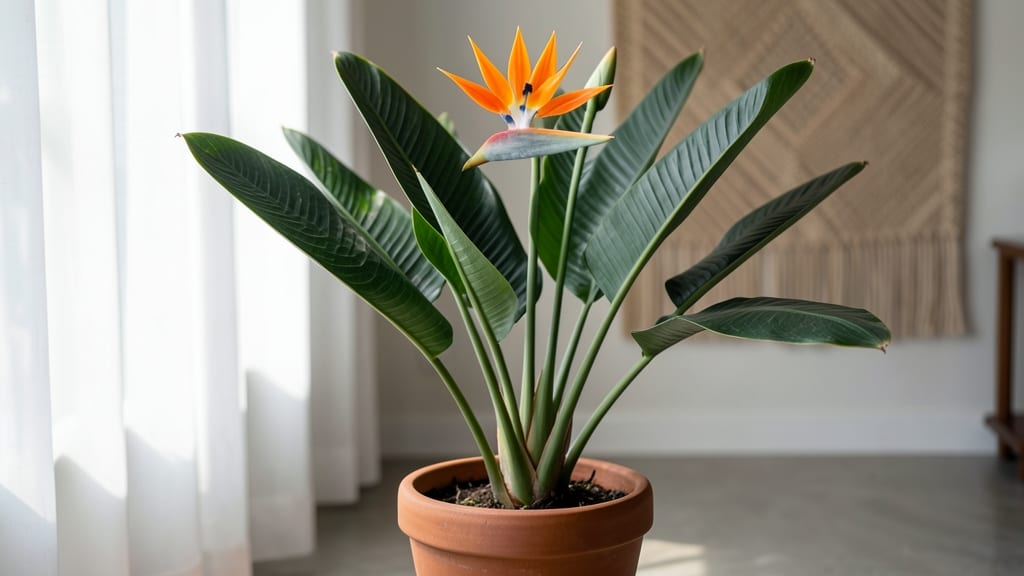
Growing indoor white bird of paradise means bringing that dramatic tropical look into your home without harsh sunlight. 🌿 I’ve nurtured mine for years, and the secret lies in mimicking its natural understory habitat—bright, indirect light and just the right amount of moisture.
The key isn’t complexity; it’s consistency in care that keeps those striking white blooms coming.
Start with well-draining potting mix and a container with drainage holes—this plant hates soggy roots. Water when the top inch of soil feels dry, and keep humidity high (a pebble tray or humidifier works wonders).
Prune yellow or damaged leaves promptly, and fertilize lightly during spring and summer. With patience, you’ll see those iconic blooms emerge, adding a touch of exotic elegance to any room.
📚 In This Guide
- What you need
- Instructions
- Tips and common mistakes
- Wrapping up and next steps
What you need
- ● Plant: 1 White bird of paradise (Strelitzia nicolai) plant (potted or bare-root)
- ○ Optional: A mature plant (18"+ tall) for instant tropical vibes
- ● Container: 1 12–16" diameter pot with drainage holes (terracotta or ceramic preferred)
- ○ Optional: A decorative cache pot (1–2" larger) for aesthetics
- ● Soil: 1 5-gallon bag of well-draining potting mix (e.g., African violet mix or cactus/succulent blend + perlite)
- ○ Optional: 1 cup perlite or pumice (for extra aeration)
- ● Tools: 1 Garden trowel (for repotting)
- ● 1 Watering can with a rose attachment (for gentle hydration)
- ○ Optional: Pruning shears (for shaping or trimming)
- ● ✅ A bright, indirect-light spot (e.g., near an east or north-facing window, or under grow lights)
- ● ✅ Room temperature (65–80°F)—avoid drafts or cold windowsills
- ● ✅ Patience! These beauties grow slowly but reward you with stunning foliage over time.
Step-by-step instructions for growing white bird of paradise indoors
Here's how to nurture this striking tropical plant without needing harsh sunlight.
🪴 Step 1: Choose the Right Container and Soil Mix
Start with a 12-14 inch diameter pot—white bird of paradise (Strelitzia nicolai) needs room for its rhizomatous roots. I like terracotta because it breathes and prevents root rot, but any container with drainage holes works. The soil should be lightweight and well-draining: mix equal parts potting mix, perlite, and orchid bark for perfect aeration.
Fill the pot about half full with your mix, then tap the container gently to settle the soil. This prevents compaction that could suffocate roots. The plant thrives in slightly acidic to neutral soil, so avoid heavy garden soil—it compacts and holds too much moisture.
☀️ Step 2: Position for Bright, Indirect Light
Place your plant near a bright, east-facing window where it gets 4-6 hours of filtered sunlight daily. Direct sun will scorch the leaves, while too little light causes leggy growth. If your home lacks natural light, supplement with a grow light kept 12-18 inches away for 12-14 hours per day.
Rotate the pot quarter-turn weekly so the plant grows evenly. You'll notice new leaves emerging toward the light—this is normal, but if they stretch excessively, move the plant closer to the light source or increase grow light hours.
💧 Step 3: Water Deeply and Maintain Moisture
Water when the top 2-3 inches of soil feel dry to the touch. Stick your finger in—if it comes out clean, it's time to water. I use room-temperature water and pour until it drains freely from the bottom. Empty the saucer after 10-15 minutes to prevent soggy roots.
White bird of paradise likes humidity, so mist the leaves 2-3 times weekly or place the pot on a pebble tray with water. You'll see the leaves glisten slightly after misting—that's your cue it's happy. Avoid letting water sit on the leaves for long, though, as it can cause fungal issues.
✂️ Step 4: Prune and Fertilize for Healthy Growth
Prune yellow or damaged leaves at the base with clean, sharp scissors. This encourages new growth and keeps the plant looking tidy. If the plant outgrows its pot (usually after 2-3 years), repot in spring using the same soil mix and a container 2-4 inches larger.
Feed with a balanced liquid fertilizer (10-10-10) every 4-6 weeks during spring and summer. Reduce feeding in fall and winter—this plant grows slower in cooler months. You'll notice lush, vibrant new leaves within 4-6 weeks of consistent feeding and proper light.
🌿 Step 5: Monitor for Pests and Adjust Care
Check leaves weekly for spider mites or mealybugs, common pests that thrive in dry conditions. Wipe leaves with a damp cloth monthly to remove dust and deter pests. If you spot pests, treat with neem oil (mix 1 tsp per quart of water) and spray until leaves are damp.
Watch for drooping leaves—this usually means underwatering, but if the soil stays soggy, it could signal root rot. Adjust your watering schedule based on the plant's response: healthy leaves should stand upright and feel firm to the touch.
Tips & tricks for perfect indoor white bird of paradise care
Here's what nobody tells you about keeping your tropical beauty thriving indoors—without the guesswork.
Container and Soil Secrets: The 12-14 inch pot size is non-negotiable for this plant's root system. If you're using a smaller container, you'll notice stunted growth within months. For the soil mix, I swear by adding a handful of coconut coir to the equal parts potting mix, perlite, and orchid bark—it helps retain just enough moisture without compacting. Tap the soil gently after filling half the pot to eliminate air pockets that could suffocate roots.
Lighting Hacks: That 4-6 hours of filtered sunlight is crucial—if your east-facing window doesn't get enough light, supplement with a LED grow light on a timer for 12-14 hours daily. I've seen dramatic improvements when I moved my plant closer to the grow light after noticing the leaves stretching toward the window. Pro tip: Place a piece of white paper under the pot to reflect light upward—it can make a noticeable difference in leaf color.
Watering Wisdom: The finger test for the top 2-3 inches of soil is foolproof, but here's the trick: water until you see it freely draining from the bottom holes. After 10-15 minutes, empty that saucer—this prevents root rot while keeping humidity high. For extra humidity, I place my pot on a pebble tray filled with water and add a few ice cubes to keep the water cool, which mimics the plant's natural tropical environment.
Fertilizer Timing: Those 4-6 weeks between feedings during spring and summer are perfect, but here's what I do differently: I split the dose into two applications—half when I plant it and half again 3 weeks later. This prevents fertilizer burn while still giving the plant consistent nutrition. In fall and winter, I cut back to every 8-10 weeks since growth naturally slows down.
Pro Tips for Indoor White Bird Of Paradise
- Here's what nobody tells you about keeping your tropical beauty thriving indoors—without the guesswork.
- Container and Soil Secrets: The 12-14 inch pot size is non-negotiable for this plant's root system.
- Lighting Hacks: That 4-6 hours of filtered sunlight is crucial—if your east-facing window doesn't get enough light, supplement with a LED grow light on a timer for 12-14 hours daily.
Frequently asked questions
Got questions about keeping your indoor white bird of paradise thriving? You’re not alone! Here are answers to the most common queries to help you care for this stunning tropical beauty with confidence.
How often should I water my indoor white bird of paradise?
Water your plant when the top 1–2 inches of soil feel dry to the touch—usually every 1–2 weeks, depending on humidity and light. Overwatering is the #1 killer, so always use a pot with drainage holes and let excess water drain away. Pro tip: Stick your finger in the soil to avoid guesswork!
Why are the leaves turning yellow?
Yellow leaves often signal overwatering or poor drainage. Check the roots—if they’re mushy or the pot feels soggy, reduce watering and repot in fresh, well-draining soil. Brown tips? It might be low humidity or fluoride in tap water. Try misting leaves or using distilled water to test.
Can I grow a white bird of paradise in low-light conditions?
While they prefer bright, indirect light, they can survive in medium light (like near a north-facing window). Avoid dim corners—leggy growth or sparse foliage means they’re light-deprived. If possible, supplement with a grow light 12–14 hours daily for happier plants.
What’s the best soil mix for this plant?
Use a well-draining mix like 50% peat or coco coir + 30% perlite/pumice + 20% orchid bark. Avoid heavy garden soil—it compact and suffocates roots. For extra airflow, add a handful of charcoal to prevent rot. Repot every 2–3 years or when roots crowd the pot.
How do I deal with pests like spider mites or mealybugs?
Start with a neem oil spray (mix 1 tsp neem oil + 1 tsp mild soap + 1 quart water). Spray undersides of leaves and stems, then isolate the plant for 3–5 days. For severe infestations, wipe leaves with a 70% isopropyl alcohol damp cloth. Prevent pests by keeping humidity moderate and dusting leaves regularly.
What’s the ideal temperature range for indoor growth?
Aim for 65–80°F (18–27°C) during the day and no lower than 55°F (13°C) at night. Drafts, AC vents, or cold windows can shock the plant. If your home dips below 50°F (10°C), move it away from windows or use a space heater nearby (keep it 2+ feet away).
Wrapping up and next steps
Bringing the indoor white bird of paradise into your home isn’t just about adding a touch of tropical beauty—it’s about creating a thriving, low-maintenance centerpiece that flourishes without harsh sunlight.
With the right pot, soil, and care routine, this stunning plant can reward you with lush foliage and occasional blooms for years to come.
Whether you’re a seasoned plant parent or just starting your indoor garden, this guide gives you the confidence to nurture your white bird of paradise like a pro.
Ready to take the next step? Start with a healthy plant, set up its ideal growing spot, and monitor its needs—soon, you’ll be enjoying its vibrant, carefree elegance! 🌿✨