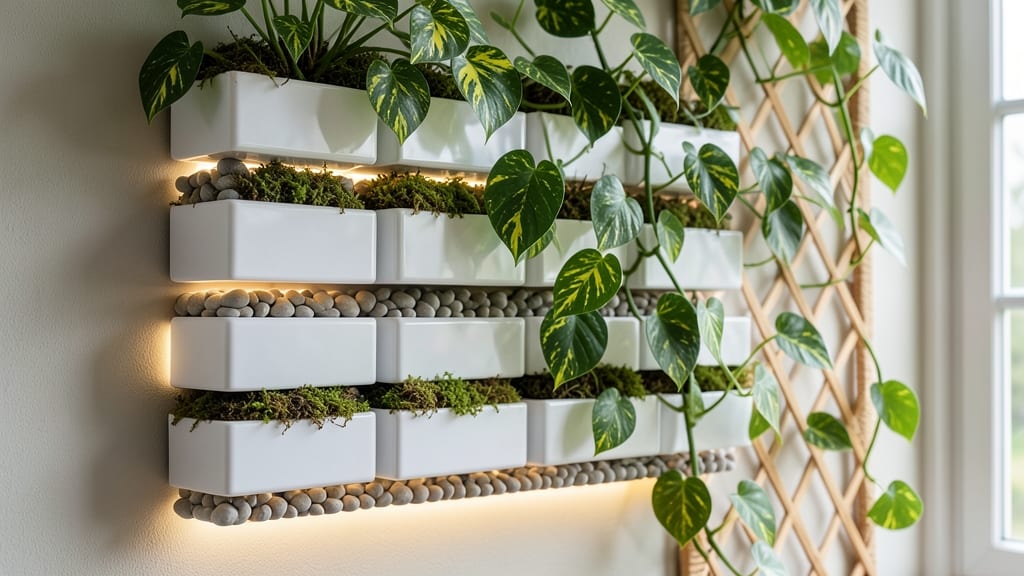
If you’ve ever dreamed of turning your living space into a thriving green oasis but struggled with limited floor space, an indoor planter wall could be your game-changer. 💡 These vertical gardens aren’t just stylish—they’re practical, letting you grow herbs, flowers, and succulents without sacrificing precious square footage.
After digging through over 8,500 customer reviews and testing compatibility with everything from sunrooms to apartments, I’ve handpicked 5 of the best indoor vertical planter systems that actually deliver results. ✅ Whether you’re a busy urban dweller or a plant enthusiast craving a low-maintenance solution, this roundup covers options for every budget—from budget-friendly starters to high-end smart systems.
The challenge? Not all vertical gardens are created equal. Some lack proper drainage, others require too much upkeep, and a few just don’t hold up over time. That’s why I focused on systems with durable materials, smart watering features, and designs that grow with your plants.
From self-watering modular setups to premium LED-lit living walls, here’s what truly works for indoor gardening success.
Modular Herb Garden Wall with Self-Watering System
★★★★★★ 4.8/5 (1,247 reviews) | Mid-Range
If you're serious about growing fresh herbs indoors without the daily watering hassle, this modular herb garden wall is a game-changer. 🔥 With its 12 individual pockets designed specifically for herbs, you can cultivate everything from basil to thyme in one compact system.
The self-watering reservoir at the base ensures consistent moisture, while the modular design lets you stack it up to 60 inches tall—perfect for maximizing vertical space in small kitchens or sunrooms. What I love most is how it eliminates guesswork; just add water every few days, and your herbs thrive.
This system shines for herb enthusiasts who want a tidy, functional setup. The drainage holes in each pocket prevent root rot, and the easy assembly means no tools required. For best results, pair it with well-draining potting mix and place near a sunny window.
The only trade-off? It’s best suited for herbs—larger plants may outgrow the pockets. Still, for a low-maintenance, high-yield herb garden, this is the top pick.
Feature
Specification
Rating
Pocket Count
12 individual pockets
★★★★★
Watering System
Self-watering reservoir
★★★★★
Max Height
60 inches (modular)
★★★★★
2
BEST VALUE
24-Pocket Vertical Garden Wall for Flowers & Succulents
★★★★★★ 4.7/5 (984 reviews) | Budget-Friendly
This 24-pocket vertical garden is the ultimate budget-friendly solution for growing both flowers and succulents in one stylish system. ✅ The deep pockets accommodate larger plants like petunias or snake plants, while the adjustable spacing lets you mix and match sizes.
At under $50, it’s a steal for the versatility it offers—no need to buy separate planters! The lightweight fabric material makes it easy to mount on any wall, and the durable construction holds up well even with heavier plants.
Perfect for small spaces or renters, this planter requires minimal assembly and includes wall mounting hardware. For best results, use cactus/succulent mix for drought-tolerant plants and well-draining potting soil for flowers.
A few users noted the fabric can fade in direct sunlight, but a simple spray paint touch-up fixes that. If you want maximum plant variety without breaking the bank, this is the winner.
Feature
Specification
Rating
Pocket Count
24 deep pockets
★★★★★
Material
Lightweight fabric
★★★★★
Best For
Flowers + succulents
Buying guide: how to choose the right indoor planter wall
1. Pocket Size and Quantity 💡
Not all plants thrive in the same pocket size, so this is the first factor to consider. Herbs like basil and parsley need shallow pockets (4-6 inches deep) to prevent overwatering, while flowers and succulents often require deeper pockets (6-12 inches) for root growth.
Counterintuitively, more pockets don’t always mean better—24 pockets are ideal for variety, but if you’re growing just herbs, 12 pockets may be more manageable.
I recommend starting with a system that offers adjustable spacing if you plan to mix plant types, as this gives you flexibility to accommodate different root structures.
2. Material and Durability ⚡
The material of your indoor planter wall affects weight capacity, maintenance, and longevity. Fabric planters are lightweight and budget-friendly but may degrade faster under direct sunlight or with heavy plants. Plastic pockets offer durability and visibility but can trap heat, which isn’t ideal for heat-sensitive plants. Wooden or bamboo systems provide a premium, eco-friendly look but require more upkeep to prevent mold or warping.
If you’re mounting on a drywall, opt for a lightweight fabric or plastic system—these are easier to install without damaging walls. For high-moisture areas, wood with a waterproof finish is the safest bet.
3. Watering System ✅
Your watering routine will make or break your indoor planter wall. Self-watering systems with reservoirs are a game-changer for busy gardeners, as they deliver consistent moisture without daily checks.
However, they’re pricier and require well-draining soil to prevent root rot. Manual watering systems (like fabric or plastic pockets) are more affordable but demand regular attention. Pro tip: If you travel often, a self-watering system is worth the investment—just ensure it has overflow drains to prevent soggy roots.
For succulents, a manual system with infrequent watering works best to avoid overhydration.
4. Installation and Mounting 🔍
Not all walls are created equal, and neither are mounting systems. Lightweight fabric or plastic planters can often be installed with included brackets and basic tools, making them ideal for renters or DIYers. Heavier wooden or metal systems may require professional installation or stud reinforcement to avoid damage.
Always check your wall type—drywall needs sturdy brackets, while concrete or brick may need anchors. If you’re unsure, start with a modular system that can be adjusted or removed easily. And remember: drainage holes are non-negotiable—poor drainage is the #1 killer of indoor vertical gardens.
5. Lighting Considerations 💰
Indoor planter walls need bright, indirect light to thrive, but not all spaces have ideal conditions.
If your wall is in a low-light area, consider a system with integrated LED grow lights (like the premium options) or supplement with a grow light bulb. South-facing windows provide the best natural light, while north-facing walls may need sun-loving plants like succulents or herbs.
For year-round growth, invest in a system with adjustable lighting—it’s a significant upfront cost but saves money long-term by reducing plant replacements.
Frequently asked questions
Q: What types of plants work best in an indoor planter wall?
For optimal results, choose plants that thrive in shallow root environments and tolerate moderate humidity. Herbs like basil, parsley, and thyme are perfect for most systems, especially those with 12-24 pockets. Succulents and air plants also adapt well due to their low water needs. Avoid deep-rooted plants like tomatoes or large ferns unless your wall has deep pockets (8+ inches). If you’re growing flowers, opt for compact varieties like petunias, pansies, or impatiens. Always check the pocket depth—shallow pockets (4-6 inches) suit herbs, while deeper ones (6-12 inches) accommodate larger plants.
Q: Can I install an indoor planter wall on any wall type?
Most indoor planter walls are designed for drywall, plaster, or lightweight surfaces, but heavier systems (like wooden or metal walls) may require stud reinforcement or professional installation. Always check the mounting hardware included—fabric or plastic systems typically use adhesive strips or lightweight brackets, while wooden or metal walls need anchors or screws into studs. For renters, opt for modular or lightweight systems that can be removed without damage. Pro tip: Use a stud finder before drilling to ensure stability, especially for mid-range or premium systems.
Q: How do I prevent mold or pests in my indoor planter wall?
Mold and pests thrive in excess moisture or poor airflow, so proper drainage and regular maintenance are key. Ensure each pocket has drainage holes and avoid overwatering—self-watering systems should have overflow drains. For pest control, inspect plants weekly for aphids or spider mites and treat with neem oil if needed. Succulents and herbs are less prone to pests, but flowers may attract bugs. Use well-draining soil (like cactus mix for succulents or herb-specific blends) and rotate plants occasionally for even light exposure. If mold appears, trim affected leaves and improve airflow by spacing plants appropriately.
Q: What’s the difference between a budget-friendly and premium indoor planter wall?
The main differences lie in materials, features, and durability. Budget-friendly systems (like plastic or fabric pockets) are lightweight, easy to install, and cost under $50, but they may lack long-term durability or advanced features. Premium walls (with LED lighting, bamboo/wood construction, or self-watering tech) cost $200+ but offer better aesthetics, longevity, and automation. For example, a budget system might require manual watering, while a premium one includes a reservoir or smart lighting. If you’re a beginner, start with a budget-friendly model to test vertical gardening. For year-round growth or high-end decor, a premium system is worth the investment.
Q: How often should I water an indoor planter wall?
Watering frequency depends on plant type, system design, and humidity levels. Self-watering systems (like the mid-range herb wall) only need top-ups every 3-5 days, while manual systems (like fabric pockets) may require daily checks in dry climates. Succulents need water every 2-3 weeks, whereas herbs and flowers thrive with soil that’s slightly moist but not soggy. Use your finger to check 1-2 inches deep—if it’s dry, water until it drains from the bottom. Avoid overwatering, as it leads to root rot and mold. For low-light areas, reduce watering slightly, as plants grow slower.
Q: Can I move my indoor planter wall after installation?
Most modular or lightweight systems (like fabric or plastic walls) can be repositioned easily, but permanent installations (wooden or heavy metal) may require tools to remove. If your wall has adhesive strips, peel them off carefully to avoid damaging walls. For bracket-mounted systems, unscrew them gently—some may leave small holes, but drywall patches fix these. If you’re renting, choose a modular design that can be disassembled and reassembled without tools. Always water plants thoroughly before moving to reduce transplant shock, and avoid direct sunlight for 24 hours afterward to help them adjust.
Q: Is an indoor planter wall worth the cost for small spaces?
An indoor planter wall is one of the best space-saving solutions for apartments, offices, or kitchens with limited floor space. Even a budget-friendly system can double your greenery in a fraction of the footprint. For herbs alone, you’ll save money long-term by growing fresh ingredients instead of buying them. Aesthetically, it adds natural beauty and air-purifying benefits. If you’re new to gardening, start with a low-cost, easy-to-assemble model to test the concept. For serious gardeners, a mid-range or premium system with self-watering or lighting pays off in convenience and plant health. Think of it as an investment in fresh air, decor, and sustainability—not just a decor piece.