
Pruning
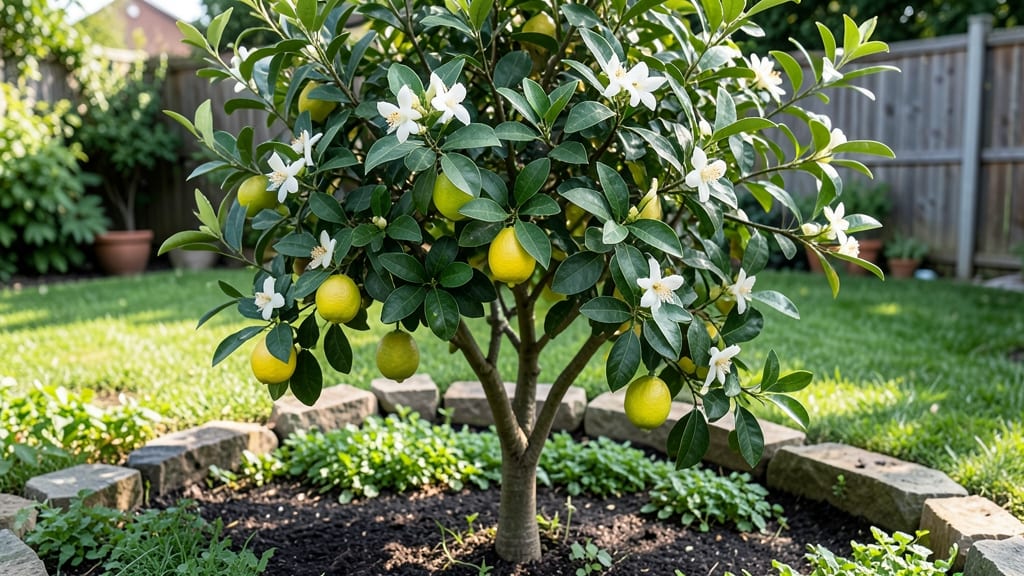
Your indoor lemon tree can produce fruit year-round with the right care—pruning is the secret weapon. 🌿 I’ve watched my Meyer lemon tree go from a sad store-bought sapling to a bursting-with-fruit centerpiece, and the difference comes down to three simple pruning tricks that keep it healthy, compact, and productive.
The biggest mistake? Treating it like an outdoor citrus tree. Indoor lemon trees need bright, indirect light (south-facing windows work best), water when the top inch of soil is dry, and a well-draining potting mix. Overwatering is the #1 killer—yellow leaves? You’re probably drowning the roots.
Once you master the pruning rhythm—trim back leggy growth in early spring, shape after harvest, and clean up dead branches—you’ll see new blooms within weeks.
The fruit starts small but grows sweeter with each passing month, and the scent of lemon blossoms turns your home into a mini orchard. Even in small apartments, this works. Just rotate the pot occasionally so all sides get light, and watch your tree thrive like a pro’s.
📚 In This Guide
- What you need
- Instructions
- Tips and common mistakes
- Wrapping up and next steps
What you need
- ● Pot: 1–2 gallon container with drainage holes (terracotta or ceramic preferred). Pro tip: Upgrade to a 3–5 gallon pot as your tree grows!
- ● Well-draining potting mix: 1 bag (5–10 lbs) of citrus-specific or cactus/succulent blend mixed with perlite or pumice (ratio: 60% soil, 40% amendments).
- ● Pruning tools: 1 pair of bypass pruners (for clean cuts on small branches).
- ● 1 sterilized pruning saw (for thicker branches, ½" diameter or larger).
- ● 1 sharp pair of scissors (for trimming leaves or delicate cuts).
- ● Fertilizer: 1 bottle of balanced citrus fertilizer (e.g., 6-6-6 or 8-3-9 NPK ratio) or organic options like fish emulsion.
- ● Watering can: 1 with a narrow spout for precise hydration.
- ● Spray bottle: 1 for misting leaves (especially in dry climates).
- ● Gloves: 1 pair of gardening gloves (to protect from sap and thorns).
- ● 1 humidity tray or pebble tray to boost moisture levels.
- ● 1 grow light (LED or fluorescent) for low-light spaces (12–16 hours/day).
- ● 1 pH test kit to monitor soil acidity (ideal range: 6.0–7.0).
- ● 1 rooting hormone if propagating from cuttings.
- ● 1 tree support stake (for young or top-heavy trees).
How to prune your indoor lemon tree for maximum fruit
Here’s how I keep my lemon tree thriving indoors—these three pruning tricks boost fruit production and keep the tree healthy year-round.
✂️ Step 1: Prune for Airflow and Light in Early Spring
Start pruning in late winter or early spring before new growth begins. Remove any dead, crossing, or crowded branches first—these compete for energy and block sunlight. I always use clean, sharp pruners to avoid tearing the bark, which invites disease. Look for branches growing inward or rubbing against others; these need to go immediately.
Next, trim back any leggy growth that’s stretching toward the light. Cut just above a leaf node where new buds form—this encourages bushier, fruit-bearing growth. Aim to open up the center of the tree so light reaches all branches. You’ll see new, vibrant shoots emerge within 4-6 weeks as the tree redirects energy to healthier growth.
🌿 Step 2: Encourage Fruit Production by Trimming Flower Clusters
After your tree flowers, you’ll notice clusters of tiny white blossoms. Here’s the trick: thin the flowers so the tree can focus its energy on fewer, larger fruits. Remove all but 3-5 flowers per cluster—too many flowers mean small, underdeveloped lemons later. Use your fingers to gently twist off excess blooms rather than cutting; this prevents stress to the branch.
Watch for any flower clusters growing on old wood (branches older than 2-3 years). These rarely produce fruit, so prune them back to encourage new growth on younger branches. After thinning, water deeply to help the tree recover. You’ll see fruit set within 8-12 weeks, and the remaining lemons will be noticeably larger and juicier.
⏰ Step 3: Light Prune for Shape and Maintenance Year-Round
Throughout the year, do light maintenance pruning to keep your tree shaped and manageable. Trim any branches that grow too long or become unruly—cut just above a leaf node to promote branching. I also remove any suckers (shoots growing from the base or trunk) to direct energy upward. These small adjustments prevent the tree from becoming top-heavy and ensure even growth.
In late summer or early fall, give your tree a final light prune to remove any spent fruit clusters or damaged leaves. This keeps the tree tidy and prepares it for winter. Avoid heavy pruning during dormancy—your tree needs its energy to rest. With consistent care, you’ll have a compact, fruit-bearing lemon tree that fits beautifully indoors while producing dozens of lemons per year.
Tips & tricks for perfect indoor lemon tree pruning
A few simple tricks will help you avoid common mistakes and maximize your tree's fruit production.
Tool Selection: Invest in a good pair of bypass pruners—they make cleaner cuts than anvil pruners, which can crush stems. For thicker branches, use clean, sharp loppers. Always sterilize your tools with rubbing alcohol before and after pruning to prevent disease spread. I keep a small bottle of alcohol in my gardening toolkit for quick sanitization between cuts.
Seasonal Timing: The late winter/early spring timing in Step 1 is critical because it coincides with your tree's dormancy period. Pruning during dormancy minimizes stress and allows the tree to direct energy toward new growth. If you miss this window, you can do light pruning in late summer, but avoid heavy pruning during winter dormancy—this can stimulate new growth that won't survive cold temperatures.
Visual Growth Cues: In Step 2, when thinning flower clusters, look for clusters where the stems are growing directly from the main branch rather than from older wood. These younger clusters will produce fruit more reliably. Also watch for new shoots emerging from leaf nodes after pruning—these indicate successful energy redirection. In Step 3, aim to maintain a shape where light can reach all branches, even the inner ones.
Recovery Care: After any significant pruning, give your tree extra attention. Water deeply immediately after pruning to help the tree recover. Place it in a bright location with indirect sunlight for a few days to reduce stress. You'll notice new growth appearing within 4-6 weeks if the pruning was successful—look for fresh green shoots at the leaf nodes where you made cuts.
Pro Tips for Indoor Lemon Tree Care
- A few simple tricks will help you avoid common mistakes and maximize your tree's fruit production.
- Tool Selection: Invest in a good pair of bypass pruners—they make cleaner cuts than anvil pruners, which can crush st...
- Seasonal Timing: The late winter/early spring timing in Step 1 is critical because it coincides with your tree's dorm...
Frequently asked questions
Got questions about keeping your indoor lemon tree thriving? We’ve got answers! Here are some of the most common concerns—plus quick fixes to keep your citrus buddy happy and productive.
How often should I water my indoor lemon tree?
Water your lemon tree when the top 1–2 inches of soil feel dry. Overwatering is the #1 killer—stick your finger in the soil to check! In winter, reduce watering to every 2–3 weeks, as growth slows. Pro tip: Use a pot with drainage holes to prevent root rot.
When is the best time to prune my lemon tree for fruit?
Prune in late winter or early spring (just before new growth starts) to shape the tree and encourage fruiting. Avoid heavy pruning in fall or winter, as it can stress the plant. Focus on removing dead wood, crossing branches, and thinning dense areas to improve airflow.
Why isn’t my lemon tree producing fruit?
Lemon trees need sunlight (6+ hours daily), consistent care, and patience—they often take 2–3 years to bear fruit indoors. Check for these red flags: low light, overcrowded pots, or lack of pollination (gently shake branches to help). If it’s been years with no fruit, it might need a bigger pot or more sunlight.
Can I grow a lemon tree from a store-bought lemon?
Yes! Save the seeds from a ripe lemon, rinse them, and plant them in moist soil. Germination takes 2–4 weeks. But here’s the catch: Seed-grown trees rarely produce true lemons (they’re more decorative). For fruit, buy a grafted tree from a nursery.
What pests should I watch for on my indoor lemon tree?
Keep an eye out for spider mites (tiny webs), scale insects (brown bumps), and aphids (sticky residue). Wipe leaves with soapy water or use neem oil for mild infestations. Quarantine new plants to avoid spreading pests!
How do I care for my lemon tree in winter?
Reduce watering, move it near a sunny window, and avoid drafts. If temps drop below 50°F (10°C), keep it away from cold windows. Dormancy is normal—don’t fertilize heavily until spring. A humidifier nearby helps prevent dry air stress.
Wrapping up and next steps
Growing a thriving indoor lemon tree is totally within reach—just remember these 3 pruning secrets: timing, shape, and light exposure. With patience and the right techniques, you’ll enjoy fragrant blooms and zesty lemons year-round. 🍋✨
Ready to take the next step? Grab your pruning shears and schedule that first trim—your future harvest is just a few snips away! Need a refresher? Bookmark this guide and revisit it before your next pruning session.