Container Gardens
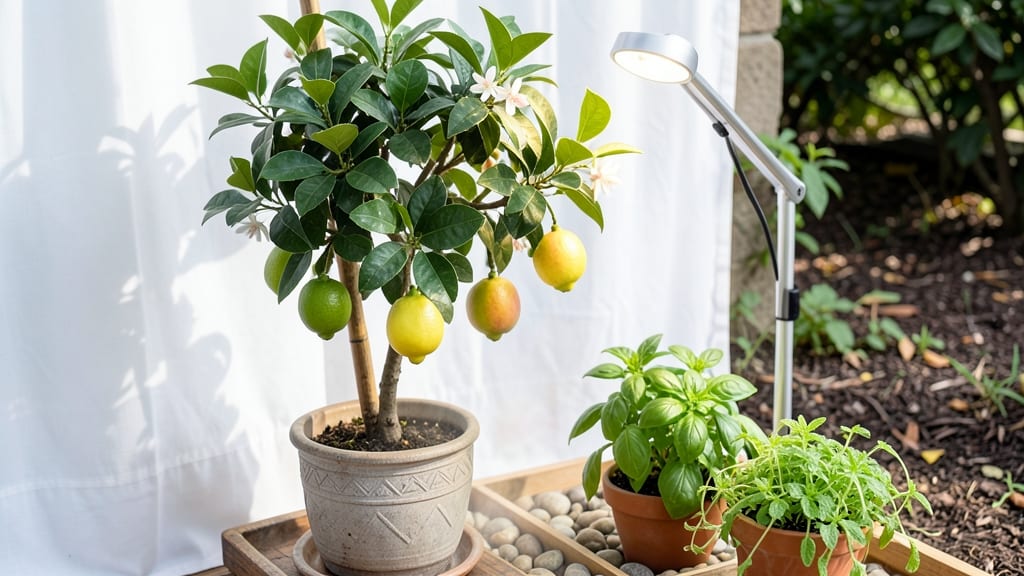
Growing fruit indoors means fresh berries and citrus in any season—no backyard needed. 🌱 I’ve turned my living room into a mini orchard, and the key is choosing the right compact varieties (like dwarf Meyer lemons or alpine strawberries) that thrive in containers.
The first step is matching light: a south-facing window or a basic LED grow light keeps plants happy without taking over your space.
You’ll need pots with drainage, well-draining potting mix, and a humidity tray to mimic their natural environments. Most indoor fruits prefer temperatures between 60-75°F and consistent moisture—never let the soil dry out completely.
Fertilize lightly every 4-6 weeks with a balanced formula, and prune leggy growth to encourage bushier, fruitier plants.
By summer, you’ll be harvesting sweet, homegrown fruit that outshines anything store-bought. The dwarf citrus trees produce tiny lemons perfect for cocktails, while strawberries deliver berries all year. Even herbs like mint or lemon balm can join the mix for a fragrant, productive corner.
Watch for pests like spider mites (wipe leaves with soapy water) and nutrient deficiencies (yellow leaves mean it’s time to feed). With the right setup, your indoor garden will keep producing long after outdoor seasons end—no green thumb required, just patience and a little sunlight.
📚 In This Guide
- What you need
- Instructions
- Tips and common mistakes
- Wrapping up and next steps
What you need
- ● Containers: 2–4 drainage holes (critical for root health!)
- ● Size: 5–10 gallons (bigger = better for fruit trees like dwarfs)
- ● Materials: Terracotta, fabric grow bags, or plastic (avoid metal)
- ● Growing Medium: 1 part potting soil (lightweight, well-draining)
- ● 1 part perlite or vermiculite (20–30% of mix for aeration)
- ● 1 part compost or worm castings (for nutrients)
- ● Fruit Plants: Dwarf varieties (e.g., Patio Lemon, Meyer Lemon, or Columnar Apple)
- ● Container-friendly herbs/fruits: Strawberries, Blueberries, or Dwarf Citrus
- ● Grow Lights: LED grow lights (12–16 hrs/day) (full-spectrum for fruiting)
- ● Distance: 6–12 inches above plants
- ● Support Structures: Small trellis, stake, or cage (for vining plants like strawberries)
- ● Humidity Tray (pebble tray + water for tropical fruits)
- ● pH Test Kit (aim for 6.0–7.0 for most fruits)
- ● Slow-Release Fertilizer (balanced 10-10-10 or organic options)
- ● Pollination Aid (small paintbrush to hand-pollinate if no bees)
- ● Self-Watering System (for forgetful growers!)
Step-by-step guide to indoor fruit growing
Ready to grow your own fruit indoors? Here's the straightforward method I use to keep compact fruit plants thriving year-round.
🌱 Step 1: Select Compact Fruit Varieties and Containers
Choose dwarf or patio varieties like dwarf citrus, mini apple trees, or strawberry plants designed for container growing. These stay small enough for indoor spaces while still producing fruit. I prefer 6-12 inch diameter pots with drainage holes—larger roots need more space, but these compact varieties thrive in smaller containers.
Use lightweight containers with handles for easy movement. Terra cotta pots help regulate moisture, but plastic retains warmth better for tropical fruits. The key is balancing root space with your indoor growing area—most compact fruit plants need at least 3-4 inches of soil depth to support their root systems without becoming root-bound.
🪴 Step 2: Prepare Well-Draining Potting Mix
Never use garden soil—it compacts and suffocates roots. Instead, mix 50% premium potting mix with 30% perlite or vermiculite and 20% compost for drainage and nutrients. This blend prevents soggy soil while providing the organic matter fruit plants crave. I like to add a handful of orchid bark for extra aeration, especially for citrus.
Fill the pot to 1 inch below the rim to prevent spills when watering. Tap the container gently on the table to settle the mix without compacting it. The surface should look fluffy but firm enough to support the plant's weight. For tropical fruits, I add a slow-release fertilizer to the mix at planting time—this gives them a steady nutrient supply without frequent feeding.
☀️ Step 3: Position for Optimal Light Exposure
Most fruit plants need 6-8 hours of bright, indirect light daily. South-facing windows work best, but if your space is north-facing, supplement with a grow light positioned 6-12 inches above the plants. I use full-spectrum LED lights on a 14-hour day/10-hour night cycle to mimic natural sunlight patterns.
Rotate the pot a quarter turn weekly so the plant grows evenly toward the light source. You'll notice leaves stretching toward the window? That's a sign your plant needs more light—move it closer or add a grow light immediately. Tropical fruits like citrus also appreciate humidity, so I place a tray of water with pebbles nearby to increase moisture in the air.
💧 Step 4: Water and Maintain Proper Humidity
Water when the top inch of soil feels dry. Overwatering is the fastest way to kill container-grown fruit plants. I use the "finger test"—stick your finger 1 inch into the soil. If it feels dry, water thoroughly until it runs out the drainage holes. Empty the saucer afterward to prevent root rot.
Mist the leaves 2-3 times weekly, especially for tropical varieties. A pebble tray under the pot adds extra humidity without soggy soil. I also wipe leaves with a damp cloth monthly to remove dust—clean leaves absorb light more efficiently. The right moisture balance keeps fruit firm and prevents common issues like blossom end rot in tomatoes or citrus.
✂️ Step 5: Prune and Encourage Fruit Production
Prune leggy growth to encourage bushier, more productive plants. I trim back 1/3 of the longest stems in early spring to redirect energy toward fruiting. For citrus, I remove any suckers growing from the base—they drain energy from fruit production. Always use clean, sharp pruners to avoid damaging the plant.
Pinch off early flowers if your plant looks stressed—it's better to have fewer, larger fruits. I also fertilize monthly with a balanced, water-soluble fertilizer during the growing season. Reduce feeding in winter when growth slows naturally. The goal is steady, moderate growth—not rapid, weak stems that can't support fruit.
Tips & tricks for perfect indoor fruit growing
These game-changing insights will help you transform your indoor space into a thriving fruit garden—no greenhouse required.
Variety Selection: When choosing compact fruit varieties, prioritize those bred specifically for containers like dwarf Meyer lemons or columnar apple trees. These varieties stay manageable while producing fruit, unlike larger trees that outgrow indoor spaces quickly. I've found that dwarf citrus varieties often yield fruit within 2-3 years, while apple trees may take 3-5 years—plan your patience accordingly based on what you want to harvest first.
Container Strategy: The 6-12 inch diameter pot recommendation isn't arbitrary—it's the sweet spot for most compact fruit varieties. For citrus, I use 10-12 inch pots to accommodate their slightly larger root systems, while strawberries thrive in 6-8 inch containers. Remember that wider pots provide more root space, but deeper pots (at least 3-4 inches) are crucial for stability and drainage. Consider adding saucers with drainage holes if your containers don't have them built-in.
Light Optimization: Those critical 6-8 hours of light can be tricky indoors. If natural light is insufficient, invest in a quality LED grow light on a timer—your plants will thank you with healthier growth. I've noticed that plants under grow lights often develop slightly darker green leaves, which is normal and indicates they're getting the light spectrum they need. For maximum efficiency, position grow lights just 6-12 inches above the plants and adjust as they grow.
Seasonal Adjustments: The 14-hour day/10-hour night cycle mimics summer conditions perfectly, but you'll need to adjust this in winter. During shorter daylight hours, extend the grow light period to maintain this ratio. I also reduce watering frequency by about 30% in winter since indoor heating typically dries out the air more. Watch your plants closely—they'll tell you when they need adjustments through their growth patterns and leaf color.
Pro Tips for Indoor Fruit Growing
- These game-changing insights will help you transform your indoor space into a thriving fruit garden—no greenhouse required.
- Variety Selection: When choosing compact fruit varieties, prioritize those bred specifically for containers like dwarf Meyer lemons or columnar apple trees.
- Container Strategy: The 6-12 inch diameter pot recommendation isn't arbitrary—it's the sweet spot for most compact fruit varieties.
Frequently asked questions
Got questions about indoor fruit growing?
You’re not alone! Here are answers to the most common concerns—from setup to harvest—so you can grow with confidence.
What’s the easiest fruit to grow indoors for beginners?
Start with strawberries or dwarf citrus trees (like Meyer lemons). Both thrive in containers, need minimal space, and forgive beginner mistakes. Herbs like mint (technically a fruit!) are also low-maintenance and fast-growing.
How long does it take for indoor fruit plants to bear fruit?
Timelines vary: strawberries may fruit in 3–6 months, while citrus trees can take 1–3 years. Dwarf fruit trees (like apples or peaches) often need 2–5 years. Patience pays off—choose fast varieties (like Alpine strawberries) if you want quicker rewards!
Can I grow fruit indoors without natural sunlight?
Yes! Use a grow light (LED or fluorescent) for 12–16 hours daily. Position lights 6–12 inches above plants. South-facing windows work too, but supplement with artificial light in winter for consistent growth.
What should I do if my indoor fruit plant has pests?
Isolate the plant first! Spider mites and aphids are common. Spray with neem oil (mix 1 tsp with 1 quart water) or wipe leaves with soapy water. Increase humidity (pests hate it!) and check undersides of leaves regularly.
What’s the best container size for indoor fruit trees?
| Plant Type | Minimum Container Size | Drainage Notes |
|---|---|---|
| Strawberries | 6–12 inches deep | Use pots with drainage holes + saucers. |
| Dwarf Citrus | 10–15 gallons | Repot every 2–3 years; avoid plastic (roots need airflow). |
| Herbs (mint, etc.) | 4–6 inches deep | Terracotta pots wick moisture—great for thirsty herbs! |
Pro tip: Add a cactus/succulent mix with perlite for drainage-heavy plants like citrus.
Wrapping up and next steps
Indoor fruit growing isn’t just a trend—it’s a rewarding adventure that brings fresh, homegrown flavors straight to your kitchen year-round! 🌱 With the right containers, light, and care, you can turn even a tiny space into a thriving fruit garden.
Whether you’re a beginner or a seasoned green thumb, the key is starting small, staying consistent, and celebrating every harvest—no matter how humble.
Ready to take the next step? Pick one fruit to try this week—herbs like mint or strawberries are perfect for beginners! Grab your supplies, follow the tips you’ve learned, and watch your indoor oasis grow. Happy planting! 🍓✨