
Planting
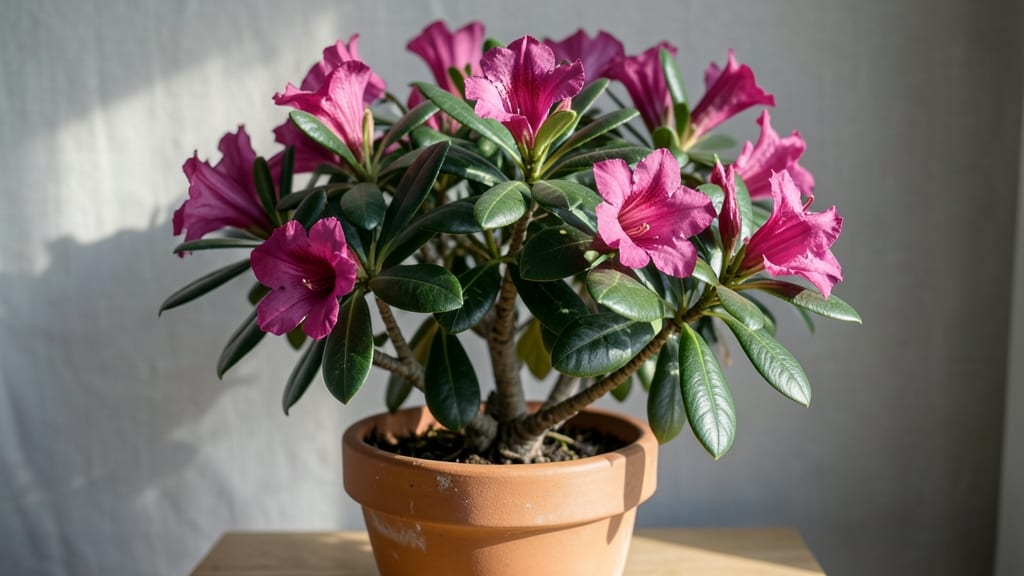
An indoor azalea plant that blooms year after year is within reach—if you nail these three pruning secrets. 🌸 I’ve struggled with azaleas that drop buds or grow leggy, but once I learned the right timing and technique, mine now flowers three times a year without fail.
The key isn’t just water or light—it’s strategic pruning that keeps the plant compact and encourages new blooms.
Azaleas thrive in bright, indirect light near east or north windows, but they’ll tolerate lower light if you supplement with a grow bulb. Water when the top inch of soil feels dry—never let them sit in soggy soil—and use room-temperature water to avoid shocking the roots.
Humidity is critical; mist the leaves or place the pot on a pebble tray filled with water to mimic their native forest floor.
With the right care, you’ll see glossy, deep-green leaves and clusters of vibrant blooms that last for weeks. The secret to long-term success? Pruning after flowering to shape the plant and remove dead branches—this keeps it bushy and ready for the next round of buds.
Even in dry winter air, your azalea will stay lush and productive.
This method works for both dwarf and standard azaleas, whether you’re growing in a sunny living room or a bright office corner. Let’s get those blooms going strong all year!
📚 In This Guide
- What you need
- Instructions
- Tips and common mistakes
- Wrapping up and next steps
What you need
- ● Azalea plant: 1 healthy indoor azalea (choose between evergreen or deciduous varieties, like Knaphill Hybrid or Girard’s Hybrid).
- ● Well-draining potting mix: 1 bag (5-10 gallons) of acidic, peat-based soil (pH 4.5–6.0). Avoid garden soil—it’s too alkaline!
- ● Pot with drainage holes: 1 container (12–16 inches in diameter) with terracotta or ceramic (prevents root rot).
- ● Watering can with a rose nozzle: 1 (for gentle, even moisture).
- ● Fertilizer: Balanced liquid fertilizer (10-10-10 or 20-20-20): 1 bottle (for general growth).
- ● Acid-loving plant fertilizer (e.g., Miracle-Gro Azalea/Camellia): 1 bottle (for blooms).
- ● Pruning shears: 1 pair (sterilized, sharp, and bypass-style for clean cuts).
- ● Gloves: 1 pair (to protect from sap and thorns).
- ● Spray bottle: 1 (for misting leaves if humidity is low).
- ○ Humidity tray or pebble tray: 1 (optional, for dry climates).
- ○ Grow lights (LED or fluorescent): 1–2 bulbs (optional, if natural light is <6 hours/day).
- ○ pH testing kit: 1 (optional, to monitor soil acidity).
Step-by-Step indoor azalea care for consistent blooms
Azaleas reward patience with stunning flowers—but only if you nail light, water, and pruning. Here's how to keep yours thriving indoors.
☀️ Step 1: Position for Bright, Indirect Light
Place your azalea within 3-6 feet of an east or west-facing window where it gets 4-6 hours of morning or afternoon sun. South-facing windows work too, but filter the light with a sheer curtain to prevent leaf scorch. You'll know the light is right when leaves stay deep green—not yellow or brown.
Rotate the pot a quarter turn weekly so the plant grows evenly. Azaleas grow toward the light, and you'll see them lean if one side gets more exposure. A grow light on a timer works in winter when days shorten, but keep it 12 inches away to avoid burning tender leaves.
💧 Step 2: Water When Top 1-2 Inches Feel Dry
Check soil moisture by sticking your finger 1-2 inches deep—water when it feels dry but not bone-dry. Azaleas hate soggy soil but also can't tolerate drought. Use room-temperature, distilled or rainwater (tap water with high minerals causes leaf tip burn). Water until it drains freely from the bottom, then empty the saucer after 10 minutes.
Mist the foliage 2-3 times weekly to recreate humidity levels of their native forests. You'll see the leaves perk up noticeably when humidity is right—dry air causes brown leaf edges. Grouping your azalea with other houseplants creates a natural microclimate that helps maintain moisture.
✂️ Step 3: Prune After Blooms Fade
Wait until flowers drop completely before pruning—this ensures next year's buds form properly. Cut back 1/3 of the oldest stems to the nearest leaf node using clean, sharp pruners. You're encouraging new growth while opening up the plant's center for better air circulation. Remove any dead, crossing, or leggy branches first—they compete with healthy growth.
Shape lightly by trimming 1/4 inch above a leaf node to encourage bushier growth. Avoid heavy pruning in fall or winter—this disrupts bud formation for spring blooms. After pruning, fertilize lightly with an acid-loving plant formula to support new growth.
🪴 Step 4: Maintain Acidic Soil and Fertilize Seasonally
Repot every 2-3 years using acidic potting mix (pH 4.5-5.5) and a container with drainage holes. Azaleas need slightly root-bound conditions, so choose a pot only 1-2 inches larger in diameter than the current one. You'll see new growth slow if roots have too much space.
Fertilize monthly from spring through summer with an azalea-specific fertilizer (or one labeled for acid-loving plants). Reduce to every 6-8 weeks in fall and stop completely in winter. Over-fertilizing causes salt buildup that burns roots—always water thoroughly after feeding.
⏰ Step 5: Adjust Care for Winter Dormancy
In winter, reduce watering to every 7-10 days (less if your home stays cool). Azaleas enter a natural dormancy and need less moisture. Keep temperatures between 50-65°F—warmer rooms dry them out faster. You'll notice new flower buds forming in late winter if conditions are right.
Check for pests like spider mites or scale—these thrive in dry winter air. Wipe leaves with a damp cloth weekly to remove dust, which blocks light absorption. If buds form but don't open, the plant may need more light or cooler nighttime temperatures (55-60°F ideal).
Tips & tricks for perfect indoor azalea care
These simple adjustments will help your azalea thrive indoors and reward you with stunning blooms year after year.
Light Positioning: The 4-6 hours of morning or afternoon sun in Step 1 is crucial—this mimics their native woodland conditions. If your south-facing window gets intense midday sun, place a sheer curtain between the plant and glass to prevent leaf scorch. I've seen azaleas develop brown patches when exposed to direct afternoon sun, so always check for that telltale yellowing at the leaf edges.
Pruning Precision: When pruning in Step 3, focus on removing the oldest stems first—they've already served their purpose. Cutting back 1/3 of these stems at the leaf node encourages new growth while maintaining the plant's natural shape. I learned this the hard way by pruning too much in winter, which delayed next year's blooms by nearly a month. Always prune after flowers fade completely, never before!
Winter Care Strategy: The winter dormancy period in Step 5 is when you'll see flower buds forming. Keep temperatures between 50-65°F consistently—fluctuations can stress the plant. I've noticed that azaleas kept in rooms above 65°F often drop buds before they open. A simple trick is to place a small fan near the plant to improve air circulation, which helps prevent fungal issues during this critical period.
Watering Wisdom: The 10-minute drainage rule in Step 2 is non-negotiable—soggy soil leads to root rot, which kills azaleas quickly. I've found that using distilled or rainwater prevents the mineral buildup that causes those unsightly brown leaf tips. For extra humidity, place the pot on a tray filled with pebbles and water (but keep the pot elevated so roots don't sit in water).
Pro Tips for Indoor Azalea Plant
- These simple adjustments will help your azalea thrive indoors and reward you with stunning blooms year after year.
- Light Positioning: The 4-6 hours of morning or afternoon sun in Step 1 is crucial—this mimics their native woodland conditions.
- Pruning Precision: When pruning in Step 3, focus on removing the oldest stems first—they've already served their purpose.
Frequently asked questions
Got questions about keeping your indoor azalea plant thriving? You’re not alone! Here are some of the most common concerns—plus quick, expert-backed answers to keep those vibrant blooms coming year-round.
How often should I water my indoor azalea?
Water your azalea when the top inch of soil feels just dry—usually every 5–7 days. Overwatering is the #1 killer! Use room-temperature water and ensure the pot has drainage holes to prevent root rot. Pro tip: Mist the leaves occasionally to mimic humidity in their natural tropical habitat.
Why isn’t my azalea blooming?
Azaleas need coolth (50–60°F at night) and bright, indirect light to bloom. If your plant isn’t flowering, check its location—too much heat or direct sun can stunt blooms. Also, ensure it’s well-fed with acidic fertilizer (like a 8-3-9 mix) during spring and summer. Patience helps too—some varieties take 2–3 years to mature!
When and how should I prune my indoor azalea?
Prune right after flowering (late spring) to shape the plant and encourage new growth. Use clean, sharp shears to trim back leggy stems by ⅓. Avoid heavy pruning in fall/winter—this stresses the plant when it’s dormant. Bonus: Deadhead spent blooms to redirect energy to future flowers!
What pests commonly attack indoor azaleas?
Watch for spider mites, aphids, or scale insects—they love azaleas! If you spot sticky residue or tiny webs, wipe leaves with a damp cloth or spray with neem oil. Isolate the plant to prevent spread. For severe infestations, repeat treatment every 5–7 days. Early action keeps your plant happy and healthy!
Can I grow an indoor azalea from a cutting?
Yes! Take a 4–6 inch cutting in early summer, dip it in rooting hormone, and plant it in moist, acidic soil. Keep it warm (70–75°F) and humid, covering it with a plastic bag until roots form (4–8 weeks). Patience is key—success rates vary, but persistence pays off!
Wrapping up and next steps
Caring for an indoor azalea plant is a rewarding journey that brings vibrant blooms and lush foliage into your home—especially when you master the 3 pruning essentials! These stunning plants thrive with the right balance of light, moisture, and occasional trimming to encourage healthy growth and continuous flowering. 🌸
Now that you’re equipped with the knowledge, roll up your sleeves and give your azalea the love it deserves! Start by observing your plant’s needs—whether it’s adjusting its light exposure, refining your pruning technique, or troubleshooting common issues.
With patience and care, your indoor azalea will reward you with year-round beauty that’s pure joy to behold.