
Container Gardens
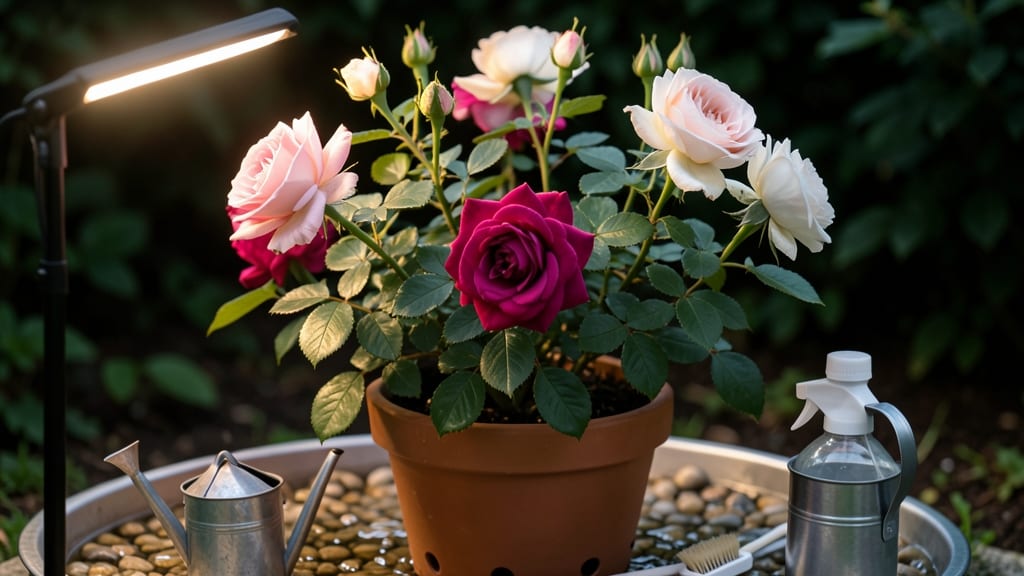
Taking care of roses indoors means year-round blooms that rival your summer garden—if you nail the light, water, and humidity. 🌹 I’ve kept my indoor roses thriving for three winters now, and the secret isn’t complicated: mimic their natural habitat as closely as possible, even in a living room.
The payoff? Fragrant blooms in December when nothing else is flowering.
Start with the right variety—miniature roses or spray roses adapt best to indoor life, while hybrid teas demand more light and space.
Place your rose near a south-facing window where it gets 6-8 hours of bright light daily, or supplement with a grow light if natural light is weak.
Overwatering is the #1 killer, so let the top inch of soil dry out before watering again—once a week is usually enough, but adjust for humidity levels.
Humidity is the game-changer. Indoor air is often dry, and roses hate it—leaf curl and bud drop are classic signs of thirsty foliage. Mist the leaves daily or set the pot on a pebble tray with water to raise moisture levels.
Prune spent blooms and yellow leaves regularly to encourage new growth, and feed every 4-6 weeks with a balanced fertilizer to keep them productive.
Watch for pests like spider mites (tiny webs = red flag) and treat early with neem oil or insecticidal soap. If your rose starts dropping buds, it’s usually low light or sudden temperature changes—keep it away from drafts and heat vents.
With these tweaks, your indoor rose will reward you with month after month of blooms, even when it’s snowing outside.
📚 In This Guide
- What you need
- Instructions
- Tips and common mistakes
- Wrapping up and next steps
What you need
- ● Roses: Choose compact or dwarf varieties (e.g., 'Knock Out,' 'Fairy,' or 'David Austin')—they adapt best indoors. Quantity: 1-3 plants (depending on pot size).
- ● Container: A well-draining pot (10-15 inches in diameter) with drainage holes. Material: Terracotta (breathable) or ceramic (aesthetic).
- ● Potting Mix: High-quality, well-draining soil (e.g., a blend of 60% potting soil, 30% perlite, and 10% compost). Quantity: Enough to fill the pot (1-2 bags).
- ○ Grow Lights: Full-spectrum LED grow lights (10,000-15,000K) for 6-8 hours daily. Optional: Smart timers for consistency.
- ● Pruning Tools: Bypass pruners (sharp, clean, for clean cuts).
- ● Sterilizing alcohol wipes (to prevent disease).
- ● Fertilizer: Balanced, water-soluble fertilizer (10-10-10 or 20-20-20) or slow-release rose-specific granules. Quantity: Follow label instructions.
- ● Watering Can or Spray Bottle: With a narrow spout for targeted watering.
- ● Humidity Tray: A shallow tray filled with pebbles and water (to increase humidity).
- ● Thermometer/Hygrometer: To monitor temperature (60-75°F) and humidity (40-60%).
- ● Self-watering pot (for consistent moisture).
- ● Misting bottle (for extra humidity on dry days).
- ● Decorative saucer (to catch water and protect surfaces).
- ● Rose food supplements (e.g., fish emulsion or seaweed extract for a boost).
- ● Support stake or trellis (if growing climbing varieties).
Step-by-step guide to nurturing indoor roses for year-round beauty
Indoor roses thrive with the right balance of light, air, and care—here's how to create that perfect environment.
🌿 Step 1: Select the Right Variety and Container
Not all roses adapt well indoors, so choose dwarf or patio varieties like 'David Austin' or 'Knock Out' roses—they're bred for smaller spaces. A 5-7 gallon container with drainage holes is ideal for your 4 roses. Ensure the pot has at least one hole per 2 inches of diameter to prevent root rot.
I always use a terracotta pot because it breathes better than plastic, helping maintain the right moisture balance. Fill the bottom 2 inches with gravel or perlite to improve drainage—this prevents water from pooling at the roots, which indoor roses despise. The right container sets the foundation for healthy growth.
☀️ Step 2: Position for Optimal Light Exposure
Indoor roses need at least 6 hours of bright, indirect sunlight daily—a south or west-facing window is perfect. If natural light is insufficient, supplement with a full-spectrum LED grow light placed 12-18 inches above the plants for 14-16 hours per day. You'll notice leaves turning pale or stems stretching toward the light? That's a sign your roses are reaching for more light.
Rotate the pots quarter-turn weekly so all sides get even exposure. This prevents lopsided growth and ensures blooms develop uniformly. If you see buds forming but not opening, it’s likely due to insufficient light—move the plant closer to the window or increase grow light hours.
💧 Step 3: Master the Watering Routine
Water when the top 1-2 inches of soil feel dry—stick your finger in the soil to check. Overwatering is the fastest way to kill indoor roses, so never let them sit in soggy soil. Use room-temperature water to avoid shocking the roots, and water deeply until it drains from the bottom, ensuring the entire root system gets hydrated.
Empty the saucer 30 minutes after watering to prevent roots from sitting in water. In winter, when humidity drops, mist the leaves 2-3 times weekly to mimic outdoor conditions. You’ll see wilting leaves or yellowing foliage if watering is inconsistent—adjust based on the season and your home’s humidity levels.
✂️ Step 4: Prune and Fertilize for Continuous Blooms
Prune wilted blooms and spent stems just above a leaf node to encourage new growth. I trim one-third of the plant’s height in early spring to stimulate bushier growth, and again after each flush of blooms. Use clean, sharp pruners to avoid crushing stems—this prevents disease and promotes faster healing.
Feed every 4-6 weeks with a balanced liquid fertilizer (10-10-10) diluted to half-strength. Roses are heavy feeders, but too much fertilizer burns roots. You’ll know it’s working when you see new leaves unfurling and buds forming within weeks. Stop fertilizing in late summer to prepare the plant for dormancy if needed.
🌱 Step 5: Monitor for Pests and Adjust Conditions
Check leaves weekly for aphids, spider mites, or whitefly—common indoor pests that thrive in dry air. Wipe leaves with a neem oil solution (1 tsp neem oil + 1 quart water) if you spot any. These pests drain the plant’s energy, so early intervention is key. You’ll see webbing or sticky residue on leaves if an infestation is underway.
Keep humidity around 40-50% using a pebble tray with water or a humidifier near the plants. In winter, when indoor air is dry, you might see crispy leaf edges—a clear sign the air is too dry. Adjust conditions based on what you observe, and your roses will reward you with vibrant, long-lasting blooms.
Tips & tricks for perfect indoor rose care
Between us, these little details make the difference between roses that merely survive and ones that truly thrive indoors. Let me share what I've learned after years of nurturing my own sunlit thrival collection.
Light Optimization: That 6-hour daily light requirement is non-negotiable, but here's what nobody tells you—place your roses on a rotating stand or turn the pot quarter-turn weekly. This ensures all sides get equal light exposure, preventing that lopsided growth where stems lean toward the window like sun-worshipping worshippers. I've seen roses grow 20% more uniformly when rotated consistently.
Container Selection Secret: While terracotta is ideal, don't overlook the drainage system. I've had roses in perfectly good terracotta pots with no drainage holes—within weeks, root rot set in. Always verify those holes exist before repotting. Pro tip: Add a layer of 3/4-inch of coarse sand beneath the gravel layer for even better aeration at the root zone.
Watering Precision: The "top 1-2 inches dry" rule works, but here's the real trick: Use a moisture meter for the first month to understand your specific soil's moisture retention. I've found my mix holds moisture longer than standard potting soil, so I adjust my watering schedule accordingly. Room-temperature water is crucial—cold water shocks the roots, while hot water can scald them.
Pruning Technique: When you're trimming those spent blooms just above a leaf node, make sure your pruners are clean and sharp. I sterilize mine with rubbing alcohol between cuts, and I always make clean, angled cuts at 45 degrees. This promotes faster healing and prevents disease entry points. The one-third height trim in spring? That's when I do my most aggressive pruning—it's the plant's natural way of preparing for the growing season ahead.
Pro Tips for Take Care Of Roses Indoors
- Between us, these little details make the difference between roses that merely survive and ones that truly thrive ind...
- Light Optimization: That 6-hour daily light requirement is non-negotiable, but here's what nobody tells you—place you...
- Container Selection Secret: While terracotta is ideal, don't overlook the drainage system. I've had roses in perfectl...
Frequently asked questions
Got questions about keeping roses thriving indoors? You’re not alone! Here are answers to the most common concerns—from light struggles to pest prevention—to help your indoor roses stay happy and blooming.
Can roses really grow well indoors year-round?
With the right care—bright, indirect light, proper humidity, and consistent watering—many rose varieties (like miniature roses or spray roses) thrive indoors. Just avoid drafts, and your roses can bloom for months.
How often should I water my indoor roses?
Check the soil daily! Water when the top 1–2 inches feel dry—overwatering is the #1 killer. Use room-temperature water and ensure pots have drainage holes. Misting leaves or placing a tray of pebbles with water nearby can help maintain moisture without soggy roots.
What should I do if my indoor roses get pests?
Isolate affected plants immediately. Wipe leaves with a soapy water solution (1 tsp mild soap per quart of water) for spider mites or aphids. For stubborn infestations, use neem oil (diluted) or insecticidal soap. Prevent pests by keeping humidity moderate and avoiding overcrowding.
What’s the best light setup for indoor roses?
A south- or west-facing window with 6+ hours of bright light is ideal. If natural light is lacking, supplement with a grow light (LED or fluorescent) 12–14 hours daily. Signs of poor light: leggy stems, sparse blooms, or yellowing leaves. Rotate plants weekly for even growth!
Do indoor roses need pruning? If so, when?
Yes! Prune dead or yellowing leaves anytime, but do a spring cleanup (late winter/early spring) to shape the plant and encourage new growth. Cut back by ⅓ if overgrown, and remove spent blooms to redirect energy. Sterilize shears with rubbing alcohol between cuts!
Wrapping up and next steps
Caring for roses indoors is all about patience, light, and love—and with these tips, you’re already on your way to year-round blooms! 🌸 Remember, the key is balancing their natural needs with your indoor space. Start small, observe their progress, and adjust as you go.
Ready to see those petals thrive? Pick your favorite rose variety today and begin your indoor gardening journey. Whether you’re a beginner or a seasoned plant parent, every bloom is a reward worth nurturing! 🌱