
Planting
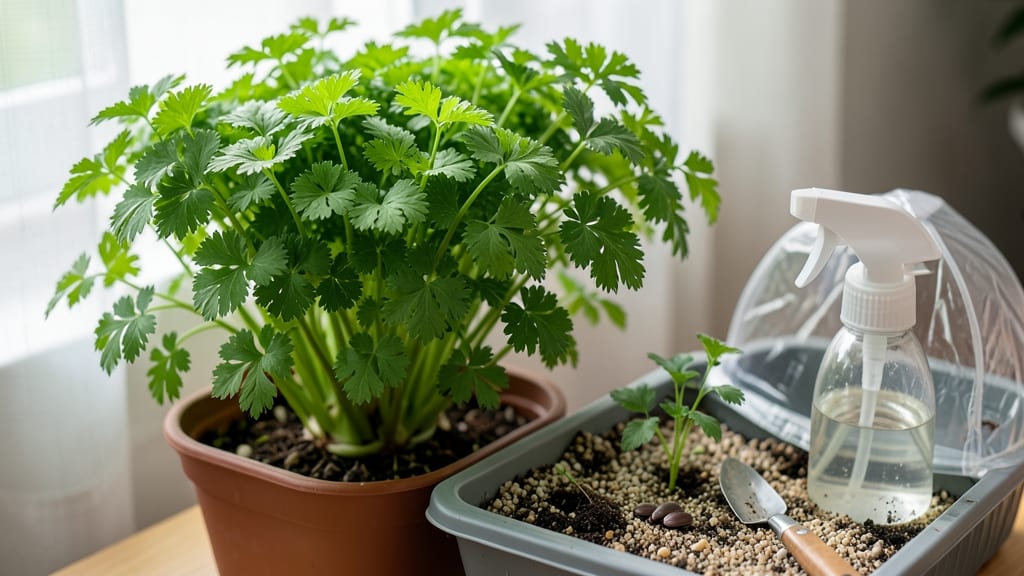
To plant parsley indoors 🌿, you’ll need the right balance of light, soil, and patience—three factors that turn slow starters into lush, flavorful herbs on your windowsill.
Struggling to grow parsley indoors? The secret lies in mastering light exposure and soil conditions—two critical factors that determine whether your parsley thrives or wilts.
Unlike fast-growing herbs, parsley takes 60-90 days to reach harvest, but with the right setup, you can enjoy fresh leaves year-round without the fuss of outdoor gardening.
Below, I’ll walk you through the easiest way to plant parsley indoors—from choosing the perfect container to troubleshooting common issues like leggy growth or yellowing leaves.
Optimal light requirements for indoor parsley growth
Growing parsley indoors can be incredibly rewarding, but light exposure is the #1 factor that makes or breaks success. Unlike outdoor parsley, indoor plants rely entirely on you to provide the right conditions.
Without enough bright indirect light, your parsley will stretch toward windows, develop pale leaves, and produce weak stems—what gardeners call leggy growth. Let’s fix that by understanding exactly what parsley needs to thrive.
Parsley is a sun-loving herb that requires 6-8 hours of bright light daily. In nature, it grows under full sun, but indoors, we need to replicate that intensity without direct scorching rays. The key is finding that sweet spot where leaves stay vibrant and stems remain sturdy.
South-facing windows are ideal, but east or west exposures work too—with a little help from grow lights during shorter winter days.
Here’s the golden rule: If your parsley starts looking tall and spindly with small leaves, it’s begging for more light. Yellowing leaves or brown tips? That’s often a sign of too much direct sun or inconsistent moisture.
Let’s break down the perfect light setup to keep your parsley lush and flavorful all year.
If your home lacks natural light, grow lights are a game-changer. I recommend full-spectrum LED grow lights placed 6-12 inches above your parsley. These mimic sunlight perfectly and let you grow parsley in basements or north-facing rooms.
For best results, use lights for 12-16 hours daily, mimicking a long summer day. Just avoid keeping them on 24/7—parsley needs rest too!
Window placement matters just as much as light type. A south-facing window is ideal because it captures the most sunlight throughout the day. But if you only have an east or west window, position your parsley within 2-3 feet of the glass.
Remember to rotate your pot quarter-turn weekly so all sides get even light exposure. This prevents lopsided growth and keeps your parsley bushy and compact.
Watch for these red flags that your parsley isn’t getting enough light: stems stretching toward the window, leaves turning yellow, or new growth appearing sparse. These are clear signals to adjust your setup.
If you notice these, try moving your parsley to a brighter spot immediately. Even a few extra inches closer to the window can make a world of difference in just days.
Direct sunlight can also cause problems—brown leaf tips or wilting often mean your parsley is getting too much harsh light. If your window gets intense afternoon sun, use sheer curtains to diffuse the rays while still allowing plenty of brightness.
Think of it like giving your parsley a gentle sunbath, not a scorching one.
Seasonal changes affect light too. During winter months, days are shorter, and sunlight is weaker. This is when grow lights become essential. If you’re committed to growing parsley year-round, invest in a timed grow light that automatically turns on for 14-16 hours daily.
It’s a small price to pay for fresh parsley in every season!
Pro tip: Place your parsley on a reflective surface like a white tray or aluminum foil-covered shelf. This bounces extra light onto the plant, effectively doubling the brightness it receives. It’s a trick professional growers use to maximize light efficiency in small spaces.
With the right light setup, your indoor parsley will reward you with vibrant green leaves, bold flavor, and compact growth. Start with these guidelines, monitor your plant’s response, and adjust as needed.
Soon, you’ll have a thriving parsley plant that’s ready to harvest whenever you need it—no grocery store required! 🌿
Soil and container secrets for healthy parsley plants
Choosing the right soil mix and container setup is the foundation for thriving indoor parsley. Unlike outdoor gardens, indoor plants rely entirely on you to replicate their natural growing conditions.
The key is creating a well-draining, nutrient-rich environment that mimics parsley's Mediterranean roots while preventing root rot from excess moisture.
Start with a high-quality potting mix designed for herbs or vegetables. Avoid garden soil—it compacts too easily in containers and suffocates roots. Instead, blend a 50/50 mix of organic potting soil with perlite or coarse sand. This combination ensures aeration while retaining enough moisture for parsley's medium water needs.
⚠️ callout warning
Root rot is the #1 killer of indoor parsley. Always use containers with drainage holes—even if you think you'll water lightly. Stagnant water in the saucer can wick back into the soil. For extra insurance, add a 2-inch layer of gravel or broken pottery at the container's bottom before adding soil. This creates an air gap that prevents waterlogging while allowing excess moisture to escape.
Container size matters more than you might think. A 6-inch diameter pot is ideal for starting parsley seeds, giving roots enough room to establish without overwhelming the plant. Once seedlings develop 2-3 sets of true leaves, transplant them into 8-10 inch containers—this prevents root binding, which stunts growth.
For mature parsley plants, a 12-inch pot provides long-term comfort, allowing the plant to reach its 12-24 inch height without feeling cramped.
Don't overlook the material of your containers. Terracotta pots are excellent because they breathe—allowing moisture to evaporate through the walls. However, they dry out quickly in hot indoor climates, so monitor soil moisture closely. For a more forgiving option, choose plastic containers with drainage holes.
They retain moisture longer, which is helpful if you travel frequently. Just remember to water consistently—plastic doesn't offer the same moisture regulation as terracotta.
To boost nutrient availability, mix in compost or worm castings when repotting. These organic amendments provide a slow-release fertilizer that supports parsley's 60-90 day growth cycle. Avoid synthetic fertilizers during the first 4-6 weeks—parsley's delicate roots can be overwhelmed by high salt concentrations.
Instead, use a balanced liquid fertilizer (5-10-5) diluted to half-strength every 4-6 weeks once the plant is established.
Pro tip: Elevate your parsley containers on feet or saucers to improve air circulation around the roots. Poor airflow increases humidity at the soil level, creating ideal conditions for fungal diseases like damping-off.
A simple DIY solution is to place containers on ceramic plant stands or even upside-down saucers with legs. This small change can dramatically improve your parsley's health and vigor.