
Planting
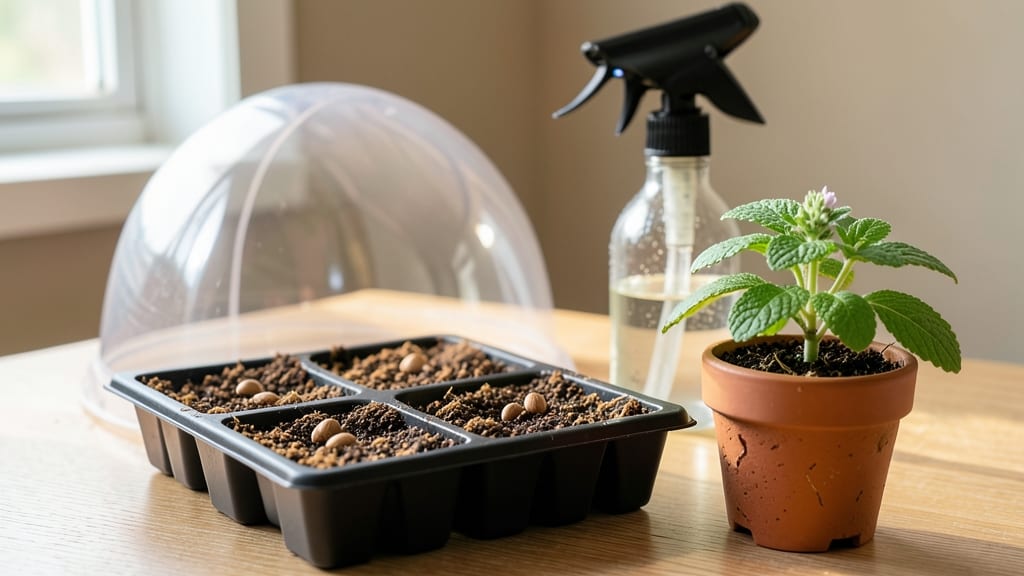
Planting mint seeds indoors lets you grow fragrant, fast-spreading plants year-round—no outdoor space needed. 🌱 I’ve started dozens of batches, and the secret lies in patience and the right setup: warm soil, consistent moisture, and bright light.
Most people give up after two weeks, but mint seeds can take 3-4 weeks to germinate, so don’t rush the process.
The right container is half the battle—mint thrives in shallow pots with drainage holes to prevent root rot. Use a well-draining potting mix (no garden soil) and keep it moist but not soggy.
A heat mat or sunny windowsill speeds up germination, while a humidity dome keeps seeds cozy until sprouts appear. Once they do, thin seedlings to avoid overcrowding.
By week six, you’ll have lush, dark-green mint plants ready for pruning and harvesting. The smell alone makes it worth the wait, and you’ll never need to buy fresh mint again. Just be ready—mint spreads aggressively, so plan for regular trimming or a dedicated container.
This method works for peppermint, spearmint, or chocolate mint, and the same steps apply to other slow starters like basil or thyme. The key is consistency: light, water, and patience. Let’s get those seeds sprouting!
📚 In This Guide
- What you need
- Instructions
- Tips and common mistakes
- Wrapping up and next steps
What you need
- ● Mint seeds – Choose peppermint, spearmint, or chocolate mint seeds (about 1/4 teaspoon for a small pot).
- ● Seed-starting mix – A lightweight, well-draining mix (like coco coir or vermiculite) in a 4–6 inch pot or seed tray.
- ● Containers – Small pots with drainage holes (or a seed tray with cell inserts) to prevent root rot.
- ● Watering can or spray bottle – For gentle hydration (avoid oversaturating!).
- ● Plastic wrap or dome lid – To create a mini greenhouse and retain moisture.
- ○ Gloves (optional) – Mint can stain hands (and counters!) with oil.
- ● Plant labels – Mint spreads fast—label your pots to avoid confusion!
- ● Grow lights or sunny windowsill – Mint loves 4–6 hours of sunlight daily.
- ○ Fertilizer (optional) – A balanced liquid fertilizer (like 10-10-10) for faster growth.
Step-by-step instructions for planting mint seeds indoors
Here's my foolproof method for growing fresh mint from seeds—no green thumb required.
🌱 Step 1: Prepare Containers and Seed Starting Mix
Use small pots or a seed tray with drainage holes—mint seeds need room to spread but hate soggy roots. I like to use 4-inch pots for each plant since mint grows aggressively. Fill each container with a lightweight seed-starting mix (not garden soil) and moisten it until it feels like a damp sponge.
Press the mix down gently but don't compact it. The goal is firm enough to hold seeds in place but loose enough for roots to push through easily. Tap the pot once or twice on the table to settle everything evenly. This prevents air pockets that could delay germination.
🌱 Step 2: Plant Seeds at the Right Depth
Mint seeds are tiny, so I sprinkle them lightly on the soil surface rather than burying them. Just press them in gently with your fingertip—about ⅛ inch deep is perfect. Covering them too deeply will slow germination because they need light to sprout.
Space the seeds about 1 inch apart since mint grows in clumps. After planting, mist the surface with water until it looks evenly damp but not wet. A spray bottle works best—it gives gentle, even moisture without disturbing the seeds.
💧 Step 3: Provide Warmth and Consistent Moisture
Place your pots in a warm spot—mint seeds germinate best at 70-75°F. A seedling heat mat helps if your home runs cooler, but even a sunny windowsill works. Keep the soil consistently moist by watering from the bottom of the pot every 2-3 days.
You'll know it's time to water again when the top ¼ inch of soil feels dry. Avoid letting the soil dry out completely, but don't drown the seeds either. A humidity dome or plastic wrap helps retain moisture while the seeds sprout, usually in 14-21 days.
☀️ Step 4: Move to Bright, Indirect Light
Once seedlings emerge, remove any covering and move them to a spot with bright, indirect light. A south-facing window is ideal, but avoid harsh afternoon sun, which can scorch tender new leaves. If your light is weak, supplement with a grow light for 12-14 hours daily.
Watch for leggy growth—thin, stretched stems with large leaves—this means your seedlings need more light. If you see this, move the plants closer to the light source or raise the grow light. Strong seedlings have thick stems and dark green leaves spaced about 1 inch apart.
🪴 Step 5: Thin Seedlings for Stronger Growth
When seedlings reach 2 inches tall and have 2-3 sets of true leaves, thin them to the strongest one per pot. Use small scissors to snip unwanted seedlings at soil level—this prevents disturbing the roots of the plants you're keeping.
Thinning might seem wasteful, but crowded mint plants grow weak and leggy. The remaining seedling will now have space to develop a strong root system and bushy growth. Keep the soil moist but not soggy during this phase, and fertilize lightly with a balanced liquid fertilizer every 4-6 weeks.
✂️ Step 6: Prune and Harvest for Bushier Plants
Once your mint plants are established, pinch off the tips of the stems when they reach 4-6 inches tall. This encourages bushier growth by signaling the plant to branch out. You'll see new side shoots forming within 1-2 weeks of pruning.
Start harvesting leaves from the outer stems first to promote continued growth. You can begin harvesting once the plants are 6-8 weeks old, but avoid taking more than ⅓ of the plant at a time to keep it thriving. Regular pruning and harvesting will give you fresh mint all year long!
Tips & tricks for planting mint seeds indoors
Here's what nobody tells you about growing mint from seeds—these tricks make all the difference between struggling and thriving plants.
Container Size Matters: While 4-inch pots work perfectly, you can also use a seed tray with individual cells for each seed. If you choose a larger container, space seeds at least 3 inches apart to prevent overcrowding as they mature. Mint spreads aggressively, so give it room to grow—this prevents root competition and weak stems. I've seen mint plants take over entire windowsills when given too much space!
Germination Boost: The 70-75°F temperature range is ideal, but if your home runs cooler, place pots on a seedling heat mat or near a warm spot like the top of the fridge. For extra insurance, cover the pots with plastic wrap to create a mini greenhouse effect—just remember to remove it once seedlings emerge. This helps maintain consistent moisture and warmth, which speeds up germination from 14-21 days to as little as 10 days.
Lighting Strategy: Those 12-14 hours of grow light don't need to be consecutive. Split the time into two sessions—morning and evening—if your schedule is busy. Position the light about 6 inches above seedlings and adjust as they grow. I've had great results with LED grow lights on a timer, which automatically handle the lighting schedule for me.
Fertilizer Timing: Don't rush to fertilize! Wait until after thinning (when plants are 2 inches tall) before introducing any fertilizer. Start with a very diluted solution—half the recommended strength—since young plants are sensitive to salt buildup. I use a balanced liquid fertilizer every 4-6 weeks once the plants are established, but I always water thoroughly before and after fertilizing to prevent root burn.
Pro Tips for Plant Mint Seeds Indoors
- Here's what nobody tells you about growing mint from seeds—these tricks make all the difference between struggling and thriving plants.
- Container Size Matters: While 4-inch pots work perfectly, you can also use a seed tray with individual cells for each seed.
- Germination Boost: The 70-75°F temperature range is ideal, but if your home runs cooler, place pots on a seedling heat mat or near a warm spot like the top of the fridge.
Frequently asked questions
Got questions about growing mint from seeds indoors?
You’re not alone! Here are answers to the most common queries to help you cultivate lush, fragrant mint with confidence.
How long does it take for mint seeds to germinate indoors?
Mint seeds can take anywhere from 14 to 30 days to sprout—patience is key! Keep the soil consistently moist (not soggy) and maintain warmth (around 70–75°F) to speed up germination. If you don’t see sprouts in 4 weeks, try fresh seeds or check moisture levels.
Can I grow mint indoors without sunlight? What’s the best alternative?
Mint thrives on 4–6 hours of indirect sunlight daily, but if natural light is scarce, a grow light (LED or fluorescent) works wonders! Place it 6 inches above seedlings for 12–14 hours/day. South-facing windowsills or sunny balconies are ideal if available.
Why isn’t my mint growing? Troubleshooting common issues.
Slow growth? Check these fixes:
Leggy stems? Move closer to light or add a grow light.
Yellow leaves? Overwatering! Let soil dry slightly between waterings.
No sprouts? Mint seeds have low germination rates—try cutting a mature mint plant and rooting stems in water instead!
Mint also spreads aggressively—use a container with drainage to control its roots.
Is it better to plant mint seeds or start with cuttings?
For faster results, cuttings are the winner! Snip 3–4 inch stems, remove lower leaves, and place them in water until roots form (1–2 weeks). Then transplant to soil. Seeds are trickier (slow germination, low success rates) but fun for beginners. Pro tip: Buy a mint plant from a nursery and propagate it!
How often should I water indoor mint?
Keep the soil consistently moist but not waterlogged. Water when the top inch feels dry (usually every 2–3 days, more in hot/dry conditions). Mint loves humidity—mist leaves occasionally or place the pot on a pebble tray with water to boost growth.
Can I grow mint indoors year-round?
Mint is a perennial herb and will thrive indoors with proper care. Just ensure it gets enough light, rotate the pot occasionally for even growth, and prune regularly to encourage bushiness. With the right setup, your mint can live for years and keep producing fresh leaves!
Wrapping up and next steps
Growing mint from seeds indoors is a rewarding journey that brings fresh, aromatic herbs right to your kitchen! With the right tools, patience, and a little love, you’ll soon enjoy the cooling scent and versatile flavors of homegrown mint—whether in teas, cocktails, or culinary dishes. 🌱
Now that you’re equipped with the know-how, why not expand your indoor herb garden? Try your hand at other easy-to-grow herbs like basil, parsley, or cilantro next. Happy planting—and may your green thumb flourish! 🌿✨