
Companion Plants
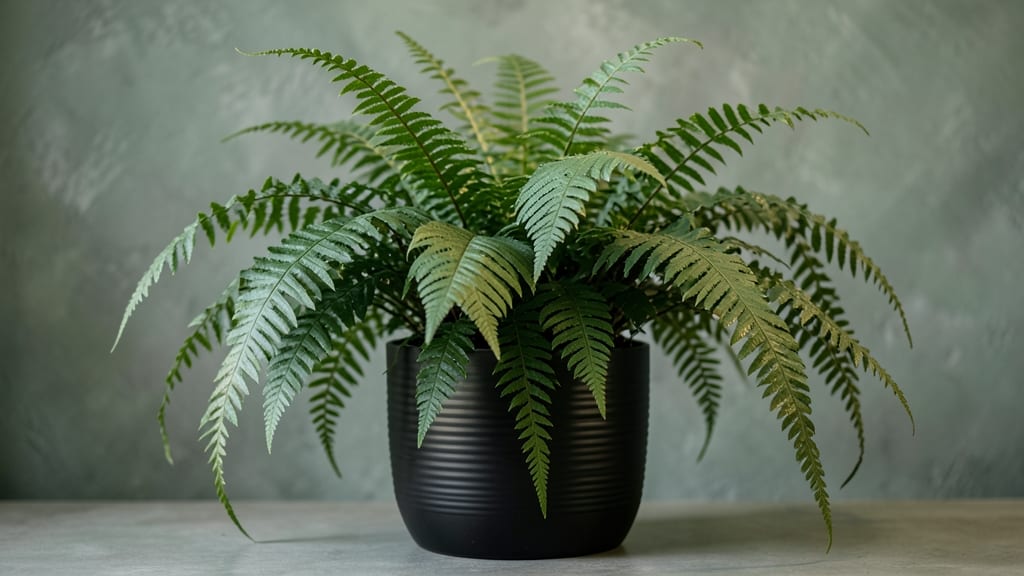
Want cleaner indoor air without harsh chemicals? These 10 NASA-approved houseplants are proven to remove toxins like formaldehyde and benzene while adding beauty to your home. Perfect for beginners or plant enthusiasts looking to boost air quality naturally.
Snake Plant (Sansevieria trifasciata)
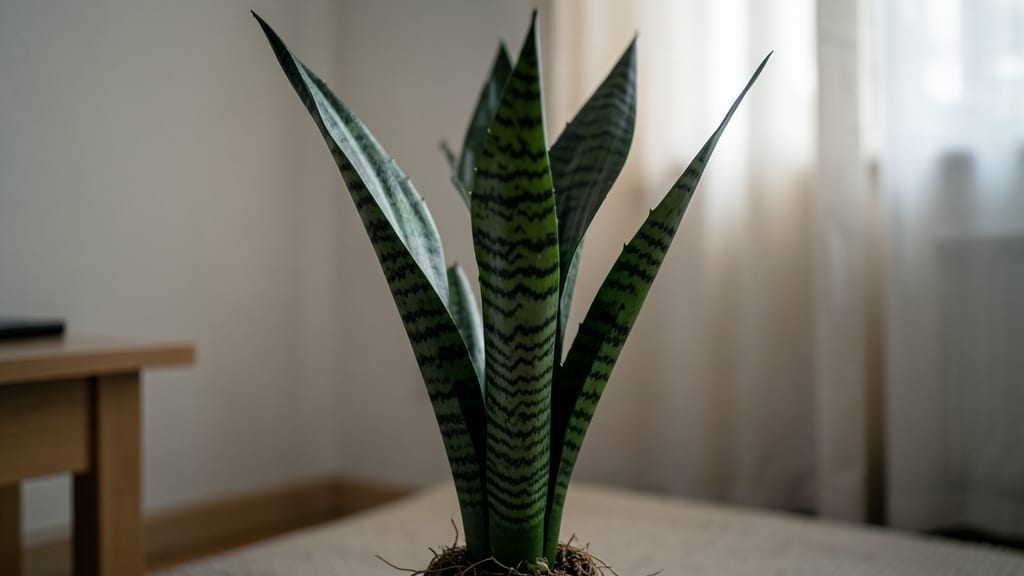
If you’ve ever struggled to keep a houseplant alive, the snake plant (Sansevieria trifasciata) is your secret weapon—NASA’s #1 air purifier that thrives on neglect. Unlike high-maintenance plants, this architectural beauty survives in low-light bedrooms while actively filtering toxins like formaldehyde and benzene from the air.
Water it only every 2-3 weeks (or when the soil is bone-dry), and place it in a corner where it won’t compete for light. The vertical leaves release oxygen at night, making it ideal for bedrooms where air quality matters most. Bonus: It’s nearly pest-proof and grows in almost any pot, from sleek ceramics to rustic terracotta.
Perfect for busy urban dwellers or plant parents who want zero-guilt greenery, the snake plant turns even the dimmest spaces into a breath of fresh air—literally. 💚
Spider Plant (Chlorophytum comosum)
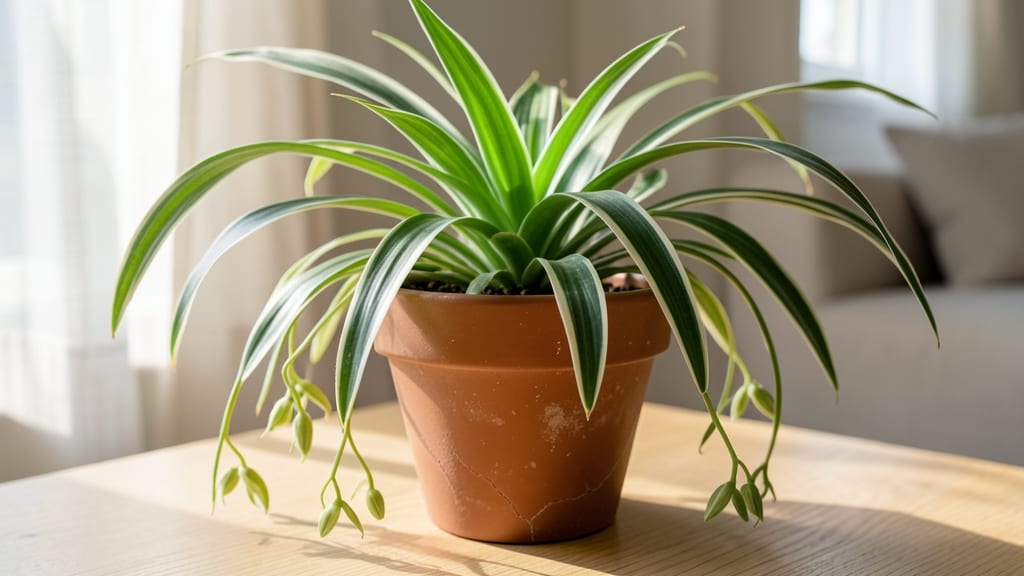
If you're looking for a pet-friendly air purifier that doubles as a charming decor piece, the spider plant (Chlorophytum comosum) is your answer. This hardy plant not only removes formaldehyde and carbon monoxide from the air but also produces adorable "baby plants" that you can propagate and share with friends.
Thriving in bright, indirect light, spider plants are perfect for kitchens or living rooms where they can hang in baskets, creating a cascading green curtain. Water when the top inch of soil feels dry, and watch as it rewards you with new growth—even in less-than-ideal conditions. Its ability to bounce back from neglect makes it ideal for busy plant parents.
This versatile plant is especially great for urban dwellers with limited space or pet owners who want non-toxic greenery that’s easy to care for. Plus, its air-purifying benefits make it a win-win for both your home and your lungs. 🌱
Peace Lily (Spathiphyllum)
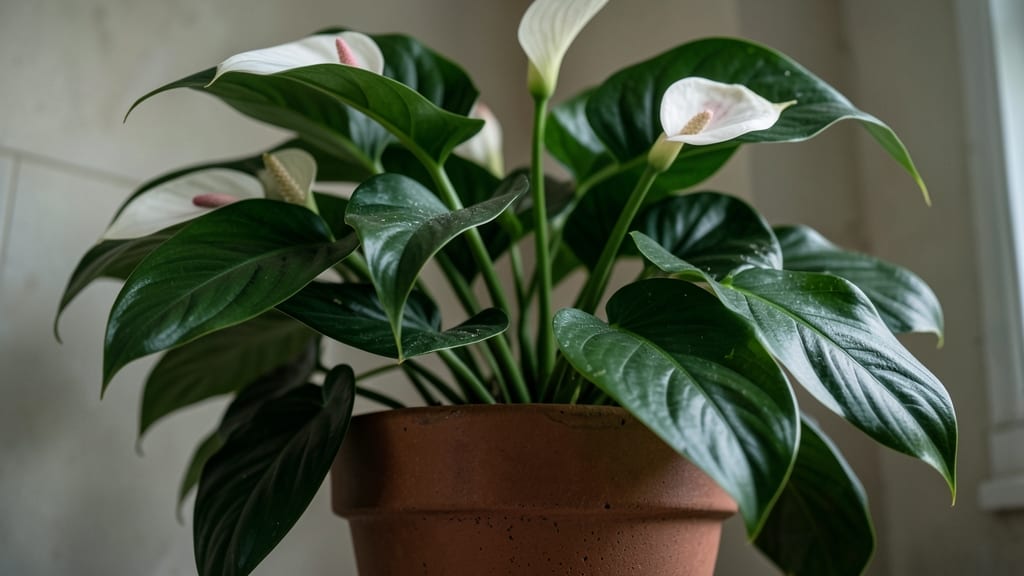
Tired of plants that bloom once a year and then fade away? The peace lily (Spathiphyllum) is the florist’s secret weapon—it delivers year-round blooms while silently purifying your air by filtering out mold spores, benzene, and ammonia. This makes it a perfect match for bathrooms or dimly lit corners where other plants struggle.
To keep your peace lily thriving, maintain consistent moisture by watering when the top inch of soil feels dry—its glossy leaves are a dead giveaway if it’s thirsty (they droop slightly). Place it in bright, indirect light, and watch those elegant white blooms appear every few weeks. Bonus: It’s one of the few plants that actually thrives in humid environments, like steamy bathrooms or kitchens.
This is the ideal choice for beginners or anyone who wants a low-maintenance, high-impact plant that doubles as a natural air purifier. 💚
Boston Fern (Nephrolepis exaltata)
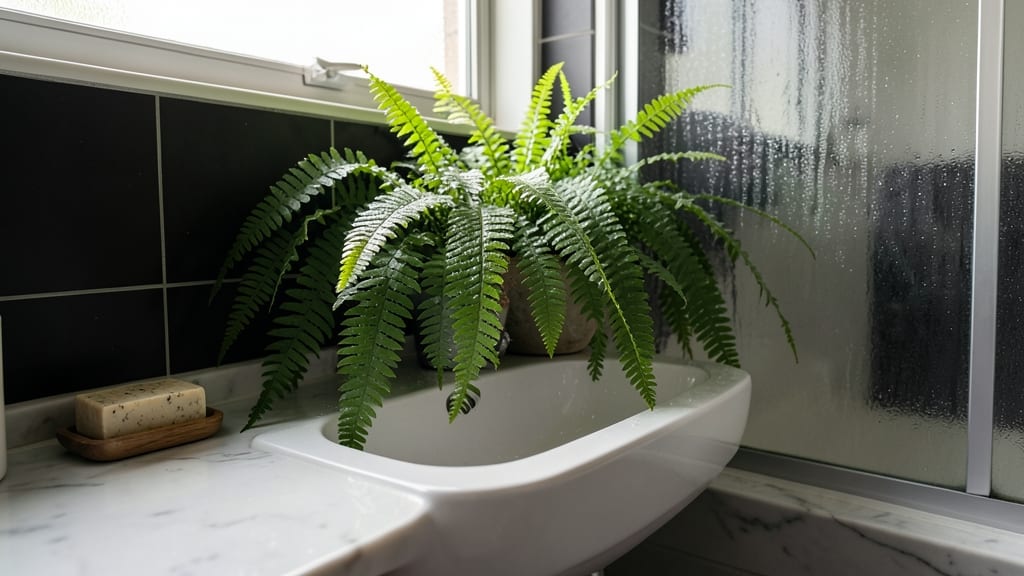
Transform your steamy bathroom or kitchen into a lush, air-purifying oasis with the Boston fern (Nephrolepis exaltata). This feathery favorite thrives in high-humidity environments while actively filtering out formaldehyde and xylene—common toxins found in household cleaners and furniture.
Place it near a humidifier or under a shower stream to keep its fronds vibrant and full. Water when the top inch of soil feels dry, and mist occasionally for extra humidity. Its cascading texture adds a dramatic, spa-like touch to any room, making it perfect for hanging baskets or shelves.
Ideal for beginners who love moisture-loving plants, the Boston fern rewards you with year-round greenery and a cleaner home. 🌿
Aloe Vera (Aloe barbadensis)
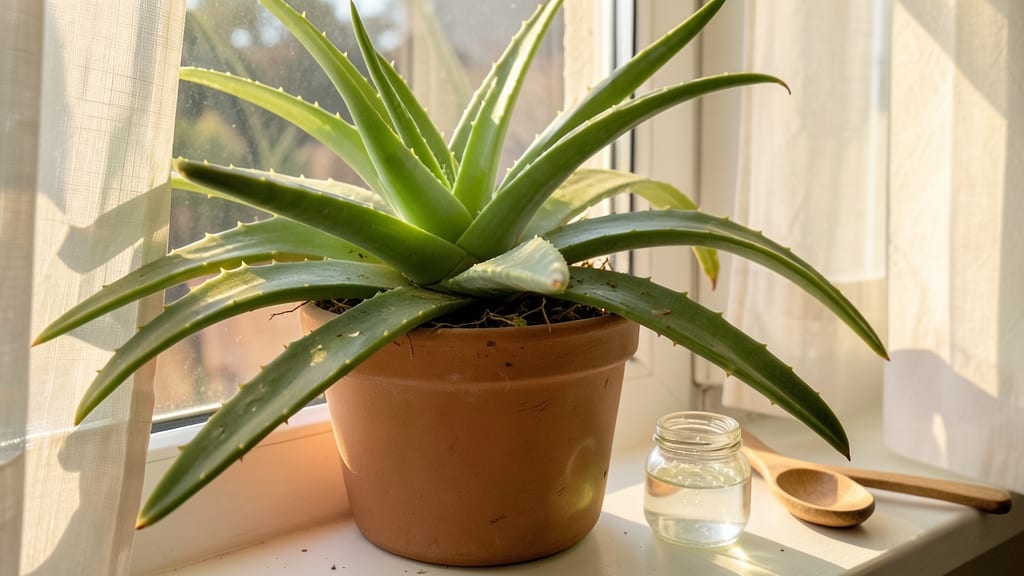
Transform your sunniest windowsill into a dual-purpose powerhouse with aloe vera—this desert beauty doesn’t just purify air by removing formaldehyde (a common toxin in household products), but also serves as your first-aid kit for minor burns and skin irritations.
Place your aloe vera in a south- or west-facing window where it can soak up 6+ hours of direct sunlight daily, mimicking its natural habitat. Water only when the soil is completely dry (typically every 3-4 weeks), as overwatering is the #1 killer of succulents. The gel inside its thick leaves is packed with soothing properties—simply slice open a leaf to reveal the clear, healing gel.
Urban dwellers and minimalist decorators will love how aloe vera adds a sleek, modern touch to any space while silently working to clean your air. Its low-maintenance nature makes it ideal for busy professionals or anyone craving a plant with both beauty and benefits. 💚
Rubber Plant (Ficus elastica)
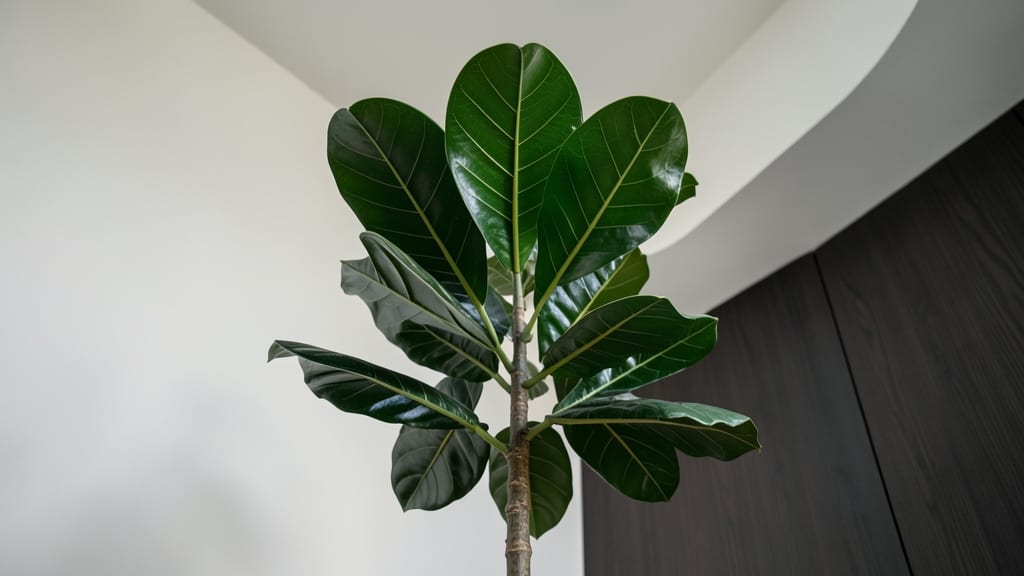
Looking for a bold statement plant that cleans your air and complements modern décor? The rubber plant (Ficus elastica) delivers glossy, architectural leaves that thrive in large rooms while filtering out formaldehyde and toluene—common toxins from furniture and cleaning products.
This low-maintenance powerhouse thrives in indirect light (even fluorescent office lighting) and only needs water when the top inch of soil feels dry. Its vertical growth habit makes it ideal for corner spots or as a floor plant, adding height without overwhelming small spaces. Prune stems to encourage bushiness or propagate cuttings for free new plants!
Perfect for urban apartments, offices, or entryways, the rubber plant’s durability and air-purifying benefits make it a top choice for anyone seeking elegant greenery with minimal effort. 💚
Golden Pothos (Epipremnum aureum)
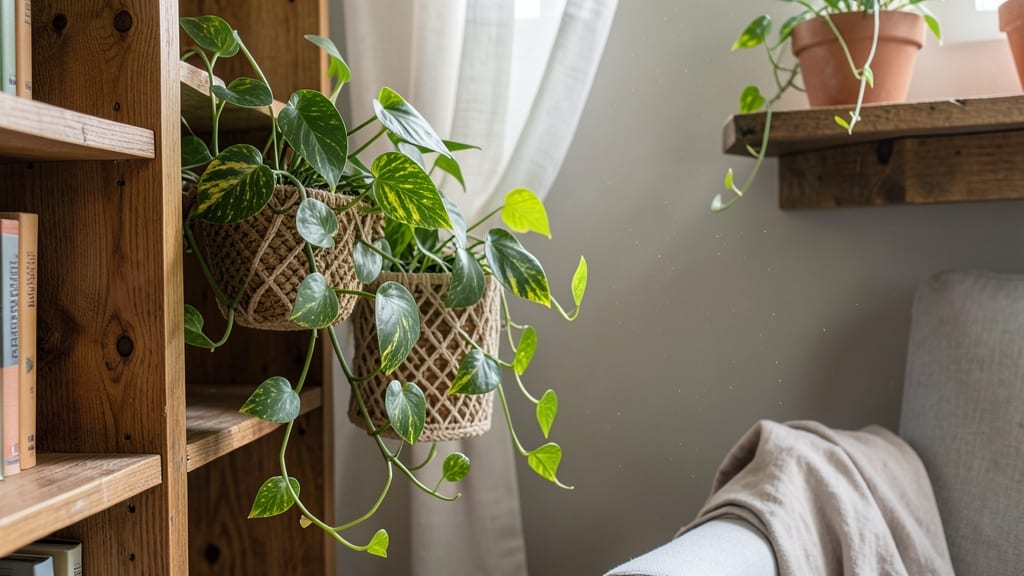
Looking for a fast-growing, pet-friendly plant that doubles as an air purifier? Golden pothos is your answer—this hardy vine removes carbon monoxide, formaldehyde, and benzene while thriving in nearly any indoor spot.
Place it on shelves, hang it in macramé planters, or let it trail from bookshelves—it adapts to low to bright indirect light and needs water only when the top inch of soil is dry. While safe for pets in moderation, keep an eye on curious chewers to prevent overconsumption.
Perfect for urban apartments or offices, golden pothos grows 10-20 feet indoors with minimal care, making it the ultimate low-maintenance air quality booster. 🌱
English Ivy (Hedera helix)
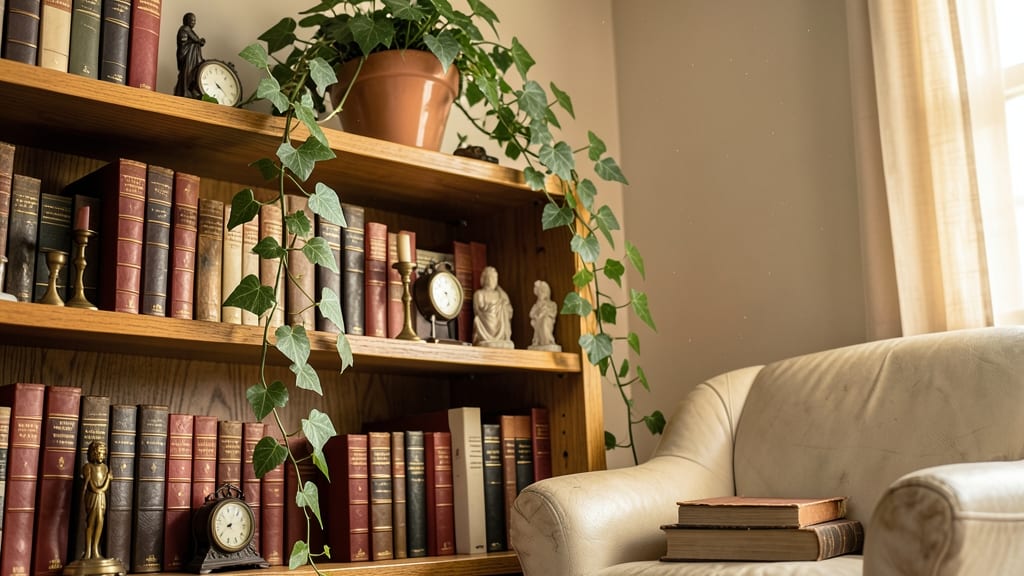
Transform your bookshelves or reading nook into a natural air purifier with English ivy (Hedera helix), a classic trailing vine that actively removes airborne mold spores and fecal particles—making it ideal for dusty or cluttered spaces. Unlike other air-cleaning plants, ivy thrives in bright, indirect light while adding a lush, cascading texture that softens any room.
This hardy evergreen prefers moderate watering—let the top inch of soil dry between waterings—and benefits from occasional misting to keep its leaves vibrant. Prune leggy stems to encourage bushier growth, and watch it climb trellises or spill gracefully from shelves. Its ability to filter airborne irritants makes it especially valuable for allergy sufferers or homes with pets.
Perfect for urban apartments or libraries, English ivy is a low-maintenance yet high-impact choice that breathes new life into any space. 🌿
Bamboo Palm (Chamaedorea seifrizii)
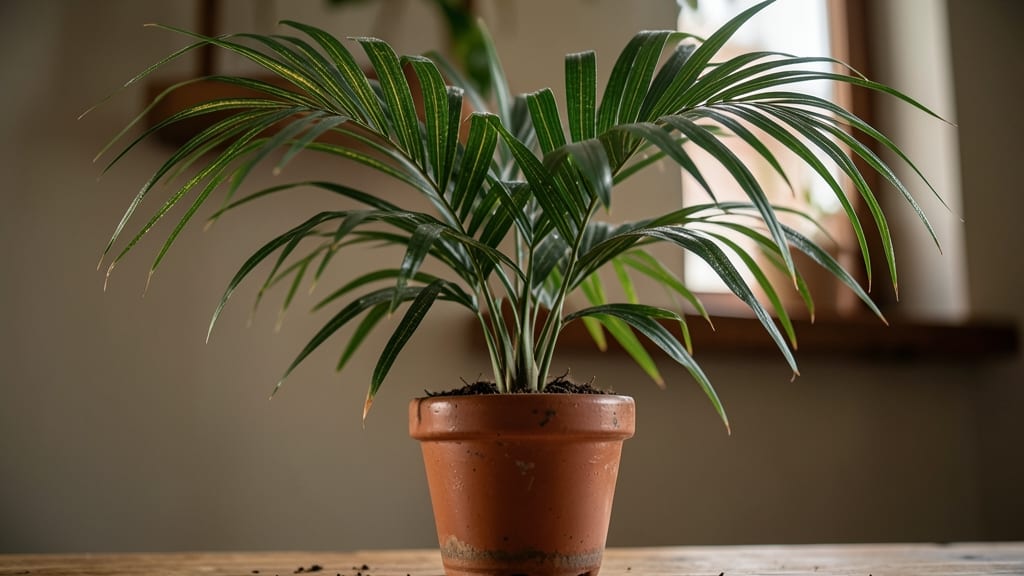
Struggling to find a tall, elegant plant that thrives in dim offices or cozy bedrooms while actually cleaning the air? The bamboo palm (Chamaedorea seifrizii) delivers on all fronts—it’s a NASA-approved air purifier that targets benzene and trichloroethylene, two common indoor pollutants from cleaning products and adhesives.
This tropical stunner handles low to bright indirect light better than most palms, making it perfect for spaces without sunny windows. Water when the top inch of soil feels dry (about every 1-2 weeks), and dust its feathery fronds monthly to keep them lush. With heights up to 10 feet, it adds instant vertical drama to any room while silently working to improve your air quality.
Office workers, night-shift gardeners, and anyone with limited natural light will appreciate its hardy nature and air-purifying superpowers. Just avoid cold drafts—this palm prefers consistent warmth and will thank you with vibrant, healthy growth. 🌿
Kimberly Queen Fern (Nephrolepis obliterata)

Tired of fussy ferns that demand constant humidity? The Kimberly Queen Fern delivers lush, feathery foliage without the drama—it thrives in average household humidity and actively removes formaldehyde and xylene from the air.
Unlike its high-maintenance cousin, the Boston fern, this variety tolerates moderate light conditions and only needs water when the top inch of soil feels dry. Its bushy, upright growth habit makes it perfect for tables, shelves, or even as a statement plant in terracotta pots. Plus, it’s non-toxic to pets, making it a safe choice for homes with curious animals.
This is the ideal air-purifying plant for beginners who want a low-fuss, year-round green statement without the fuss of daily misting or precise humidity controls. 💚