
Pruning
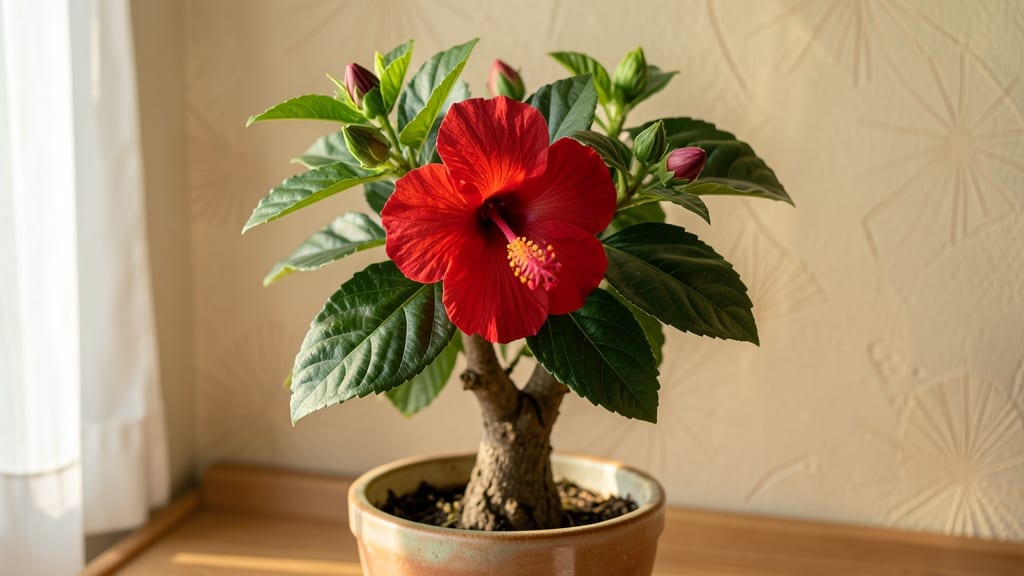
Growing a hibiscus tree indoors means waking up to bold, tropical blooms year-round—if you nail the light and pruning. 🌺 I’ve turned my living room into a mini jungle by mastering three simple pruning tricks that force more flowers and keep the plant compact.
The secret isn’t complicated: it’s timing, sharp cuts, and a little patience.
Your hibiscus needs bright, direct light for 6+ hours daily—south-facing windows or a grow light work best. Overwatering kills them faster than anything, so let the top inch of soil dry out between waterings.
Humidity is key too: mist leaves daily or place the pot on a pebble tray with water. Skip the cheap soil—use a mix with perlite and compost to keep roots happy.
Those three pruning tricks? Cut back leggy stems after blooms fade, trim back by ⅓ in early spring, and pinch new growth to encourage bushiness. Do this right, and you’ll see nonstop blooms from spring through winter.
The first year is about establishing the plant; by year two, it becomes a flowering machine.
Troubleshooting non-flowering? Check your light first—hibiscus will rebel if they’re too shady. Too much nitrogen in fertilizer? Swap for a low-nitrogen, high-phosphorus blend. And yes, indoor hibiscus can get pests—keep an eye out for spider mites and treat early with neem oil.
Your living room just got a lot more dramatic.
📚 In This Guide
- What you need
- Instructions
- Tips and common mistakes
- Wrapping up and next steps
What you need
- ● Hibiscus plant: Choose a dwarf variety (e.g., Hibiscus rosa-sinensis) or a compact potted hibiscus from a nursery. Look for healthy leaves and buds!
- ● Pot: A well-draining container (12–18 inches in diameter) with drainage holes. Terracotta or ceramic pots work best.
- ● Potting mix: A lightweight, airy blend—mix 50% peat or coconut coir, 30% perlite or pumice, and 20% compost for optimal drainage.
- ● Pruning tools: Sharp bypass pruners (for clean cuts on stems up to ¼ inch thick).
- ● Sterilized hand pruners or shears (for smaller trims).
- ● Rubbing alcohol (70% or higher) to sterilize tools between cuts.
- ● Gloves: A pair of gardening gloves to protect your hands from thorns and sap.
- ○ Support structure (optional): A small trellis or bamboo stake if your hibiscus needs vertical support.
- ● Slow-release fertilizer: A balanced 10-10-10 or 20-20-20 formula to feed your hibiscus during growing seasons (spring–fall).
- ● Humidity tray: A pebble tray with water to boost humidity, especially in dry indoor climates.
- ● Grow lights: A full-spectrum LED grow light (12–16 hours/day) if natural light is limited.
- ● Rooting hormone: For propagating cuttings (if you plan to grow new plants!).
- ● Mulch: A thin layer of orchid bark or pine needles to retain moisture.
How to prune your indoor hibiscus tree for nonstop blooms
Here’s the no-fuss pruning system I use to keep my hibiscus blooming like crazy indoors—no green thumb required.
✂️ Step 1: Prune After Each Flowering Cycle
Hibiscus flowers grow on new wood, so the key is keeping the plant compact and encouraging fresh growth. As soon as a bloom fades and drops, use clean, sharp pruning shears to cut back the stem just above a set of leaves or a leaf node. This ensures the plant redirects energy into new shoots instead of deadheading.
Don’t cut too aggressively—aim to remove only the spent bloom stem. You’ll see fresh buds forming within 2-3 weeks at the pruned nodes, proving you’re on the right track. If your hibiscus has leggy stems, this is your chance to shape it into a bushier form.
☀️ Step 2: Trim Leggy Growth in Late Winter
Late winter is the perfect time for a harder prune to reset growth. Look for stems that have stretched too far between leaves—these are weak and won’t support heavy blooms. Cut these back by one-third to one-half their length, always making cuts just above a leaf node or outward-facing bud.
This might sound drastic, but hibiscus trees respond beautifully to pruning. You’ll notice new growth sprouting from the pruned areas within 10-14 days, and by spring, your plant will be fuller and more vibrant. Just avoid pruning in fall or early winter, as the plant needs time to recover before new growth.
🌿 Step 3: Shape and Thin for Airflow
Once your hibiscus has filled out, focus on shaping it to encourage airflow and light penetration. Thin out crowded branches by removing any that cross or rub against each other—this prevents disease and helps blooms develop more evenly. Always cut back to a leaf node or bud, never leaving a stub.
Step back and admire your work—your hibiscus should now have an open, balanced shape. This isn’t just about looks; better airflow means fewer pests and healthier blooms. If you notice any weak or yellowing stems, prune those out immediately to redirect the plant’s energy to stronger growth.
⏰ Step 4: Fertilize After Pruning
After pruning, your hibiscus will need extra nutrients to support new growth. Feed it with a balanced, water-soluble fertilizer (like 10-10-10) diluted to half strength. Apply it every 4-6 weeks during the growing season, but skip fertilizing in fall and winter when the plant is dormant.
You’ll see the difference in just a few weeks—leaves will stay lush, and new blooms will form more quickly. If you notice fertilizer burn (brown leaf edges), flush the soil with water and reduce the frequency. A happy hibiscus is a blooming hibiscus!
Tips & tricks for perfect indoor hibiscus pruning
Took me years to figure out these simple tricks that'll keep your hibiscus blooming like a pro—no gardening degree required.
Tool Prep: Always sterilize your pruning shears with rubbing alcohol before each use. I learned this the hard way after my hibiscus developed fungal spots from contaminated tools. Wipe them down after each cut to prevent disease transmission between branches. This is especially important when working with multiple plants or after pruning diseased stems.
Step 1 Timing: The 2-3 week window after pruning spent blooms is crucial for new bud formation. Mark your calendar when you prune—this helps track when to expect fresh blooms. If you notice buds forming earlier than expected, that's a good sign your plant is thriving! Just be patient, as hibiscus buds take their time to open fully.
Winter Pruning Strategy: When doing your late winter hard prune, focus on creating an open vase shape rather than a round ball. This shape allows better light penetration to the center of the plant, which is where new blooms will form. I aim for about 5-7 main branches with good spacing between them—this creates that showstopping tropical look.
Fertilizer Application: After pruning, apply your diluted fertilizer directly to the soil around the base of the plant, not on the leaves. This prevents leaf burn while ensuring roots get the nutrients they need for recovery. I like to water the plant first, then apply fertilizer, to help distribute nutrients evenly through the soil. The 4-6 week schedule works perfectly for my indoor hibiscus during spring and summer.
Pro Tips for Hibiscus Tree Indoors
- Took me years to figure out these simple tricks that'll keep your hibiscus blooming like a pro—no gardening degree re...
- Tool Prep: Always sterilize your pruning shears with rubbing alcohol before each use. I learned this the hard way aft...
- Step 1 Timing: The 2-3 week window after pruning spent blooms is crucial for new bud formation. Mark your calendar wh...
Frequently asked questions
Got questions about keeping a hibiscus tree thriving indoors?
Here are answers to the most common concerns—from light needs to blooming secrets—so you can enjoy those stunning flowers year-round!
Can a hibiscus tree bloom indoors, or is it just for outdoor gardens?
With the right care—bright, indirect light (like a south or west-facing window), consistent warmth (65–85°F), and regular feeding—your hibiscus can burst into blooms indoors. Just mimic its tropical habitat, and you’ll see those showstopping flowers!
How long does it take for an indoor hibiscus tree to flower?
Patience is key! A healthy indoor hibiscus may take 6–12 months to bloom after purchase, depending on its age and care. Younger plants or those stressed by light changes might take longer. Keep it happy with proper lighting and a balanced fertilizer to speed things up.
Why isn’t my indoor hibiscus blooming? Troubleshooting tips!
No flowers? Check these fixes:
- Light deficit: Move it closer to a sunny window (or add a grow light for 12+ hours/day).
- Overwatering: Hibiscus hates soggy roots—let the top 1–2 inches of soil dry out between waterings.
- Lack of nutrients: Feed with a balanced liquid fertilizer (like 20-20-20) every 4–6 weeks in spring/summer.
- Stress: Avoid drafts, sudden temperature swings, or repotting during bloom time.
What’s the ideal temperature range for an indoor hibiscus tree?
Hibiscus loves warmth but hates drafts! Keep it in 65–85°F during the day and no lower than 55°F at night. Avoid cold windowsills, AC vents, or heaters—these can shock the plant. A humidifier (or pebble tray) also helps mimic tropical conditions.
Are there dwarf hibiscus varieties better suited for indoor growing?
Yes! If space is limited, try these compact types:
- ‘Dwarf Red’ (3–5 ft tall)
- ‘Lilith’ (4–6 ft, fragrant blooms)
- ‘Pinks’ (3–4 ft, pink flowers)
What should I do if my hibiscus leaves turn yellow or drop?
Yellow leaves or leaf drop usually signal overwatering, underwatering, or nutrient issues. Here’s how to diagnose:
Symptom
Likely Cause
Fix It!
Yellowing lower leaves
Overwatering or poor drainage
Let soil dry out; repot in well-draining mix.
Crispy, brown edges
Underwatering or low humidity
Water deeply and increase humidity.
Yellow leaves with spots
Fungal issue (e.g., root rot)
Trim affected leaves; improve airflow.
Wrapping up and next steps
Growing a hibiscus tree indoors is a rewarding journey that brings vibrant blooms and lush greenery to your space year-round! With the right pruning tricks, proper lighting, and a little care, you’ll enjoy stunning flowers and a healthier plant.
Remember, consistency is key—whether it’s trimming for shape, encouraging blooms, or managing pests.
Ready to take the next step? Start small—pick one pruning technique to practice this week, and watch your hibiscus thrive! 🌸 With patience and love, your indoor oasis will flourish.