
Container Gardens
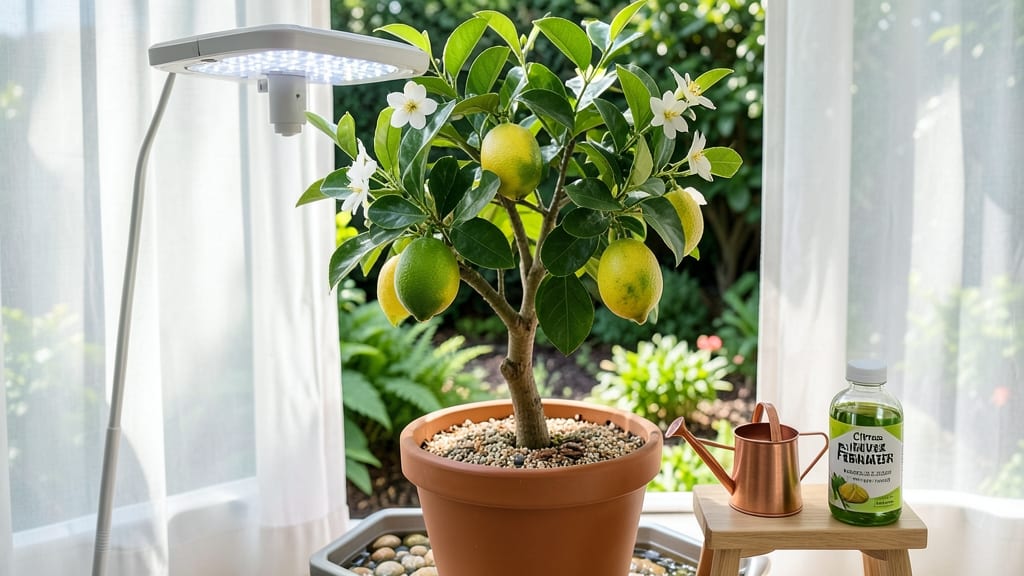
Growing lemons indoors means zesty harvests even in a tiny apartment. 🌱 I’ve turned my sunroom into a citrus grove, and the secret isn’t fancy equipment—it’s matching your lemon tree’s needs with what you can control.
Meyer lemons are the perfect starter variety because they’re compact, cold-hardy, and produce fruit reliably indoors.
The right setup starts with a 10-15 gallon pot (or larger as it grows), well-draining soil, and a south-facing window or grow light. Overwatering is the #1 killer, so let the top inch of soil dry out before watering again.
I’ve killed three trees this way—don’t make my mistake. A humidity tray or occasional misting keeps leaves from getting crispy, and regular pruning keeps the tree manageable.
By next summer, you’ll be picking sweet, fragrant lemons that taste better than anything from the store. The first fruit might take a year or two, but the journey is worth it—imagine fresh lemonade anytime, no grocery trip required.
The smell alone makes it feel like a mini vacation in your home.
This works for any indoor space with enough light, whether you’re in a bright kitchen or a dim corner with a grow light. Let’s get those roots growing!
📚 In This Guide
- What you need
- Instructions
- Tips and common mistakes
- Wrapping up and next steps
What you need
- ● Lemon Tree: A healthy Citrus limon sapling (dwarf varieties like 'Meyer' or 'Eureka' work best). Look for a 1–3-year-old plant with vibrant green leaves.
- ● Container: A pot with drainage holes (12–18 inches in diameter for mature trees; 8–10 inches for young plants). Terracotta or ceramic pots help regulate moisture.
- ● Well-Draining Soil: A mix of 50% potting soil, 30% perlite or coarse sand, and 20% compost (or a pre-made citrus blend). Avoid heavy garden soil!
- ● Grow Lights: A full-spectrum LED grow light (15–20 watts per square foot) or a sunlight simulation bulb for 6–8 hours daily if natural light is limited.
- ● Watering Can: With a narrow spout to avoid disturbing the soil.
- ● Fertilizer: A balanced citrus fertilizer (e.g., 6-6-6 or 8-3-9 NPK ratio) or organic options like fish emulsion. Follow label instructions—usually every 4–6 weeks.
- ● Humidity Tray: A shallow tray with pebbles and water to boost humidity (especially in dry climates).
- ● Pruning Shears: Clean, sharp shears for trimming dead leaves or shaping the tree.
- ● Self-Watering Pot: Reduces the risk of over/under-watering for busy plant parents.
- ● Citrus Spray: Organic neem oil spray to deter pests like aphids or spider mites.
- ● Support Stakes: For young trees to prevent toppling as they grow.
- ● Decorative Accents: A cute pot saucer or matching planters to elevate your citrus vibes!
Step-by-Step instructions for growing lemons indoors
Here's the method I've used to keep four thriving lemon trees indoors—no greenhouse needed.
🪴 Step 1: Choose the Right Container and Drainage
Start with a pot that's at least 12-15 inches wide and just as deep, with multiple drainage holes. I use terracotta because it breathes and prevents root rot. If your pot lacks drainage, drill holes yourself—just don't go bigger than ½ inch to keep soil in place.
Place a layer of ½ inch gravel or broken pottery in the bottom before adding soil. This creates an air pocket that prevents soggy roots. The first year, you'll repot every 6-8 months as the tree grows, so choose a pot with handles for easy moving.
🌱 Step 2: Use Well-Draining Soil and Plant Properly
Fill the pot with a mix of 60% potting soil, 30% perlite or coarse sand, and 10% compost. This combination drains well while holding enough moisture. I avoid garden soil—it compacts and suffocates roots.
Plant your lemon tree at the same depth it was growing before, with the soil line matching the original pot. Press gently around the edges to eliminate air pockets. Water thoroughly until it drains from the bottom, then let it sit for 10 minutes before placing it in its permanent spot.
☀️ Step 3: Position for Maximum Sunlight
Lemons need 6-8 hours of direct sunlight daily. A south-facing window is ideal, but if yours isn't sunny enough, supplement with a grow light placed 6-12 inches away for 12-14 hours daily. You'll know the light is right when new leaves are a vibrant green—not pale or stretched.
Rotate the pot a quarter turn weekly so the tree grows evenly. I notice leggy growth when the light isn't reaching all sides—this means the tree is stretching toward the window. Adjust immediately to prevent weak stems.
💧 Step 4: Water and Fertilize for Healthy Growth
Water when the top 1-2 inches of soil feel dry. Stick your finger in—if it's damp, wait another day. Overwatering is the #1 killer of indoor citrus. I use room-temperature water to avoid shocking the roots, and I always water at the base, never from above.
Fertilize every 2 months with a balanced citrus fertilizer (like 8-8-8 or 10-10-10). Cut back to monthly in winter when growth slows. You'll see new leaves and buds forming within 4-6 weeks after fertilizing—this is your sign everything's working.
✂️ Step 5: Prune and Encourage Fruit Production
Prune in late winter or early spring to shape the tree and encourage fruiting. Cut back leggy branches and any that cross or rub together. Use clean, sharp pruners to make cuts just above a leaf node. This prevents disease and promotes bushier growth.
If your tree isn't flowering after a year, it may need a rest. Move it to a cooler spot (55-60°F) for 4-6 weeks
Tips & tricks for perfect indoor lemon trees
Real talk: Growing lemons indoors isn't rocket science, but these small details make all the difference between a struggling plant and a fruit-bearing powerhouse.
Drainage is Non-Negotiable: In Step 1, when you're prepping that gravel layer, don't skimp on the ½-inch thickness. I've seen root rot ruin perfectly healthy trees because someone used pebbles that were too small or packed too tightly. The gravel needs to create actual air pockets—think of it like a drainage highway for roots. And if you're using broken pottery instead of gravel, make sure the pieces are at least ½ inch thick to prevent soil from clogging the gaps.
Lighting Hacks for Small Spaces: For Step 3, if your south-facing window isn't an option, LED grow lights are your best friend. Place them 6-12 inches away and run them for 12-14 hours daily, but here's what nobody tells you—rotate the tree's position under the light every 2-3 days. This prevents the tree from growing lopsided toward the light source, which can happen faster than you think. I've had trees develop permanent bends after just 3 weeks of uneven light exposure.
Fertilizer Timing Matters: When you're fertilizing every 2 months in Step 4, here's the secret: split that dose in half and apply it twice, 3 weeks apart. This mimics natural seasonal growth patterns and prevents fertilizer burn. I also recommend flushing the soil with plain water after 4-6 weeks of fertilizing—just run water through the drainage holes until it comes out clean. This removes any salt buildup that can harm roots over time.
Pruning for Fruit Production: In Step 5, when you're pruning, focus on creating an open center rather than just cutting back leggy branches. The goal is to let light and air circulate to the inner branches where fruit develops. After pruning, wipe your pruners with rubbing alcohol between cuts to prevent spreading any potential diseases from one branch to another. And if you're worried about making clean cuts, practice on some twigs first—you'll get the hang of it.
Pro Tips for Growing Lemons Indoors
- Real talk: Growing lemons indoors isn't rocket science, but these small details make all the difference between a struggling plant and a fruit-bearing powerhouse.
- Drainage is Non-Negotiable: In Step 1, when you're prepping that gravel layer, don't skimp on the ½-inch thickness.
- Lighting Hacks for Small Spaces: For Step 3, if your south-facing window isn't an option, LED grow lights are your best friend.
Frequently asked questions
Got questions about growing lemons indoors? You’re not alone—this citrus adventure comes with its own set of curiosities! Here are answers to the most common queries to keep your indoor lemon tree thriving.
How long does it take for an indoor lemon tree to bear fruit?
Patience is key! A healthy indoor lemon tree typically takes 3–5 years to produce fruit, depending on variety, care, and sunlight. Dwarf varieties like Meyer lemons may fruit sooner (1–3 years), while standard types need more time. Focus on consistent light, water, and nutrients—your efforts will pay off!
Can I grow lemons indoors in winter without extra lights?
Short answer: Not ideal. Lemons need 6–8 hours of direct sunlight daily—a south-facing window may suffice in mild winters, but most homes lack enough light. Supplement with a grow light (LED or fluorescent) 12–16 hours/day to prevent leaf drop or stunted growth. Without light, your tree will struggle to fruit.
Why are my lemon tree leaves turning yellow?
Yellow leaves usually signal overwatering, underwatering, or nutrient deficiencies. Check soil moisture—it should be damp but not soggy. Adjust watering (every 1–2 weeks) and fertilize monthly with a citrus-specific feed. Yellowing edges? Low humidity or fluoride in tap water might be the culprit—try distilled water or a pebble tray for moisture.
What’s the best indoor lemon tree alternative if I don’t have space?
If lemons feel too demanding, try these low-maintenance citrus friends:
- Calamondin orange: Tiny, fragrant, and self-pollinating—perfect for pots!
- Kumquat: Hardy, sweet-tart fruit, and thrives in partial shade.
- Meyer lemon (dwarf variety): Compact but still productive.
How often should I repot my indoor lemon tree?
Repot every 2–3 years or when roots circle the pot. Spring is the best time—choose a container 1–2 inches larger with drainage holes. Use a well-draining citrus mix (cactus soil + perlite). Pro tip: Prune 1/3 of the roots during repotting to encourage new growth!
Wrapping up and next steps
Growing lemons indoors isn’t just a rewarding hobby—it’s a delicious way to bring sunshine into your home year-round! 🌿 With the right container, sunlight hacks, and a little patience, you can enjoy fresh, homegrown citrus anytime.
Whether you’re a beginner or a seasoned plant parent, the key is consistency and love.
Ready to take the next step? Start with one plant and experiment with care techniques. Before you know it, you’ll be harvesting lemons for homemade lemonade, zest for baking, or even gifts for friends! 🍋✨