
Plants
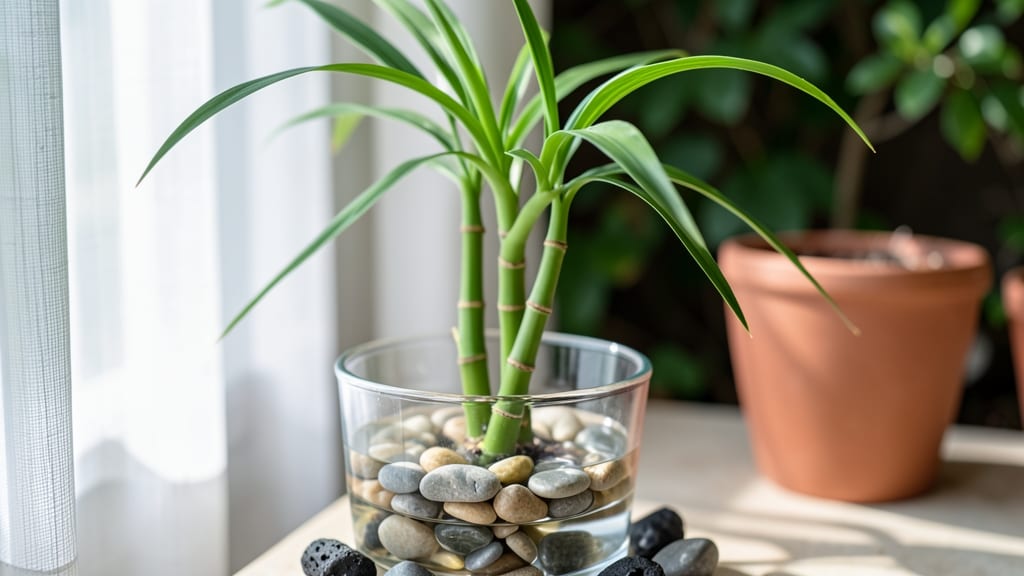
Growing bamboo indoors transformed a dim corner into a lush privacy screen—no yard needed. 🌱 The trick is choosing the right variety (like Dracaena sanderiana) that thrives in low light and small spaces, while keeping its growth in check. What started as a single stalk now forms a dense, green curtain that blocks drafts and adds tropical vibes to any room.
You'll need just three things: a container with drainage (10-12 inches deep), well-draining soil mix, and a spot with indirect light. Most people overwater, but bamboo prefers consistently moist—not soggy—soil.
I check moisture with my finger before watering, and the plants reward me with glossy leaves and steady growth. The real secret? Pruning regularly to control height and encourage bushiness.
By winter's end, your bamboo will look shockingly lush, with new shoots pushing through every few weeks. The air stays fresher, the space feels cozier, and you'll have a plant that actually thrives in your home's conditions.
Even my black thumb can't kill these—once you get the basics right, they're practically maintenance-free.
Works perfectly in apartments, offices, or sunrooms where natural light is limited. The same principles apply whether you're growing a single stalk or a full-screen display. Here's how to make it work without the mess or the stress.
📚 In This Guide
- What you need
- Instructions
- Tips and common mistakes
- Wrapping up and next steps
What you need
- ● Bamboo plant: 1–3 Dracaena sanderiana (lucky bamboo) or Bambusa multiplex (clumping bamboo) plants (clumping types are best for indoor growth).
- ● Ensure the plant is healthy, with vibrant green leaves and no yellowing or brown spots.
- ● Container: 1 medium-sized pot (8–12 inches in diameter) with drainage holes (ceramic or plastic).
- ○ Optional: A decorative cache pot (without drainage) to cover the functional pot for aesthetics.
- ● Potting mix: 1 bag (5–10 quarts) of well-draining, aerated soil (e.g., a mix of 50% peat moss, 30% perlite, and 20% sand or orchid bark).
- ● Alternative: Hydroponic growing medium (e.g., gravel or water-only setup for lucky bamboo).
- ● Watering supplies: 1 watering can with a narrow spout (or a spray bottle for misting).
- ○ Optional: Distilled or rainwater (to avoid mineral buildup in soil).
- ● Fertilizer: 1 bottle of balanced liquid fertilizer (e.g., 10-10-10 or 20-20-20, diluted to half-strength).
- ● Alternative: Slow-release granular fertilizer or organic options like fish emulsion.
- ● Pruning tools: 1 pair of sterilized pruning shears or sharp scissors (for trimming yellow leaves or overgrowth).
- ● Light: Bright, indirect light (e.g., near an east- or north-facing window). Tolerates low light but grows slower.
- ● Temperature: 65–80°F (18–27°C) (avoid drafts or cold spots).
- ● Humidity: 40–60% (use a humidifier or place the pot on a pebble tray if your home is dry).
- ● Space: Ensure the container has room to grow (bamboo can reach 6–10 feet tall indoors!).
- ● Grow lights (LED or fluorescent) for low-light spaces.
- ● Decorative rocks or pebbles for aesthetic cache pots.
- ● Bamboo divider screens or trellises to guide vertical growth.
- ● Soil moisture meter to monitor watering levels.
Step-by-Step instructions for growing bamboo indoors
Here’s how to cultivate lush, low-maintenance bamboo that thrives even in dim corners.
🪴 Step 1: Select the Right Bamboo Variety and Container
Choose a clumping bamboo like Bambusa multiplex or Dendrocalamus asper for indoor spaces—they stay contained and won’t spread aggressively. Avoid running bamboo varieties like Phyllostachys, which require outdoor planting and can become invasive.
Use a 12-15 inch deep pot with drainage holes—bamboo roots need room to grow but hate soggy soil. Terra cotta works best because it breathes, preventing root rot. If using plastic, add a layer of gravel at the bottom to improve drainage. Fill the pot with a mix of 50% potting soil and 50% perlite for aeration.
🌱 Step 2: Plant and Position for Optimal Light
Plant your bamboo in early spring when growth is most vigorous. Place the root ball in the center of the pot and backfill with soil, pressing gently to remove air pockets. Water thoroughly until moisture seeps from the drainage holes—this helps settle the soil around the roots.
Bamboo tolerates low to bright indirect light, making it perfect for north-facing windows or shaded rooms. Avoid harsh direct sun, which can scorch leaves. If leaves start yellowing or growing pale, move the plant 2-3 feet closer to a light source. You’ll notice new growth within 4-6 weeks if conditions are right.
💧 Step 3: Water and Fertilize for Healthy Growth
Water when the top 1-2 inches of soil feel dry to the touch—overwatering is the fastest way to kill bamboo. Stick your finger in the soil; if it’s damp past your first knuckle, wait another day. In dry climates, you may water every 5-7 days, while humid spaces might only need weekly watering. Always water at the base to avoid wetting the leaves, which can cause fungal issues.
Feed your bamboo once a month during spring and summer with a balanced liquid fertilizer (10-10-10 or 20-20-20). Reduce feeding in fall and winter, as growth slows. You’ll see stronger canes and fuller foliage if you stick to this routine—just don’t overdo it, or you’ll end up with leggy, weak stems.
✂️ Step 4: Prune and Maintain Year-Round
Trim dead or yellowing leaves with clean bypass pruners to encourage new growth. Cut back any canes that grow too tall for your space—this keeps the plant manageable and prevents it from becoming top-heavy. Prune in late winter or early spring before the growing season kicks in.
Rotate the pot quarter-turn weekly so the plant grows evenly toward the light. If you notice new shoots emerging from the base, gently remove them to prevent overcrowding. Bamboo is forgiving, but neglecting pruning can lead to a messy, unruly plant. With consistent care, your indoor bamboo will grow 3-5 feet tall within a year.
⏰ Step 5: Overwinter for Next Year’s Growth
As temperatures drop below 50°F, reduce watering to every 10-14 days—bamboo goes semi-dormant in winter. Keep it in a cool but bright spot (like a sunroom) to mimic natural seasonal changes. Avoid fertilizing during this time, as the plant isn’t actively growing.
Check for pests like spider mites or aphids, which love dry indoor air. Wipe leaves with a damp cloth if you spot dust or sap. By late winter, you’ll see fresh shoots signaling it’s time to resume regular care. With patience, your bamboo will become a lush, year-round privacy screen—no yard required.
Tips & tricks for perfect indoor bamboo growth
Here's what nobody tells you about keeping your indoor bamboo thriving for years.
Container Wisdom: While terra cotta is ideal, if you must use plastic, drill extra drainage holes along the sides—bamboo roots need oxygen as much as they need water. I've seen plastic pots cause root rot within weeks when drainage is inadequate. Also, avoid decorative pots without drainage; they're a death sentence for bamboo.
Light Secret: That 4-6 week growth window mentioned in Step 2? It's actually a minimum. In optimal conditions with bright indirect light, you'll see new shoots appearing as early as 3 weeks. Watch for the first signs of fresh green growth near the base—this is your plant telling you it's happy. If growth stalls after 6 weeks, it's time to move closer to a light source.
Watering Technique: The finger test in Step 3 works, but here's the pro move: Use a chopstick or clean skewer to check moisture deeper in the pot. Bamboo roots can rot before the top 2 inches dry out, especially in plastic containers. I've had bamboo recover from overwatering when I caught it early by checking deeper moisture levels.
Fertilizer Strategy: That once-a-month feeding in spring/summer? Think of it as a snack schedule. Bamboo grows in bursts, so fertilize right when you see new shoots emerging—not on a fixed calendar. And if you notice yellowing leaves after feeding, flush the soil with water to prevent salt buildup from fertilizers. Diluting your fertilizer to half-strength also works wonders for sensitive plants.
Pro Tips for Growing Bamboo Indoors
- Here's what nobody tells you about keeping your indoor bamboo thriving for years.
- Container Wisdom: While terra cotta is ideal, if you must use plastic, drill extra drainage holes along the sides—bamboo roots need oxygen as much as they need water.
- Light Secret: That 4-6 week growth window mentioned in Step 2?
Frequently asked questions
Got questions about growing bamboo indoors?
You’re not alone! Here are some of the most common concerns—and their solutions—to help you cultivate a lush, low-light-friendly bamboo plant with confidence.
Can bamboo really thrive indoors without sunlight?
Yes! While bamboo prefers bright, indirect light, low-light-tolerant varieties like Bambusa multiplex or Dendrocalamus asper can adapt to indoor conditions. Place it near a north-facing window or under grow lights (12–14 hours/day) for best results. Yellowing leaves? It’s likely craving more light—rotate the pot occasionally for even growth.
How fast will my indoor bamboo grow, and when can I expect privacy?
Indoor bamboo grows slower than outdoor varieties—expect 1–3 feet per year under ideal conditions. For a privacy screen (6+ feet tall), it may take 3–5 years. To speed things up, use a larger container (15+ gallons), fertilize monthly with a balanced liquid feed, and prune regularly to encourage bushier growth. Patience is key!
Why is my bamboo’s soil always soggy, and how do I fix it?
Soggy soil is a red flag for root rot, often caused by overwatering or poor drainage. Let the top 2–3 inches of soil dry out between waterings, and ensure your pot has drainage holes. Mix in perlite or orchid bark (20%) into potting soil to improve aeration. If roots smell foul or turn mushy, trim the affected areas and repot with fresh, well-draining mix.
Is clumping bamboo safer than running bamboo for indoor growth?
Absolutely!
Clumping bamboo (e.g., Bambusa vulgaris ‘Wamin’) is the only type suitable for indoor containers—it won’t spread aggressively like running bamboo. Running varieties (e.g., Phyllostachys) send out rhizomes that can crack pots or invade your home. Always check labels or ask nurseries for clumping, non-invasive species before buying.
Can I move my bamboo outdoors in summer for faster growth?
Yes, but gradually! Acclimate your bamboo to outdoor conditions over 1–2 weeks by placing it in partial shade first. Avoid full sun to prevent leaf scorch. If temperatures drop below 40°F (4°C), bring it back inside. Pro tip: Use a mesh pot sleeve to protect roots from temperature swings during transitions.
Wrapping up and next steps
Growing bamboo indoors isn’t just possible—it’s a rewarding way to bring nature’s elegance into your space! With the right low-light-friendly varieties, proper care, and a dash of patience, you’ll enjoy lush, fast-growing privacy that thrives even in cozy corners. 🌿✨
Ready to take the next step? Start by selecting your bamboo type, gathering supplies, and giving your plant the love it deserves. Watch it grow—and soon, you’ll have a thriving indoor oasis that’s as stylish as it is functional!