
Plants
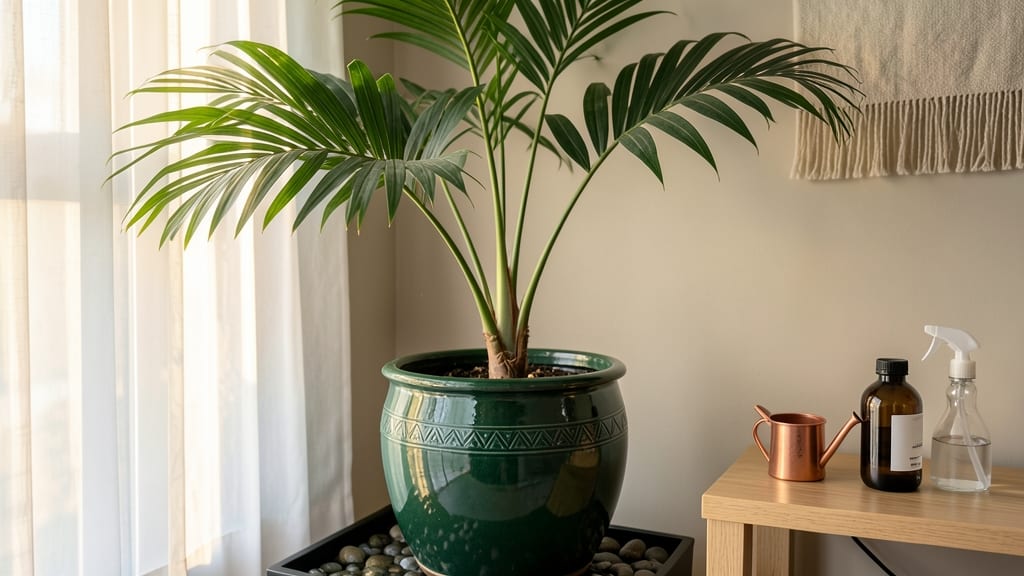
Growing a majesty palm indoors transforms any room into a lush tropical retreat. ✨ I've nurtured these elegant plants for years, and they thrive where most palms would give up—even in low-light apartments. The secret lies in mimicking their natural understory habitat with just the right care.
You'll need a pot with drainage holes, well-draining soil mix, and patience for gradual growth. Majesty palms grow slowly but steadily, reaching heights of 6-10 feet indoors over time. Their arching fronds create that signature "palm tree" look without needing bright sunlight.
What you'll love is how they clean the air while adding vertical drama to small spaces. The fronds stay vibrant green year-round with consistent moisture and occasional misting. They're perfect for offices, living rooms, or bedrooms where you want nature's touch.
Fair warning: these palms don't like sudden temperature changes or drafts. Keep them near a window where they get indirect light, and you'll have a houseplant that grows for decades with minimal fuss.
📚 In This Guide
- What you need
- Instructions
- Tips and common mistakes
- Wrapping up and next steps
What you need
- ● Majesty Palm Plant: 1 healthy specimen (size depends on preference—smaller pots are easier for beginners).
- ● Pot: 1 drainage hole-equipped container (12–18" diameter for mature plants; 6–10" for juveniles). Pro tip: Terracotta or ceramic pots help regulate moisture! 🌡️
- ● Well-draining potting mix: 1 bag (5–10 gallons) of a blend like 60% peat/coir, 20% perlite, 20% sand (or a pre-mixed palm/tropical mix).
- ● Drainage layer: 1–2 inches of gravel, pebbles, or broken pottery (placed at the pot’s bottom).
- ● Watering can: 1 with a narrow spout (to avoid overwatering).
- ○ Humidity tray or pebble tray: 1 (optional but helpful for low-humidity homes).
- ● Misting bottle: 1 (for occasional leaf misting).
- ● Fertilizer: 1 bottle of balanced liquid fertilizer (10-10-10 or 20-20-20) or slow-release palm pellets.
- ● Pruners: 1 pair of sterilized, sharp pruners (for trimming dead fronds).
- ○ Gloves (optional):strong> 1 pair (to protect from sap irritation).
- ● Light: A spot with bright, indirect light (east/west-facing windows or 10–20 feet from a south window). No direct sun! ☀️🚫
- ● Temperature: Keep between 65–80°F (18–27°C)—avoid drafts or cold windows.
- ● Patience: Majesty Palms grow 1–2 feet per year—slow and steady wins the race! 🐢
Step-by-step guide to growing a Majesty palm indoors
This elegant palm thrives in low light—here's how to nurture it into a statement piece.
🪴 Step 1: Select the Right Pot and Soil Mix
Choose a pot with drainage holes that's 2-4 inches larger in diameter than the current root ball. Majesty palms hate soggy roots, so terracotta or ceramic works best—these materials wick away excess moisture. I always inspect the drainage holes first; if they're too small, I enlarge them with a nail to prevent waterlogging.
Use a well-draining potting mix designed for palms or tropical plants. I blend 60% peat moss, 20% perlite, and 20% orchid bark for the perfect airy texture. This mix mimics the palm's natural habitat while preventing compaction. Water the mix thoroughly before planting to eliminate air pockets that could suffocate roots.
🌱 Step 2: Plant and Position for Low-Light Success
Remove the palm from its nursery pot and gently loosen the root ball with your fingers. If roots are circling tightly, use a knife to make 2-3 vertical cuts to encourage outward growth. Place the palm in the new pot so the top of the root ball sits ½ inch below the rim—this prevents overwatering while keeping the plant stable.
Majesty palms tolerate low light but grow best in bright, indirect light. Position it near an east-facing window or 3-5 feet from a south-facing window. You'll notice the fronds growing upright and lush when light is ideal; if they lean or yellow, it's a sign of insufficient light or overwatering. Avoid direct sunlight, which can scorch the delicate fronds.
💧 Step 3: Water and Humidity Care for Year-Round Health
Water your Majesty palm when the top 2-3 inches of soil feel dry to the touch. Stick your finger in the soil—if it's damp past your first knuckle, wait another day. Majesty palms prefer consistent moisture but despise soggy conditions. I water deeply until it drains from the bottom, then empty the saucer after 10 minutes to prevent root rot.
These palms thrive in humidity levels of 50-70%. If your home is dry, place the pot on a tray filled with pebbles and water, or use a humidifier nearby. You'll see the fronds stay vibrant and crisp rather than turning brown and crispy. Mist the fronds lightly every few days, but avoid wetting the crown where fronds meet the stem—this can cause rot.
✂️ Step 4: Prune and Fertilize for Long-Term Growth
Remove any yellow or brown fronds at the base using clean, sharp pruners. Cut just above the point where the frond meets the stem to keep the plant looking tidy. I prune in early spring to encourage new growth, but avoid heavy pruning—Majesty palms grow slowly and don't recover well from aggressive trimming. Never prune more than 20% of the fronds at once.
Fertilize every 4-6 weeks during spring and summer with a balanced liquid fertilizer (10-10-10 or 20-20-20). Reduce feeding to once every 2-3 months in fall and winter when growth slows. Over-fertilizing causes salt buildup in the soil, which you'll notice as white crust on the surface or leaf tips turning brown. Always water the plant before fertilizing to prevent root burn.
🌿 Step 5: Monitor and Adjust for Seasonal Changes
In winter, reduce watering slightly—Majesty palms go dormant and need less moisture. Check the soil weekly and water only when the top 3-4 inches feel completely dry. You'll see new fronds emerge in spring as the plant wakes up from dormancy. If the air in your home gets very dry from indoor heating, increase humidity with a pebble tray or humidifier.
Rotate the pot ¼ turn every 2-3 weeks so the plant grows evenly toward the light. Majesty palms can develop a lopsided appearance if they lean toward a light source. If you notice pests like spider mites or mealybugs, wipe the fronds with a damp cloth and treat with insecticidal soap. Prevention is key—keep your palm healthy, and pests will rarely become an issue.
Tips & tricks for perfect Majesty palm growth
Between us, these small details make the difference between a struggling houseplant and a thriving statement piece.
Root Health First: When repotting, I can't stress enough how important those drainage holes are. If your pot doesn't have them, drill them yourself—your Majesty palm's roots will thank you. I've seen too many palms suffer from root rot because of ignored drainage. Also, that ½-inch gap below the rim isn't just for looks—it prevents water from pooling and suffocating the roots. Think of it as your palm's personal flood protection system.
Light Positioning Secret: That east-facing window recommendation isn't arbitrary—it's about finding the perfect balance. Too little light and your palm will stretch toward the window, growing leggy and weak. Too much direct sun and you'll get crispy brown tips. I've found the sweet spot is 3-5 feet from a south-facing window where the light is bright but diffused, like natural room lighting. If you're working with fluorescent office lights, keep the palm 2-3 feet away for similar results.
Watering Wisdom: The finger test is your best friend here. That top 2-3 inches should feel dry before you water again—it's the only reliable way to judge. I've learned the hard way that those saucers under pots aren't decorative—they're there to catch excess water. Always empty them after 10 minutes to prevent the roots from sitting in water. And remember, Majesty palms would rather have slightly dry soil than soggy roots. It's better to water less frequently but thoroughly each time.
Humidity Hack: If your home's humidity drops below 50%, you'll notice it immediately in those crispy brown tips. The pebble tray method works wonders—just fill a shallow tray with pebbles and water, then place your pot on top. The evaporating water creates a mini humidifier right where your palm needs it. For extra insurance, mist the fronds every few days, but always avoid getting water in that crown area where fronds meet the stem—it's the one spot where moisture can cause problems.
Pro Tips for Growing A Majesty Palm Indoors
- Between us, these small details make the difference between a struggling houseplant and a thriving statement piece.
- Root Health First: When repotting, I can't stress enough how important those drainage holes are.
- Light Positioning Secret: That east-facing window recommendation isn't arbitrary—it's about finding the perfect balance.
Frequently asked questions
Got questions about growing a Majesty Palm indoors?
You’re not alone! Here are some common concerns—and their solutions—to help you nurture this stunning, low-light-loving plant with confidence.
How often should I water my Majesty Palm?
Water your Majesty Palm when the top 2-3 inches of soil feel dry to the touch. Overwatering is the biggest risk—stick to every 1-2 weeks in winter and weekly in summer. Use well-draining soil and a pot with drainage holes to prevent root rot. Pro tip: Let excess water drain completely!
Can a Majesty Palm survive in artificial light?
Yes! While it thrives in bright, indirect light, a Majesty Palm can adapt to fluorescent or LED grow lights (12-14 hours/day) if natural light is limited. Position lights 6-12 inches away for optimal growth. Avoid direct sunlight from windows—it can scorch the leaves.
Why are the tips of my Majesty Palm turning brown?
Brown tips usually mean low humidity or underwatering. Increase humidity with a pebble tray or humidifier (aim for 40-60%). Mist the leaves lightly, but avoid over-misting, which can cause fungal issues. Check for pests like spider mites too—they love dry conditions!
Is a Majesty Palm pet-friendly?
Good news! Majesty Palms are non-toxic to cats and dogs, making them a safe choice for pet owners. However, always monitor your pet’s interest—ingesting large amounts of any plant can cause mild stomach upset. Bonus: Their air-purifying qualities make them a win-win!
How do I repot my Majesty Palm?
Repot every 2-3 years or when roots crowd the pot. Choose a container 2 inches wider than the current one. Spring is ideal! Gently remove the plant, loosen roots, and refresh the soil with a well-draining mix (cactus/succulent blend works well). Water lightly after repotting.
What’s a good alternative if my Majesty Palm struggles?
If your space is too dry or dim, consider these Majesty Palm look-alikes:
- Parlor Palm – Thrives in low light and humidity.
- Areca Palm – Loves humidity but tolerates medium light.
- Dwarf Date Palm – Compact and adaptable.
Wrapping up and next steps
Growing a Majesty Palm indoors is a rewarding journey that brings a touch of tropical elegance to your space—even in low-light conditions! 🌿 With the right care, patience, and a few simple tricks, you’ll enjoy its lush fronds and air-purifying benefits for years.
Remember, consistency is key, whether it’s watering, dusting those leaves, or troubleshooting pests early.
Now that you’re armed with all the know-how, go ahead and give your Majesty Palm the love it deserves!
Start by checking its light exposure this week, then treat yourself to the joy of watching it thrive. Next step? Share your progress with fellow plant parents or experiment with a new decorative pot to elevate its beauty even more! 🌟