
Orchid Care
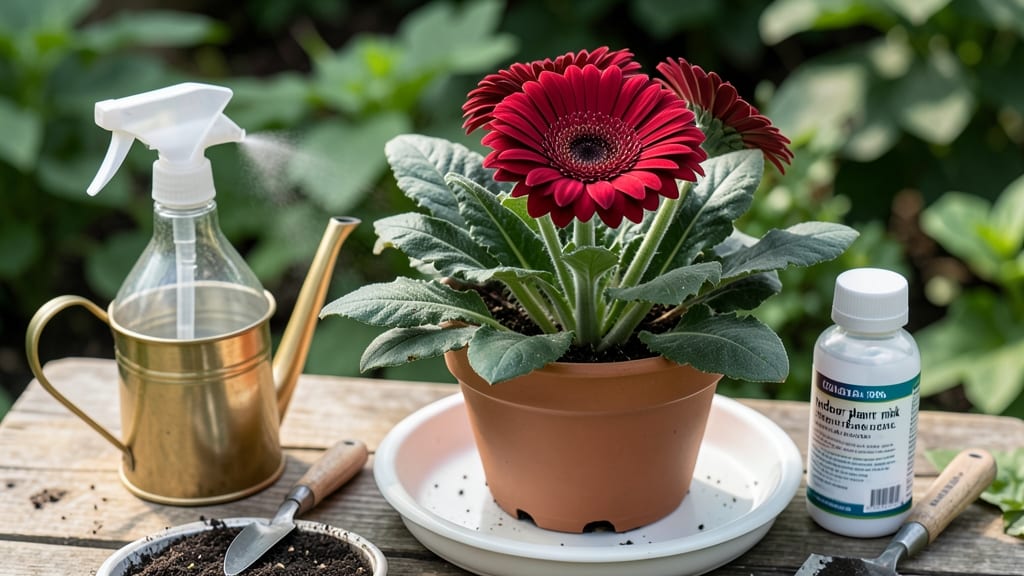
Gerbera care indoor is all about mastering a few simple light tricks—bright, indirect light for 6-8 hours daily keeps those vibrant blooms coming. 🌸 I’ve kept mine flowering for months by rotating the pot weekly so all sides get equal sun exposure, and the results are worth the small effort.
The secret isn’t complicated: these daisies hate soggy roots but need consistent moisture. Water when the top inch of soil feels dry, and always use a pot with drainage holes to prevent root rot. A peaty, well-draining potting mix keeps them happy without fuss.
With the right care, you’ll enjoy nonstop blooms—deep reds, sunny yellows, or soft pinks—that last for weeks. The key is balancing light, water, and a little fertilizer (every 4-6 weeks) to keep them putting out fresh flowers all season.
Even in low-light apartments, a grow light can save your gerberas. Just mimic natural sunlight, and you’ll have a cheerful indoor garden that outshines any store-bought bouquet.
📚 In This Guide
- What you need
- Instructions
- Tips and common mistakes
- Wrapping up and next steps
What you need
- ● Gerbera daisy plant(s): Choose healthy, blooming plants with vibrant petals (avoid wilted or yellowing leaves). Quantity: 1–3 plants (depending on space).
- ● Well-draining potting mix: Opt for a lightweight, airy blend (e.g., 60% peat moss or coco coir + 30% perlite + 10% sand or vermiculite). Quantity: 1–2 gallons per plant.
- ○ Pot with drainage holes: Select a 6–8 inch diameter container (terracotta or ceramic works best). Optional: Add a saucer for water collection.
- ● Watering can or spray bottle: A gentle spray nozzle helps avoid overwatering.
- ● Fertilizer: Use a balanced liquid fertilizer (10-10-10 or 20-20-20) or a slow-release granular fertilizer for gerberas. Quantity: Follow package instructions (typically 1 tbsp per gallon of water).
- ● Pruning shears or scissors: Clean, sharp tools to trim dead blooms or leaves.
- ○ Humidity tray or pebble tray: Helps maintain 40–60% humidity (optional but recommended for dry indoor air).
- ● Grow lights: A full-spectrum LED grow light (12–16 hours/day) if natural light is insufficient.
- ● Plant food or compost: For a nutrient boost, mix in worm castings or compost (10–20% of potting mix).
- ● Mulch (orchid bark or pine needles): Helps retain moisture and mimic natural conditions.
- ● Plant mister or humidifier: Keeps leaves lush and prevents browning.
- ● Support stake or small cage: Useful if stems grow tall and need extra support.
Step-by-Step guide to caring for indoor gerbera daisies
These cheerful bloomers thrive indoors with just a few light tricks and consistent habits.
🪴 Step 1: Select the Right Pot and Soil Mix
Gerberas need pots with drainage holes to prevent root rot—6-8 inch diameter containers work perfectly for each plant. I use a lightweight, airy potting mix blended with 20% perlite to improve drainage and aeration. The soil should feel slightly damp but never soggy when squeezed.
Here's the thing—gerberas hate compacted soil. If you're repotting, gently loosen any roots circling the root ball before placing them in fresh mix. The first watering after repotting should be light to encourage root spread without drowning the plant.
☀️ Step 2: Position for Optimal Light Exposure
Gerberas demand bright, indirect light for at least 6-8 hours daily. A south-facing window delivers the best results, but east or west exposures work too. You'll notice leaves turning pale or stretching toward light? That's your cue to move the plant closer to the window.
I always rotate my gerberas a quarter turn weekly so they grow evenly. The stems should stay upright, not leaning toward one side. If your space lacks natural light, supplement with a full-spectrum LED grow light positioned 12-18 inches above the plant for 12-14 hours daily.
💧 Step 3: Master the Watering Routine
Water when the top inch of soil feels dry to touch. I check this by sticking my finger in the soil—if it's dry at that depth, it's time to water. Gerberas despise soggy roots, so always water at the base and avoid wetting the leaves to prevent fungal issues.
Use room-temperature water to avoid shocking the roots. In winter, when indoor air is dry, I increase humidity slightly by placing the pot on a tray of pebbles with water. Watch for lower leaves yellowing—they're the first to signal overwatering or poor drainage.
✂️ Step 4: Encourage Continuous Blooming
Deadhead spent blooms immediately by snipping the stem ½ inch above the next set of leaves. This redirects the plant's energy into producing fresh buds instead of seeding. I do this every 2-3 days during peak bloom season to keep my gerberas looking their best.
After each flush of blooms, feed with a balanced liquid fertilizer (10-10-10) diluted to half-strength. I fertilize every 4-6 weeks during active growth, but cut back in winter when growth slows. Over-fertilizing burns roots—always follow the package instructions.
🌿 Step 5: Maintain Ideal Temperature and Airflow
Keep gerberas in temperatures between 60-75°F during the day and no lower than 50°F at night. Drafts from windows or vents can stress the plants, causing buds to drop. I position mine away from heating/cooling sources but still in bright light.
Good airflow prevents fungal diseases. I gently brush the foliage weekly with a soft brush to remove dust and encourage new growth. If you notice white powdery spots on leaves, that's powdery mildew—immediately isolate the plant and treat with neem oil.
Tips & tricks for perfect indoor gerbera daisy care
Here's what nobody tells you about keeping these vibrant bloomers thriving—simple secrets that make all the difference.
Soil Selection Tip: The 20% perlite blend in Step 1 isn't just about drainage—it's about aeration. I've found that adding a handful of coarse sand to your mix creates even better airflow for those delicate roots. This prevents that dreaded "soggy bottom" look while keeping moisture just right. Confession: I skipped this for years and wondered why my gerberas always seemed stressed.
Light Exposure Hack: That 6-8 hours of bright, indirect light in Step 2 is non-negotiable, but here's the trick: if you notice buds forming but not opening, your plant needs more light intensity, not duration. Move it closer to the window or increase your grow light's brightness by 20%. I've seen gerberas with buds that never opened because they were getting light but not enough intensity to trigger blooming.
Watering Wisdom: The top inch dry test in Step 3 works, but here's what I do differently: I water in the morning so any excess drains away before nightfall. This prevents fungal issues that can develop from prolonged moisture. And watch for those lower leaves turning yellow—they're the first to show you're overwatering, not the top leaves where you might notice first.
Temperature Matters: Those 60-75°F daytime temps in Step 5 are ideal, but sudden drops below 50°F at night can cause buds to drop like they've been sabotaged. I keep mine away from drafty windows and use a small space heater (set to low) near the plant during winter nights if needed. The difference between a thriving gerbera and one that gives up is often just a few degrees.
Pro Tips for Gerbera Care Indoor
- Here's what nobody tells you about keeping these vibrant bloomers thriving—simple secrets that make all the difference.
- Soil Selection Tip: The 20% perlite blend in Step 1 isn't just about drainage—it's about aeration. I've found that ad...
- Light Exposure Hack: That 6-8 hours of bright, indirect light in Step 2 is non-negotiable, but here's the trick: if y...
Frequently asked questions
Got questions about keeping your gerbera daisies thriving indoors?
Here are some of the most common concerns—and their solutions—to help you enjoy those cheerful blooms all year round!
How much light do gerbera daisies really need indoors?
Gerberas crave bright, indirect light for 6–8 hours daily. A south- or west-facing window is ideal, but avoid harsh direct sun (like midday rays), which can scorch petals. If natural light is limited, supplement with a grow light 12–14 inches away for 12–14 hours/day. Signs of low light? Leggy stems or sparse blooms—time to move them closer to a sunny spot!
Why are my gerbera leaves turning yellow?
Yellowing leaves usually signal overwatering or poor drainage. Let the top inch of soil dry out between waterings, and ensure your pot has drainage holes. Check for root rot too—gently tug on the plant; if it resists, roots may be mushy. Pro tip: Use a moisture meter or stick your finger in the soil to test!
How often should I water indoor gerbera daisies?
Water when the top 1–2 inches of soil feel dry—typically every 2–3 days, but adjust for humidity/temperature. Never let them sit in soggy soil; gerberas hate "wet feet." Use room-temperature water and bottom-water (place the pot in a tray of water for 10 mins) to encourage deep root growth and prevent fungal issues.
Can I make my gerbera daisies rebloom indoors?
Yes! After the first flush of blooms fades, trim spent stems just above a leaf node to encourage new growth. Feed with a balanced liquid fertilizer (like 10-10-10) every 4–6 weeks during spring/summer. Bonus trick: Pinch back leggy stems to promote bushier, fuller plants—and more blooms!
What’s the best soil mix for potted gerberas?
Gerberas thrive in well-draining, slightly acidic soil (pH 5.8–6.5). Mix 50% peat or coconut coir with 30% perlite or pumice and 20% compost for optimal aeration. Avoid heavy garden soil—it compacts and suffocates roots. Repot every 1–2 years to refresh nutrients and prevent root-bound stress.
Are indoor gerberas prone to pests, and how do I stop them?
Watch for aphids, spider mites, or fungus gnats, especially in dry or crowded conditions. Isolate the plant if you spot pests, then wipe leaves with neem oil or a mild insecticidal soap. For gnats, let the soil dry slightly between waterings and top-dress with sand or cinnamon to deter larvae.
Wrapping up and next steps
Caring for indoor gerbera daisies is all about balancing light, water, and a little TLC—and the rewards are worth it!
With the right pot, soil, and a sunny spot (or grow light), you’ll enjoy those stunning blooms for months. 🌸 Don’t let a few challenges discourage you—gerberas thrive with patience and consistency.
Ready to level up your indoor garden? Start by picking your favorite variety and watch those vibrant petals brighten your space year-round. Grab your supplies and get growing!