
Planting
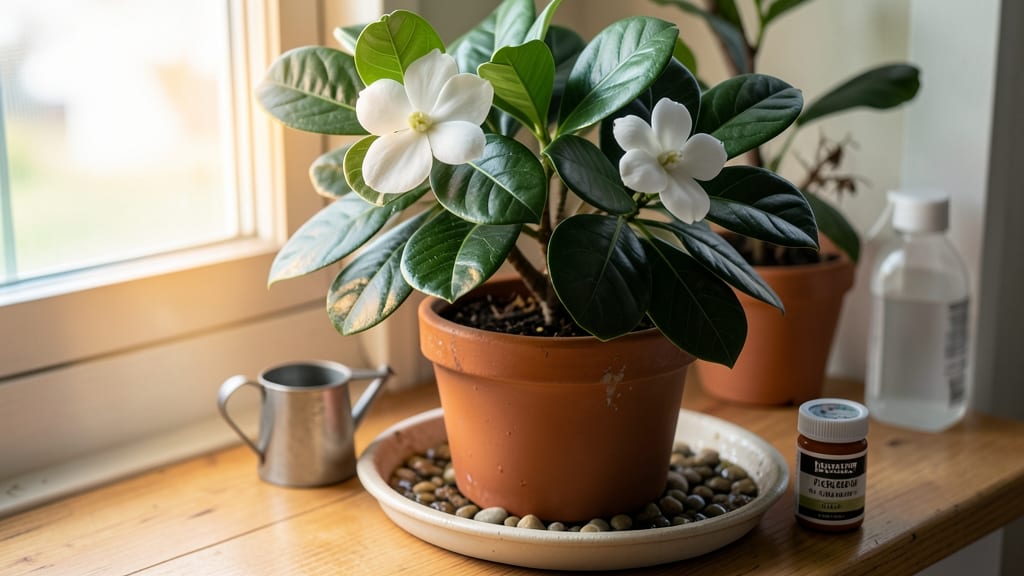
Indoor gardenia plant care starts with light and humidity—two things most homes get wrong. 🌿 I’ve nursed gardenias back from yellow leaves and sparse blooms by mastering these two factors, and once you do, your plant will reward you with fragrant white blooms that last for weeks.
The key isn’t complicated: bright, indirect light (no harsh sun) and humidity levels that mimic their tropical roots. Skip either, and you’ll end up with a stressed-out plant that drops leaves faster than you can say "wilting."
Your gardenia thrives on morning sun and afternoon shade, so a east- or west-facing window is ideal. If that’s not an option, a grow light on a timer works—just keep it 12-18 inches away to avoid leaf scorch.
Watering is trickier: let the top 1-2 inches of soil dry out between drinks, but never let it bone-dry. Overwatering is the #1 killer, so if the leaves yellow, you’re likely drowning the roots. And here’s the secret: humidity.
Gardenias hate dry air, so mist the leaves daily or use a pebble tray with water underneath the pot. A humidifier near the plant works too.
When it comes to blooms, pruning and feeding make all the difference. After flowering, trim back leggy stems to encourage bushier growth, and fertilize every 4-6 weeks during spring and summer with a balanced liquid fertilizer (half-strength).
The goal is to keep the plant happy year-round so it’s ready to burst into blooms next season. With the right care, your gardenia will become the most fragrant centerpiece in your home—no green thumb required, just consistency.
Troubleshooting is half the battle, so watch for bud drop (usually from drafts or sudden temperature swings) and pests like spider mites (tiny yellow dots on leaves). A quick spray with neem oil or insecticidal soap fixes most issues.
And if your gardenia suddenly stops blooming? It’s likely not getting enough light or nutrients. Adjust, and give it time—these plants are stubborn but rewarding once you crack the code.
📚 In This Guide
- What you need
- Instructions
- Tips and common mistakes
- Wrapping up and next steps
What you need
- ● Gardenia plant: 1 healthy plant (choose a mature one with buds or blooms for faster results!)
- ● Pot: 1 ceramic or terracotta pot (8–12 inches in diameter) with drainage holes (or a plastic pot with added gravel)
- ● Well-draining potting mix: 1 bag (3–5 gallons) of peat-based or acidic soil mix (pH 5.0–6.5). Avoid garden soil!
- ● Drainage materials: Small pebbles, perlite, or pumice (1–2 cups) for the pot’s base
- ● Watering can: 1 with a narrow spout (to avoid disturbing soil)
- ○ Humidity tray or pebble tray: 1 (optional but highly recommended for humidity control)
- ● Misting bottle: 1 (for daily humidity boosts)
- ● Fertilizer: 1 bottle of acid-loving plant fertilizer (balanced 10-10-10 or 20-20-20)
- ● OR 1 packet of organic citrus fertilizer (for a gentler approach)
- ● Pruning shears: 1 pair (sharp and clean for trimming)
- ○ Gloves (optional):strong> 1 pair (to protect from thorns and sap)
- ● Grow lights (LED, full-spectrum) if natural light is limited
- ● Soil pH test kit (to monitor acidity levels)
- ● Automatic self-watering system (for busy plant parents!)
- ● Decorative moss or sphagnum (for extra humidity around the plant)
Step-by-step instructions for indoor gardenia care
Here's how I keep my gardenias blooming indoors—it's all about light, humidity, and a few simple tricks.
☀️ Step 1: Position for Bright, Indirect Light
Gardenia plants need 6-8 hours of bright, indirect light daily. I place mine near an east-facing window where they get morning sun and gentle afternoon light. South-facing windows work too, but you’ll need to shield them from harsh afternoon rays with a sheer curtain—direct sun can scorch the glossy leaves.
Watch for signs of light issues: if leaves yellow or stems stretch toward the window, your plant needs more light. If growth slows and buds drop, it’s likely too dark. Rotate the pot a quarter turn weekly so the plant grows evenly—you’ll see new growth reaching for the light from all sides.
💧 Step 2: Water Deeply and Keep Soil Moist
Water your gardenia when the top 1-2 inches of soil feel dry to the touch. I use room-temperature water and pour slowly until it drains from the bottom—this prevents soggy roots. Gardenias hate dry soil but also can’t tolerate soggy conditions, so always use a pot with drainage holes.
After watering, let excess water drain completely. I place the pot on a saucer to catch runoff, then empty it after 10 minutes. Yellowing leaves often mean overwatering, while crispy edges signal underwatering. Stick your finger in the soil—if it’s bone dry, it’s time to water again.
🌿 Step 3: Maintain High Humidity for Blooms
Gardenia plants thrive in 50-60% humidity, which is tricky indoors. I group my plants together on a humidity tray filled with pebbles and water, or I mist the leaves daily with room-temperature water. A humidifier near the plants works too—just avoid cold drafts, which can shock the plant.
Watch for brown leaf tips or buds that drop before opening—these are classic signs of low humidity. If you notice this, increase misting or move the plant to a bathroom (where humidity is naturally higher). Wipe the leaves gently with a damp cloth weekly to remove dust, which helps them absorb moisture better.
✂️ Step 4: Prune and Fertilize for Healthy Growth
After flowering, trim back leggy stems to encourage bushier growth. I cut just above a leaf node with clean, sharp scissors, making the cut at a slight angle. Deadhead spent blooms regularly—this redirects the plant’s energy into new buds instead of seed production.
Feed your gardenia with a balanced liquid fertilizer (like 20-20-20) every 4-6 weeks during spring and summer. Cut back to monthly in fall and stop fertilizing in winter. Over-fertilizing causes salt buildup, which burns roots—always water thoroughly after feeding to flush out excess nutrients.
🪴 Step 5: Repot and Refresh Soil Annually
Every spring, I check if my gardenia has outgrown its pot—roots circling the bottom mean it’s time to upgrade. Choose a container just 1-2 inches larger in diameter and fill it with well-draining potting mix for acid-loving plants. Gardenias hate soggy roots, so avoid heavy garden soil.
When repotting, loosen the root ball gently and place it in the new pot, filling gaps with fresh soil. Water lightly after repotting and keep the plant in bright, indirect light for a week to reduce stress. This annual refresh keeps the soil from becoming compacted and ensures your plant has room to grow.
Tips & tricks for perfect indoor gardenia care
Between us, these little details make all the difference when keeping your gardenias thriving indoors.
Light Positioning: If your east-facing window doesn't provide enough light (6-8 hours), supplement with a grow light for 2-3 hours in the evening. I've seen gardenias near west-facing windows struggle by afternoon—those harsh rays can actually bleach the leaves. Try moving your plant 6 inches closer to the window if growth slows down. The goal is that bright, indirect glow all day long.
Watering Wisdom: The 10-minute drainage rule is crucial—don't rush it! I've learned the hard way that leaving water sitting in saucers leads to root rot. After those 10 minutes, empty the saucer completely. For extra insurance, I poke my finger 2 inches deep—if it comes out dry, that's your cue to water again. Remember, gardenias hate both thirst and drowning.
Humidity Hacks: Daily misting works wonders, but here's what nobody tells you—use distilled or rainwater instead of tap water. The minerals in tap water can build up on leaves, making them less effective at absorbing moisture. For a low-maintenance solution, place your pot on a bed of moist pebbles instead of in a tray of water. This creates humidity without risking root rot.
Fertilizer Timing: Those 4-6 week intervals during spring/summer are key, but don't fertilize if your plant looks stressed. I've made the mistake of fertilizing yellowing leaves—big no-no! Always water thoroughly after feeding to prevent salt buildup. In winter, let your gardenia rest completely; it's normal for growth to slow way down during these months.
Pro Tips for Gardenia Plant Care Indoor
- Between us, these little details make all the difference when keeping your gardenias thriving indoors.
- Light Positioning: If your east-facing window doesn't provide enough light (6-8 hours), supplement with a grow light ...
- Watering Wisdom: The 10-minute drainage rule is crucial—don't rush it! I've learned the hard way that leaving water s...
Frequently asked questions
Got questions about keeping your gardenia plant thriving indoors? You’re not alone! Here are answers to the most common concerns—from blooming tips to troubleshooting—so you can enjoy those heavenly fragrances year-round.
How often should I water my indoor gardenia?
Water your gardenia when the top 1-2 inches of soil feel dry. Overwatering is the #1 killer—stick your finger in the soil to check! Pro tip: Use room-temperature water and avoid soggy pots to prevent root rot. Aim for moderate moisture, not sogginess.
Why isn’t my gardenia blooming indoors?
Gardenia blooms need bright, indirect light (like an east or north-facing window) and consistent care. Lack of light or sudden changes (like drafts or temperature swings) can stall flowers. Try this: Move it to a sunnier spot and fertilize lightly with a balanced, acidic fertilizer every 4-6 weeks during spring/summer.
What’s the ideal temperature and humidity for indoor gardenias?
Keep temps between 60–75°F (15–24°C)—avoid cold drafts or heaters! Humidity is key: Aim for 50–70%. If your air is dry, use a pebble tray or humidifier nearby. Bonus: Misting leaves (in the morning) mimics their tropical home!
How do I get rid of pests like spider mites or aphids?
Isolate your plant first! Wipe leaves with a soapy water solution (1 tsp mild soap + 1 quart water) or spray with neem oil. Repeat every 5–7 days until pests vanish. Prevent future infestations: Inspect new plants and avoid overcrowding.
Can I grow gardenias from cuttings indoors?
Yes! Take a 4–6 inch cutting with 2–3 leaves, dip in rooting hormone, and plant in moist perlite or sand. Keep it warm (70°F+) and humid (cover with a plastic bag). Roots should form in 4–8 weeks. Patience pays off!
Wrapping up and next steps
Caring for an indoor gardenia may seem tricky at first, but with the right balance of light, humidity, and patience, you’ll be rewarded with stunning, fragrant blooms that brighten any space! 🌿✨ Remember, these plants thrive in bright, indirect light, love a cozy humidity level (think 50-60%), and appreciate regular care like pruning and fertilizing.
Don’t let a few setbacks discourage you—even seasoned plant parents learn along the way.
Ready to take the next step? Start by monitoring your gardenia’s progress—adjust its environment as needed, and soon, you’ll be the proud owner of a lush, blooming beauty. Happy gardening!