
Container Gardens
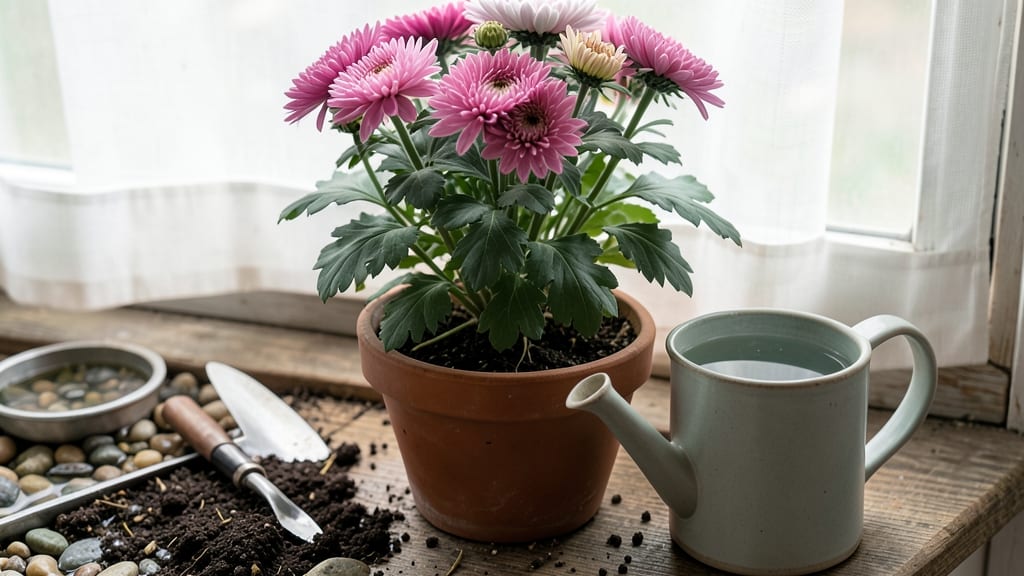
Mastering chrysanthemum indoor plant care transforms your home into a seasonal haven—just follow these light, pruning, and maintenance secrets to keep them thriving. 🌼 I’ve kept mine blooming for years by treating them like finicky divas: they demand bright light, crisp air, and regular haircuts to stay lush.
The secret isn’t complicated, just consistent.
These plants thrive with 6-8 hours of direct sunlight daily, though east or west windows work best. Too little light means leggy stems and sparse blooms—my first winter with them taught me that hard way.
Water when the top inch of soil feels dry, and always use well-draining soil to avoid soggy roots. Humidity helps too, especially in dry winter air.
Pruning is where the magic happens: pinch back tips in early summer to encourage bushier growth, and trim spent blooms to coax more flowers.
With the right care, you’ll get vibrant blooms from fall through winter, and the plant will reward you with glossy leaves and that signature chrysanthemum fragrance.
Watch for pests like spider mites (tiny but destructive) and leaf drop from overwatering. A simple spray with neem oil keeps bugs at bay, and adjusting your watering routine fixes most issues.
Indoor chrysanthemums are worth the effort—they’re the only plant that makes my living room feel like a cozy autumn garden.
📚 In This Guide
- What you need
- Instructions
- Tips and common mistakes
- Wrapping up and next steps
What you need
- ● Chrysanthemum plant: Choose a healthy Chrysanthemum morifolium variety (e.g., 'Bonanza,' 'Daisy Mums,' or 'Spray Mums') from a nursery or garden center.
- ● Well-draining potting mix: 1 gallon of lightweight, airy soil (e.g., a blend of peat moss, perlite, and vermiculite in a 2:1:1 ratio). Avoid heavy garden soil!
- ● Container: A pot with drainage holes (6–12 inches wide, depending on plant size). Terracotta or ceramic works best for airflow.
- ● Pruning shears: Sharp, sterilized shears (or small scissors) for trimming stems and deadheading.
- ● Watering can: With a narrow spout to avoid disturbing soil (1–2 gallons capacity).
- ● Balanced liquid fertilizer: 10–10–10 or 20–20–20 NPK ratio (diluted to half-strength).
- ○ Grow lights (optional but helpful): Full-spectrum LED bulb (10,000–15,000 lumens) for 12–16 hours/day if natural light is limited.
- ● Humidity tray or pebble tray: To maintain 40–60% humidity (especially in dry climates).
- ● Slow-release fertilizer granules: Mix 1–2 tbsp into soil at planting for steady nutrients.
- ● Plant supports: Small stakes or cages for tall varieties (e.g., 'Painted Lady').
- ● Soil moisture meter: To check moisture levels before watering.
- ● Misting bottle: For occasional foliar hydration (especially in winter).
- ● Plant food (fish emulsion or compost tea): Organic boost for blooming season.
Step-by-Step instructions for indoor chrysanthemum care
Here's how I keep my chrysanthemums blooming indoors for months—no gardening degree required.
☀️ Step 1: Position for Bright, Indirect Light
Place your chrysanthemum near an east-facing window where it gets 6-8 hours of bright, indirect light daily. South-facing windows work too, but filter the light with sheer curtains to prevent leaf scorch. You'll know it's in the right spot when the foliage stays deep green and the stems grow sturdy—not stretched or weak.
If natural light is limited, supplement with a grow light placed 12-18 inches above the plant for 12-14 hours daily. Chrysanthemums need consistent light to bloom, so avoid moving the plant frequently. Rotate it a quarter turn weekly to ensure even growth.
💧 Step 2: Water When the Top Inch of Soil Feels Dry
Water your chrysanthemum when the top inch of soil feels dry to the touch. Stick your finger in the soil—if it's damp, wait another day. Overwatering is the fastest way to kill these plants, so always use a pot with drainage holes. I like to water until water runs out the bottom, then dump any excess from the saucer to prevent root rot.
Use room-temperature water to avoid shocking the roots. In winter, when indoor air is dry, you might water slightly less frequently. Watch for wilting leaves or yellowing edges—these are signs of either underwatering or overwatering. Adjust your watering schedule based on what you observe.
✂️ Step 3: Prune to Encourage Bushier Growth and Blooms
Pinch back the tips of new growth when the plant has 4-5 sets of leaves to encourage bushier growth. Use clean, sharp scissors to snip just above a leaf node. This might seem harsh, but it triggers the plant to branch out instead of growing tall and leggy. I do this every 4-6 weeks during the growing season to keep the plant compact and full.
After flowering, cut back the spent blooms to the nearest set of leaves. This redirects the plant's energy into new growth rather than seed production. In late fall or early winter, give your chrysanthemum a harder prune, cutting back about one-third of the plant. This helps it stay manageable and prepares it for the next growing season.
🌿 Step 4: Fertilize Lightly During the Growing Season
Feed your chrysanthemum with a balanced, water-soluble fertilizer (like 10-10-10) every 4-6 weeks during the spring and summer. Dilute the fertilizer to half-strength to avoid burning the roots. You'll see the difference in vibrant foliage and abundant blooms. Stop fertilizing in late fall to encourage the plant to rest and prepare for dormancy.
I also like to use a slow-release fertilizer in the soil at planting time. This provides a steady supply of nutrients without the risk of over-fertilizing. Always water the plant thoroughly after fertilizing to help distribute the nutrients evenly through the soil. Avoid fertilizing if the plant looks stressed or is in a dormant phase.
⏰ Step 5: Adjust Care for Seasonal Changes
In spring and summer, your chrysanthemum will need more frequent watering and regular pruning. Keep it in a spot where temperatures stay between 60-75°F. If your home gets too hot, move it to a cooler room or use a small fan to improve air circulation. This helps prevent pests and diseases.
In fall and winter, reduce watering and fertilizing. Chrysanthemums often go semi-dormant in cooler months, so they don’t need as much care. Keep an eye out for pests like spider mites, which love dry indoor air. If you notice webbing or tiny dots on the leaves, treat the plant with insecticidal soap or neem oil.
Tips & tricks for perfect indoor chrysanthemum care
Keeping your chrysanthemum thriving indoors takes just a few smart adjustments—here's what I've learned after years of growing these beauties.
Light Positioning: The 6-8 hours of bright, indirect light in Step 1 is non-negotiable, but here's the trick: If your east-facing window doesn't get enough morning sun, supplement with a grow light for those 12-14 hours daily. I place mine on a timer so I never forget—chrysanthemums won't bloom without consistent light exposure. The key is avoiding direct midday sun, which can scorch leaves even with sheer curtains.
Pruning Precision: When you're pinching back growth at 4-5 sets of leaves in Step 3, always use clean scissors and make cuts just above a leaf node. This might seem technical, but it's what triggers that bushier growth. I've made the mistake of cutting too close to the stem—it takes longer to heal and can invite rot. For the harder fall prune, don't cut more than one-third at once, even if the plant looks leggy. You're essentially giving it a fresh start.
Seasonal Adjustments: The 60-75°F range in Step 5 is ideal, but if your home gets too warm, move the plant to a cooler spot immediately. I've seen chrysanthemums wilt dramatically when left near heating vents. In winter, reduce watering by about 30%—the plant's growth slows naturally. Watch for those spider mites too; they love dry indoor air and can appear overnight if you're not careful.
Pro Tips for Chrysanthemum Indoor Plant Care
- Keeping your chrysanthemum thriving indoors takes just a few smart adjustments—here's what I've learned after years of growing these beauties.
- I place mine on a timer so I never forget—chrysanthemums won't bloom without consistent light exposure.
- Pruning Precision: When you're pinching back growth at 4-5 sets of leaves in Step 3, always use clean scissors and make cuts just above a leaf node.
Frequently asked questions
about growing chrysanthemums indoors—because even the toughest gardeners need a little guidance!How much light do indoor chrysanthemums really need?
Chrysanthemums thrive with 6–8 hours of bright, indirect light daily. A south- or west-facing window is ideal, but supplement with a grow light if natural light is lacking. Avoid harsh direct sun, which can scorch delicate leaves. Pro tip: Rotate your plant weekly for even growth!
Why are my chrysanthemum leaves turning yellow?
Yellowing leaves usually signal overwatering or poor drainage. Let the top 1–2 inches of soil dry out between waterings, and ensure your pot has drainage holes. Check for root rot by gently tugging the plant—if it resists, your roots may be struggling. Fix it: Trim damaged leaves and repot if needed.
When should I prune my indoor chrysanthemum?
Prune in early spring to encourage bushier growth, and again in late summer to promote blooming. Cut back leggy stems by one-third and remove spent flowers. Bonus: Pinch back new growth in late spring for a fuller plant!
Can I grow chrysanthemums indoors year-round?
Yes! With consistent light, moderate temps (60–75°F), and proper care, they’ll thrive indoors. In winter, reduce watering slightly and watch for pests like spider mites. Winter hack: Group plants together to boost humidity naturally.
What’s the best indoor alternative if chrysanthemums are too high-maintenance?
Try gerbera daisies (bright blooms, similar care) or African violets (low-light tolerant). For foliage lovers, spider plants or peperomias are forgiving and stylish. Quick swap: All three prefer indirect light and regular watering!
Wrapping up and next steps
Caring for an indoor chrysanthemum is all about balance—light, pruning, and a little patience go a long way! 🌸 With the right soil, watering routine, and occasional deadheading, your plant will reward you with vibrant blooms and lush foliage year-round.
Don’t let challenges discourage you; even seasoned gardeners face hiccups—just adjust and keep nurturing.
Ready to see your chrysanthemum thrive? Start small: pick one tip from this guide—maybe improving light exposure or pruning with confidence—and watch your plant transform. Happy gardening! 🌱