
Companion Plants
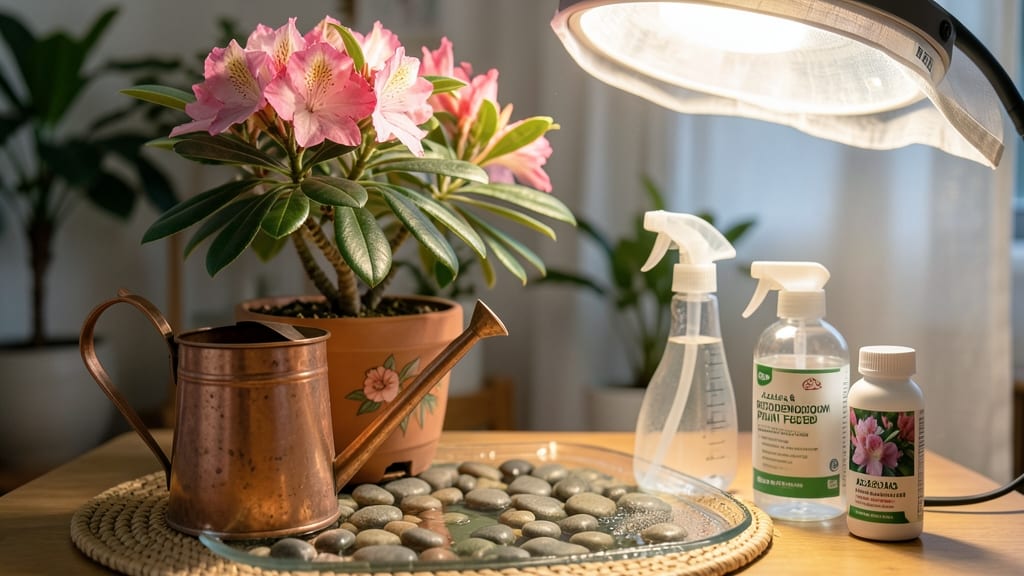
The care of azalea plants indoors requires bright, indirect light—something most homes struggle with. 🌿 I’ve kept mine blooming for years by mastering the balance between light, moisture, and humidity, even in my dimly lit living room.
The key isn’t just placing them near a window but understanding how their natural woodland habitat translates indoors.
Azaleas crave acidic, well-draining soil and consistent moisture—never soggy, never dry. A peaty mix with perlite works best, and watering from the bottom prevents root rot.
My plants get a good soak when the top inch feels dry, but I’ve learned the hard way that overwatering is their biggest enemy indoors.
With the right care, your azalea will reward you with vibrant blooms for months and glossy leaves that stay lush year-round. The secret? Mimicking their natural environment—cool temps, high humidity (try a pebble tray), and occasional misting. Skip the fertilizers until after blooming, or you’ll stunt next year’s flowers.
Even in low light, azaleas adapt—just watch for leggy growth, which means they’re stretching for more light. Rotate the pot occasionally so all sides get even exposure. Troubleshooting is simple: yellow leaves? Too much water. Dropping buds? Too dry or drafty. Small fixes make all the difference.
📚 In This Guide
- What you need
- Instructions
- Tips and common mistakes
- Wrapping up and next steps
What you need
- ● Azalea plant: Choose a healthy, well-rooted indoor-friendly variety (e.g., Rhododendron simsii). Opt for a 6–12-inch pot size for beginners.
- ● Well-draining potting mix: 1 gallon of acidic, peat-based soil mix (pH 4.5–6.0). Avoid garden soil—it’s too alkaline!
- ● Pot with drainage holes: A terracotta or ceramic container (8–12 inches in diameter) to prevent root rot.
- ● Watering can with a rose attachment: For gentle, targeted hydration (avoid overhead spraying).
- ● Humidity tray or pebble tray: A shallow tray + pebbles or a humidifier to mimic azalea’s love for moisture.
- ● Fertilizer: 1 bottle of acid-loving plant fertilizer (e.g., Miracle-Gro Azalea, Camellia & Rhododendron) or fish emulsion (diluted to half-strength).
- ● Pruning shears: Sterilized shears for trimming dead blooms or leggy growth.
- ○ Grow lights (optional but helpful): A full-spectrum LED bulb (6,500K color temp) for 12–14 hours/day if natural light is < 6 hours.
- ● Space: A spot near east or north-facing windows (or under grow lights). Avoid harsh afternoon sun.
- ● Patience: Azaleas thrive with consistent care—they’re not "set it and forget it" plants!
- ○ pH test kit (optional): To monitor soil acidity (aim for 5.0–6.0).
Step-by-Step guide to nurturing indoor azaleas
Indoor azaleas thrive with the right balance of moisture, light, and care—here’s how to keep them blooming beautifully.
💧 Step 1: Master the Watering Routine
Azaleas despise soggy soil but need consistent moisture. Water when the top 1 inch of soil feels dry to the touch, using room-temperature water to avoid shocking the roots. I like to water thoroughly until it drains from the bottom, then empty the saucer after 10 minutes—this prevents root rot while keeping the soil evenly damp.
Here’s the thing—azaleas absorb water through their leaves too. After watering, I give the foliage a light misting to mimic their natural humid habitat. This extra step makes a noticeable difference in leaf health, especially in dry indoor air.
☀️ Step 2: Position for Bright, Indirect Light
Place your azalea near an east-facing window for gentle morning sun or a west-facing window with filtered afternoon light. Direct sunlight scorches the delicate leaves, while too little light causes sparse blooms. If your home lacks natural light, supplement with a grow light positioned 12-18 inches away for 12-14 hours daily.
You’ll know the light is right when the leaves stay deep green and glossy—not pale or yellowing. If you notice new growth stretching toward the window, it’s time to move the plant closer to the light source or increase the grow light’s intensity.
🌿 Step 3: Feed for Vibrant Blooms
Azaleas love acidic, nutrient-rich soil, so I feed them every 4-6 weeks during spring and summer with a balanced, water-soluble fertilizer (like 10-10-10) diluted to half-strength. In fall and winter, I switch to a low-nitrogen, high-phosphorus fertilizer to support blooming. Always water the soil first—this prevents fertilizer burn on the roots.
Real talk: Over-fertilizing is a common mistake. If the tips of the leaves turn brown or the soil looks crusty, flush the pot with water to remove excess salts. A quick check is to run your finger over the soil surface—if it feels gritty, it’s time to rinse.
✂️ Step 4: Prune for Shape and Health
Prune right after flowering to encourage bushier growth. Use clean, sharp pruners to trim back any leggy stems by ⅓ of their length, cutting just above a leaf node. This step keeps the plant compact and promotes more blooms next season. Remove any dead or yellowing leaves immediately—they drain energy from the plant.
I also deadhead spent blooms by snipping the stem just below the flower head. This redirects the plant’s energy toward new growth instead of seed production. Just don’t prune too late in the season—stop by early fall to avoid stimulating tender new growth before winter.
🪴 Step 5: Maintain Ideal Humidity and Temperature
Azaleas adore humidity, so I place the pot on a pebble tray filled with water to keep the air around the plant moist. If your home is particularly dry, a small humidifier near the plant works wonders. Aim to keep humidity levels between 50-70%—you’ll see the difference in glossy, healthy leaves.
Keep the temperature steady between 60-70°F during the day and no lower than 55°F at night. Drafts from windows or vents can stress the plant, so avoid placing it near heating or cooling sources. A sudden temperature drop is often the culprit when azaleas drop buds or leaves unexpectedly.
Tips & tricks for perfect indoor azalea care
These subtle adjustments will transform your azalea from struggling to stunning—without the guesswork.
The Humidity Hack: Beyond the pebble tray, I place my azalea on a bathroom counter during winter when indoor air gets dry. The steam from showers creates a natural humidity boost that keeps leaves lush. For extra insurance, group your azalea with other houseplants—their collective transpiration creates a microclimate of moisture.
Light Adjustment Secrets: In Step 2, if your azalea isn't blooming well, try rotating the pot quarter-turn weekly—this ensures even light exposure all around. For grow lights, I use a full-spectrum LED bulb on a timer set to 12-14 hours daily, positioned 12 inches away for consistent results. Watch for leaves stretching toward the light (a sign it needs more intensity) or turning pale (too much direct light).
Fertilizer Timing: The 4-6 week feeding schedule in Step 3 works best when timed with watering—always fertilize after a thorough watering to prevent root burn. I switch to my low-nitrogen fertilizer in early fall (around September) to give the plant a bloom-boosting head start for next spring. The key is consistency: missing a feeding won't kill the plant, but irregular feeding causes weak growth and sparse blooms.
Pruning Precision: When trimming in Step 4, I look for leaf nodes (the small bumps where leaves grow) to make clean cuts. These nodes are where new growth will emerge. For stubborn stems, I make a small horizontal cut just above the node, then gently twist the stem to separate it cleanly. This technique prevents tearing and promotes faster healing.
Pro Tips for Care Of Azalea Plants Indoors
- These subtle adjustments will transform your azalea from struggling to stunning—without the guesswork.
- The Humidity Hack: Beyond the pebble tray, I place my azalea on a bathroom counter during winter when indoor air gets...
- Light Adjustment Secrets: In Step 2, if your azalea isn't blooming well, try rotating the pot quarter-turn weekly—thi...
Frequently asked questions
Got questions about keeping your azaleas happy indoors? You’re not alone! Here are some of the most common concerns—and their easy solutions.
Can azaleas survive in low-light conditions like a north-facing window?
Yes, but with caution! Azaleas tolerate some low light, but they’ll thrive best with bright, indirect light (like an east- or west-facing window). If your space is dim, supplement with a grow light 12–14 hours a day. Watch for leggy growth or sparse blooms—these are red flags for insufficient light.
How often should I water my indoor azalea?
Keep the soil consistently moist but never soggy. Water when the top inch feels dry (usually 2–3 times per week), but adjust based on humidity and temperature. Overwatering is the #1 killer—use a well-draining pot and ensure excess water drains away. Pro tip: Group azaleas with other plants to boost humidity!
Why are my azalea leaves turning yellow?
Yellow leaves usually mean overwatering, poor drainage, or nutrient deficiencies. Check the roots—if they’re mushy or the pot smells sour, you’ve got root rot. Adjust your watering routine and repot in fresh, acidic soil (pH 4.5–5.5). Brown edges? That’s often dry air—mist leaves or use a pebble tray.
Will my indoor azalea bloom again next year?
With the right care, yes! Azaleas need cool nights (50–60°F) and bright light to set buds for next season. If blooms are sparse, try moving it outdoors for a few weeks in spring/summer (gradually acclimate it!). Avoid fertilizing after mid-summer—let it rest to recharge.
Can I propagate my azalea from cuttings?
Take 4–6 inch semi-hardwood cuttings in late spring/early summer, dip in rooting hormone, and plant in perlite or sand. Keep humidity high (use a plastic bag!) and roots should form in 4–8 weeks. Patience is key—azaleas are slower to root than some houseplants.
Wrapping up and next steps
Growing azaleas indoors is a rewarding experience—these stunning bloomers thrive with the right care, even in low-light spaces! 🌿 By mastering their light, water, and humidity needs, you’ll enjoy vibrant flowers and lush foliage year-round. Start small: pick the perfect pot, monitor soil moisture, and keep pests at bay.
Now that you’re armed with expert tips, take the next step—grab your azalea and give it the love it deserves! Whether you’re a seasoned plant parent or a beginner, your indoor garden is about to get a gorgeous upgrade. Happy planting! ✨