
Size
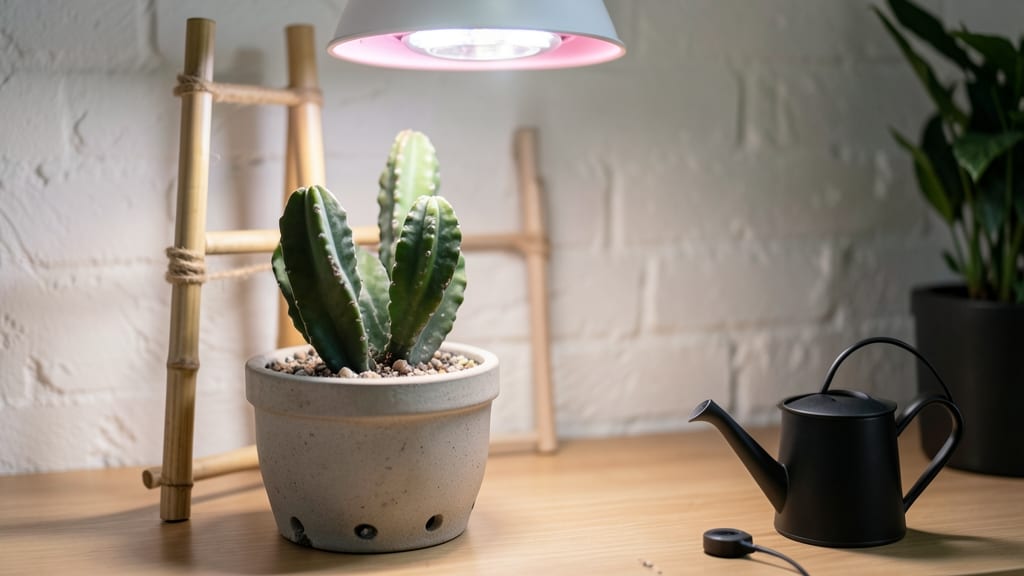
Growing dragon fruit indoors isn't just possible—it's a rewarding challenge that turns your sunlit window into a tropical oasis. 🌱 I've grown mine from seed to harvest in just six months, and the vibrant pink fruit hanging from my kitchen windowsill is worth every bit of patience.
The key is mimicking its natural jungle environment with the right light, humidity, and care routine.
You'll need a sturdy container at least 12 inches deep, well-draining cactus soil, and a support structure for the climbing stems. A south-facing window or a grow light for 12-14 hours daily keeps the plant happy—without it, growth slows dramatically.
Water only when the top inch of soil feels dry, and keep humidity high with a pebble tray or regular misting.
By month 4, you'll see those signature dragon fruit buds forming, and with careful hand-pollination (using a small paintbrush), you can expect your first harvest in 6-9 months. The fruit may be smaller than outdoor varieties, but the sweet, crunchy reward makes the indoor adventure totally worth it.
This method works perfectly for small spaces, balconies, or even sunny offices—just adjust light and humidity to your environment. The real magic happens when you see those neon-pink fruits growing where you least expected them. Let's get your dragon fruit journey started!
📚 In This Guide
- What you need
- Instructions
- Tips and common mistakes
- Wrapping up and next steps
What you need
- ● Dragon fruit cuttings: 1–2 healthy, vine-tip cuttings (4–6 inches long) with at least 2–3 nodes (brown bumps where leaves grow). Pro tip: Choose organic or pesticide-free cuttings for best results!
- ● Well-draining potting mix: 1–2 gallons of a cactus/succulent blend (e.g., 50% potting soil + 50% perlite/pumice). Avoid heavy garden soil!
- ● 5–7 gallon pot: With drainage holes! Terracotta or fabric pots work best to prevent root rot. Size matters: Larger pots = more stability for the heavy fruit later.
- ○ Rooting hormone (optional but helpful): A small tube or powder to boost root growth on your cuttings.
- ● Spray bottle: For gentle watering during the rooting phase.
- ● Support structure: A trellis, bamboo stake, or tomato cage to train the vine upward (6+ feet tall!).
- ● Fertilizer: Balanced liquid fertilizer (e.g., 10-10-10 or 20-20-20) for early growth.
- ● Low-nitrogen fertilizer (e.g., 5-10-10) once flowering begins to encourage fruit production.
- ● Grow lights: LED full-spectrum bulbs (12–16 hours/day) if natural light is less than 6 hours/day.
- ● Humidity tray: A shallow tray with pebbles and water to increase humidity (especially in dry climates).
- ● Pruning shears: For trimming dead leaves or overgrowth.
- ● pH test kit: To check soil pH (ideal range: 6.0–7.0).
- ● Mulch (e.g., gravel or bark): To retain moisture and regulate temperature.
- ● Bright, indirect light: A south- or west-facing window (or grow lights) for 6+ hours of sunlight daily.
- ● Warmth: Keep temps between 70–90°F (21–32°C). Avoid drafts or cold windows!
- ● Patience: Dragon fruit takes 6–12 months to fruit indoors—consistency is key!
Step-by-Step instructions for growing dragon fruit indoors
Here’s how to nurture a thriving dragon fruit plant in your home—no greenhouse needed.
🌱 Step 1: Select and Prepare Your Dragon Fruit Plant
Start with a healthy dragon fruit cutting (about 12-18 inches long) from a mature plant. Look for a stem with 3-4 nodes—these are the small bumps where roots and leaves grow. Remove the lower leaves, leaving only 2-3 at the top, to reduce moisture loss during rooting.
Place the cutting in lukewarm water (around 75°F) so the nodes are submerged but the leaves stay dry. Change the water every 2-3 days to prevent bacterial growth. Roots should appear in 2-4 weeks—you’ll see fine white strands emerging from the nodes. Once roots reach 2-3 inches, it’s ready for planting.
🪴 Step 2: Choose the Right Container and Soil
Use a well-draining pot at least 12 inches wide and deep, with drainage holes. Dragon fruit plants hate soggy roots, so cactus or succulent mix is ideal—amend with 20% perlite or pumice for extra aeration. Fill the pot halfway with the mix, then place your rooted cutting in the center and cover the roots with soil.
Press gently to secure the plant, leaving the top 2-3 leaves exposed above the soil. Water lightly until moisture seeps from the drainage holes, but avoid overwatering. Let the top 1-2 inches of soil dry out between waterings—this prevents root rot, the #1 killer of indoor dragon fruit plants.
☀️ Step 3: Position for Maximum Light
Dragon fruit plants need bright, indirect light for at least 6-8 hours daily. A south- or west-facing window is perfect, but if natural light is weak, supplement with a full-spectrum LED grow light (12-16 hours/day). Keep the plant 4-6 inches away from the light source to avoid leaf burn.
Rotate the pot quarter-turn weekly so growth stays even. You’ll notice leggy stems if light is insufficient—this means the plant is stretching toward the window. If this happens, move the plant closer to the light or increase grow light hours. Healthy leaves should be deep green and slightly waxy, not pale or yellow.
💧 Step 4: Water and Fertilize for Healthy Growth
Water when the top 2 inches of soil feel dry—stick your finger in to check. Overwatering is the fastest way to kill your plant, so less is more. When you do water, soak the soil until it drains freely from the bottom. Empty the saucer after 10 minutes to prevent root suffocation.
Feed your plant every 4-6 weeks with a balanced liquid fertilizer (10-10-10 or 20-20-20, diluted to half strength). Stop fertilizing in winter when growth slows. You’ll see new leaves and stems emerge within 2-3 weeks of proper care—this signals your plant is thriving.
✂️ Step 5: Prune and Support for Fruit Production
Once your plant reaches 3-4 feet tall, prune leggy or weak stems to encourage bushier growth. Cut just above a leaf node, and new branches will sprout from there. Dragon fruit plants are climbing cacti, so provide a trellis or sturdy stake to support vines. Secure the main stem loosely with soft ties to prevent damage.
If your plant flowers (small white blooms appear in 6-12 months), hand-pollinate them with a soft paintbrush to transfer pollen. Female flowers will develop into fruit if pollinated—though indoor fruit production is rare, it’s possible with patience. Even without fruit, a healthy dragon fruit plant makes a stunning, low-maintenance houseplant.
Tips & tricks for growing dragon fruit indoors
Here's what I learned after nurturing my own dragon fruit plant from a cutting—these little details make all the difference in your sunlit window harvest.
Rooting Success: When you're checking for roots in Step 1, don't just eyeball the water—gently swirl the cutting in the glass. Tiny white roots will detach and float, confirming healthy growth. I've found that using a clear glass container lets you monitor progress without disturbing the cutting. Once roots reach 2-3 inches, they'll be sturdy enough to handle transplanting without breaking.
Soil Science: In Step 2, the 20% perlite amendment is non-negotiable for preventing root rot. I recommend mixing in a handful of orchid bark for extra aeration—this mimics the plant's natural epiphytic growing habits. When repotting later, always use a pot just 1-2 inches larger than the current one to prevent soil from staying too wet.
Lighting Strategy: The 6-8 hours of bright light in Step 3 is your plant's non-negotiable requirement. If your windowsill doesn't provide enough, invest in a basic LED grow light—even a $20 clip-on bulb will work. Position it so the light source covers the entire plant canopy, not just the top. I've seen plants develop yellow leaves when only the top receives light, while the lower stems stretch desperately toward any available source.
Watering Wisdom: The 2-inch dry soil test in Step 4 is critical, but timing matters too. Water in the morning so excess moisture has time to evaporate during the day. I've learned to use a moisture meter for the first few weeks until I get a feel for the soil's moisture level—overwatering is the silent killer of these tropical plants. Always empty the saucer after 10 minutes to prevent root suffocation.
Pro Tips for Can You Grow Dragon Fruit Indoors
- Here's what I learned after nurturing my own dragon fruit plant from a cutting—these little details make all the diff...
- Rooting Success: When you're checking for roots in Step 1, don't just eyeball the water—gently swirl the cutting in t...
- Soil Science: In Step 2, the 20% perlite amendment is non-negotiable for preventing root rot. I recommend mixing in a...
Frequently asked questions
How much light does an indoor dragon fruit plant really need?
Dragon fruit thrives with bright, indirect sunlight for 6–8 hours daily. A south- or west-facing window is ideal, but supplement with a grow light (LED or fluorescent) if natural light is weak. Avoid harsh direct sun—it can scorch leaves. Rotate the pot weekly for even growth!
When will my indoor dragon fruit produce fruit?
Patience is key! With proper care, expect flowering in 1–2 years and fruit in 2–3 years. Dwarf varieties (like 'Baby Dragon Fruit') may fruit sooner (12–18 months). Ensure your plant gets enough light, warmth (70–90°F), and consistent watering to speed up the process.
How often should I water my indoor dragon fruit plant?
Water when the top 2–3 inches of soil are dry (about once a week, adjusting for humidity/climate). Overwatering is deadly—drain excess water, and use a pot with drainage holes. Reduce watering in winter when growth slows. Yellow leaves? Likely overwatering; brown edges? Too dry!
Can I grow dragon fruit indoors without a greenhouse?
Skip the greenhouse—just use a large pot (10+ gallons), a sunny window, and a grow light if needed. Dwarf varieties (like 'Petite' or 'Wee Bee') are perfect for small spaces. Just mimic tropical conditions: warmth, humidity (mist leaves occasionally), and minimal drafts.
Why are my dragon fruit leaves turning yellow or dropping?
Yellow leaves usually mean overwatering or root rot. Brown edges? Underwatering or low humidity. Check for pests (like spider mites) too! Adjust care: let soil dry more between waterings, improve drainage, and prune damaged leaves. If the plant is mushy, repot in fresh soil ASAP.
Wrapping up and next steps
Growing dragon fruit indoors isn’t just possible—it’s a rewarding adventure that brings exotic flavors and lush greenery right to your windowsill! 🌱 With the right setup, patience, and a little love, you can enjoy vibrant blooms and sweet, crunchy fruit in as little as 6 months.
Whether you’re a beginner or a seasoned plant parent, this tropical treat is well within reach.
Ready to take the next step? Start by gathering your supplies, pick the perfect spot, and give your dragon fruit plant the care it deserves. Before you know it, you’ll be harvesting your own homegrown dragon fruit—one slice at a time! 🍈✨