
Planting
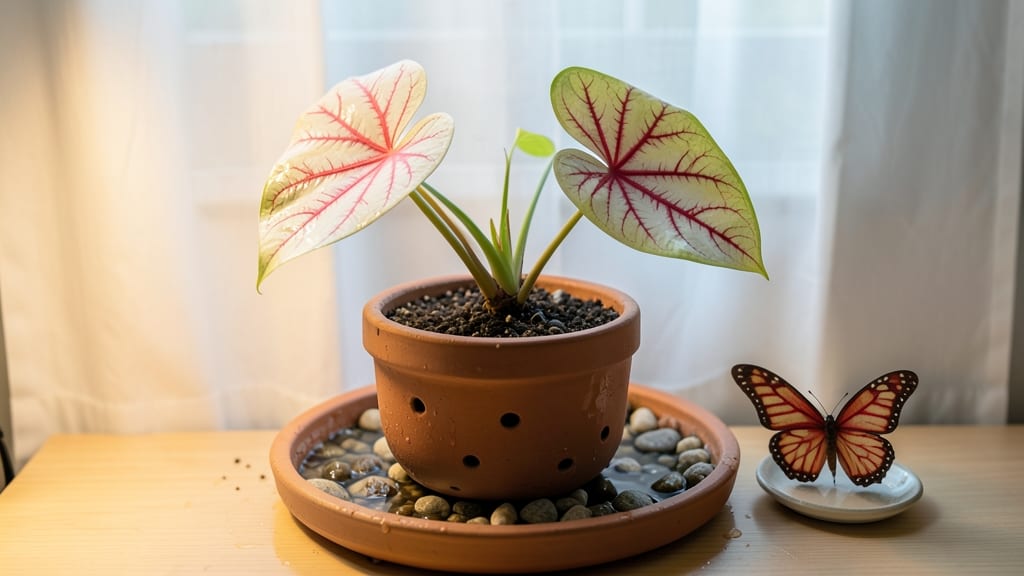
Growing a butterfly plant indoors brings vibrant color and fragrant blooms to any home—no green thumb required. 🌿 I've kept mine thriving for years with just a sunny windowsill and consistent care, proving this striking plant is perfect for beginners.
The key lies in mimicking its tropical origins with the right light, water, and humidity balance.
This plant thrives in bright, indirect light—think east or west-facing windows—where it gets morning sun without harsh afternoon rays. A simple potting mix with good drainage keeps roots happy, and watering when the top inch feels dry prevents root rot.
Most people overwater, but butterfly plants are surprisingly forgiving once you find their rhythm.
With proper care, you'll see those showy, butterfly-shaped flowers appear year-round, especially in spring and summer. The foliage stays lush and deep green, adding texture to any indoor space. Even in dry winter air, a quick misting or pebble tray keeps it content.
Common mistakes like letting it dry out completely or placing it in drafts can cause browning leaves, but troubleshooting is simple. Adjust light, water, or humidity gradually, and your butterfly plant will bounce back stronger. Once established, it becomes a low-maintenance centerpiece that brightens any room.
📚 In This Guide
- What you need
- Instructions
- Tips and common mistakes
- Wrapping up and next steps
What you need
- ● Butterfly plant (Psychotria elata) – 1 healthy nursery-grown plant (check for vibrant green leaves and no brown spots!)
- ● Well-draining potting mix – 1 bag (6-8 quarts) of a light, airy blend (e.g., 50% peat moss, 30% perlite, 20% orchid bark)
- ● Pot with drainage holes – 1 container (8–12 inches in diameter) with drainage holes (terracotta or ceramic works best)
- ● Watering can or spray bottle – 1 with a fine rose attachment (to avoid overwatering)
- ○ Humidity tray or pebble tray – 1 (optional but helpful for maintaining moisture levels)
- ● Balanced liquid fertilizer – 1 bottle (20-20-20 or similar, diluted to half-strength)
- ● Grow lights – 1–2 LED grow bulbs (if natural light is <10 hours/day)
- ● Moss or sphagnum – Small handful (to top-dress soil and retain moisture)
- ● Plant food sticks – 1–2 slow-release sticks (for extra nutrients)
- ● Decorative cache pot – 1 (to hide the functional pot for a polished look)
Step-by-step instructions for growing butterfly plants indoors
Here's the straightforward method I use to keep butterfly plants thriving with minimal fuss.
🪴 Step 1: Select the Right Container and Soil Mix
Choose a 6-8 inch diameter pot with drainage holes—your butterfly plant (Psychotria elastica) hates soggy roots. I prefer terracotta because it wicks away excess moisture naturally. Use a well-draining potting mix blended with 20% perlite or orchid bark to prevent compaction. This ensures roots get oxygen while holding enough moisture for the plant's tropical preferences.
Fill the pot until it's 1 inch below the rim, then tap gently to settle the mix without compacting it. The goal is a loose, airy medium that mimics the plant's natural forest-floor habitat. Pre-moisten the soil with room-temperature water until it's evenly damp but not dripping.
☀️ Step 2: Position for Bright, Indirect Light
Butterfly plants thrive in bright, indirect light—think east or west-facing windows. Direct midday sun will scorch the glossy leaves, while dim corners cause leggy growth. You'll know the light is perfect when the leaves stay deep green with no yellowing and new growth appears compact and upright. If your space lacks natural light, supplement with a grow light positioned 12-18 inches away for 12-14 hours daily.
Rotate the pot quarter-turn weekly so the plant grows evenly. Watch for leaves stretching toward the light—that's your cue to move it closer or increase light intensity. In winter, when light weakens, I move mine to a south-facing window for a boost.
💧 Step 3: Water When the Top 1-2 Inches Feel Dry
Water when the top 1-2 inches of soil feel dry to the touch—this prevents root rot while keeping the plant hydrated. I use room-temperature water to avoid shocking the roots, and I water until it drains freely from the bottom. Empty the saucer 30 minutes later to prevent salt buildup from tap water. Overwatering is the #1 killer of butterfly plants, so I always check moisture levels before watering again.
Mist the leaves every 2-3 days in dry climates to recreate the humidity of its native rainforest. You'll see the leaves perk up and maintain their glossy sheen—this is your sign the humidity is just right. If the tips brown, that's a classic sign of low humidity or fluoride in your water (use filtered or distilled water if this happens).
✂️ Step 4: Prune and Fertilize for Bushier Growth
Pinch back the tips of new growth when stems reach 4-6 inches to encourage bushier, fuller plants. This simple step prevents leggy growth and keeps the shape compact. Use clean, sharp scissors and make cuts just above a leaf node. You'll notice new side shoots forming within 2-3 weeks—that's your reward for pruning.
Feed with a balanced liquid fertilizer (10-10-10) every 4-6 weeks during spring and summer. Reduce to every 8-10 weeks in fall and winter. I always dilute fertilizer to half-strength to avoid burning the sensitive roots. If the leaves yellow between veins, that's a sign of over-fertilizing—flush the soil with water immediately.
🌿 Step 5: Watch for Pests and Adjust Care Seasonally
Check the undersides of leaves weekly for spider mites or mealybugs—they love butterfly plants. Wipe leaves with a soapy water cloth (1 tsp mild soap per gallon of water) if you spot pests. Isolate the plant immediately if you see webbing or sticky residue. Most infestations respond within 3-5 days of treatment if caught early.
In winter, reduce watering to every 7-10 days and avoid fertilizing. The plant enters a natural dormant phase. You'll see growth slow down, but don't panic—this is normal. Increase humidity with a pebble tray or humidifier if your home air feels dry, especially near heaters. With these adjustments, your butterfly plant will reward you with year-round blooms and lush foliage.
Tips & tricks for perfect butterfly plant indoor care
Keeping your butterfly plant thriving indoors doesn't have to be complicated—just a few strategic tweaks make all the difference. Here's what I've learned after years of growing these fragrant beauties.
Container Selection: While a 6-8 inch pot works perfectly, consider upgrading to a slightly larger container (up to 10 inches) if you notice roots circling the bottom after 12-18 months. This prevents root-bound stress while maintaining the plant's natural growth rhythm. Terracotta remains my top choice because it naturally wicks away excess moisture, but plastic pots work well if you're diligent about watering. The key is ensuring those drainage holes are never blocked—roots can grow through them over time, so check periodically.
Light Optimization: The 12-14 hours of grow light mentioned is ideal, but here's the trick: position your light source slightly higher than 18 inches (try 20-24 inches) if you notice leaf tips browning. This prevents heat stress from being too close. For natural light, east-facing windows provide the perfect balance—morning sun is gentle while still bright enough. If you must use a west-facing window, move the plant back 2 feet during peak afternoon sun (2-5 PM) to prevent scorching. The leaves' deep green color is your best indicator of perfect light conditions.
Humidity Hacks: That every 2-3 day misting is essential, but here's how to make it easier: place your pot on a tray filled with pebbles and water (just below the pot's base) to create constant humidity. This passive method mimics the plant's tropical habitat without daily maintenance. For extra insurance, group your butterfly plant with other houseplants—collective transpiration creates a microclimate of higher humidity. You'll immediately notice the leaves maintaining their signature glossy sheen when humidity is optimal.
Pruning Technique: When pinching those 4-6 inch stems, here's the secret: make your cuts at a 45-degree angle just above a leaf node (the tiny bump where leaves grow). This angled cut prevents water from pooling on the stem, reducing rot risk. After pruning, place cuttings in water to propagate new plants—you'll often get 2-3 successful new growths from a single cutting within 3-4 weeks. The new side shoots typically appear within 2-3 weeks as mentioned, but watch for them on the underside of the cut stem where you made your angled cut.
Pro Tips for Butterfly Plant Indoor
- Keeping your butterfly plant thriving indoors doesn't have to be complicated—just a few strategic tweaks make all the...
- Container Selection: While a 6-8 inch pot works perfectly, consider upgrading to a slightly larger container (up to 1...
- Light Optimization: The 12-14 hours of grow light mentioned is ideal, but here's the trick: position your light sourc...
Frequently asked questions
Got questions about keeping your butterfly plant (Psychotria punctata) thriving indoors? You're not alone! Here are some of the most common queries—plus quick, practical answers to help you grow fragrant blooms with ease.
How often should I water my butterfly plant indoors?
Water your butterfly plant when the top 1–2 inches of soil feel dry to the touch. Aim for moderate moisture—overwatering can lead to root rot, while underwatering causes droopy leaves. In winter, reduce watering to every 2–3 weeks, as growth slows. Pro tip: Use a moisture meter for accuracy!
Why isn’t my butterfly plant blooming indoors?
Blooms thrive with the right conditions: bright, indirect light (like an east or west-facing window) and consistent warmth (65–75°F). Lack of blooms often means insufficient light or low humidity. Try moving it closer to a window or misting leaves daily. Bonus: Fertilize lightly with a balanced liquid fertilizer every 4–6 weeks during spring/summer.
What pests commonly attack butterfly plants, and how do I treat them?
Watch for spider mites, mealybugs, or scale insects—they love dry air. If you spot pests, wipe leaves with a damp cloth and spray with neem oil or insecticidal soap. Increase humidity (try a pebble tray) to deter future infestations. Prevention tip: Quarantine new plants for a week before introducing them to your collection!
Can I grow a butterfly plant in low-light conditions?
While butterfly plants tolerate medium light, they’ll struggle in low-light spots (like a north-facing window or dim room). Expect slower growth and fewer blooms. If you must place it in low light, supplement with a grow light (12–14 hours/day) and keep humidity high. Alternative idea: Rotate the pot weekly for even light exposure.
What’s a good alternative if my butterfly plant isn’t thriving?
If care feels too tricky, try these low-maintenance, fragrant indoor plants:
- Jasmine (Jasminum) – Thrives in shade, highly fragrant.
- Sweet Alyssum (Lobularia maritima) – Hardy, blooms year-round.
- Peperomia (Peperomia spp.) – Tolerates low light, drought-resistant.
All three are beginner-friendly and reward you with lovely scents!
Wrapping up and next steps
Growing a butterfly plant (Psychotria elata) indoors is a rewarding journey that brings fragrant blooms and lush greenery to your space with minimal effort! 🌿 With the right light, humidity, and care, you’ll enjoy its sweet-scented flowers year-round—perfect for beginners and plant lovers alike.
Whether you’re troubleshooting common issues or fine-tuning your routine, remember: patience and consistency are key.
Ready to take the next step? Start by monitoring your plant’s progress and adjust care as needed. Share your butterfly plant’s blooms with friends or even expand your indoor garden—every little effort brings big rewards! 🌸