
Container Gardens
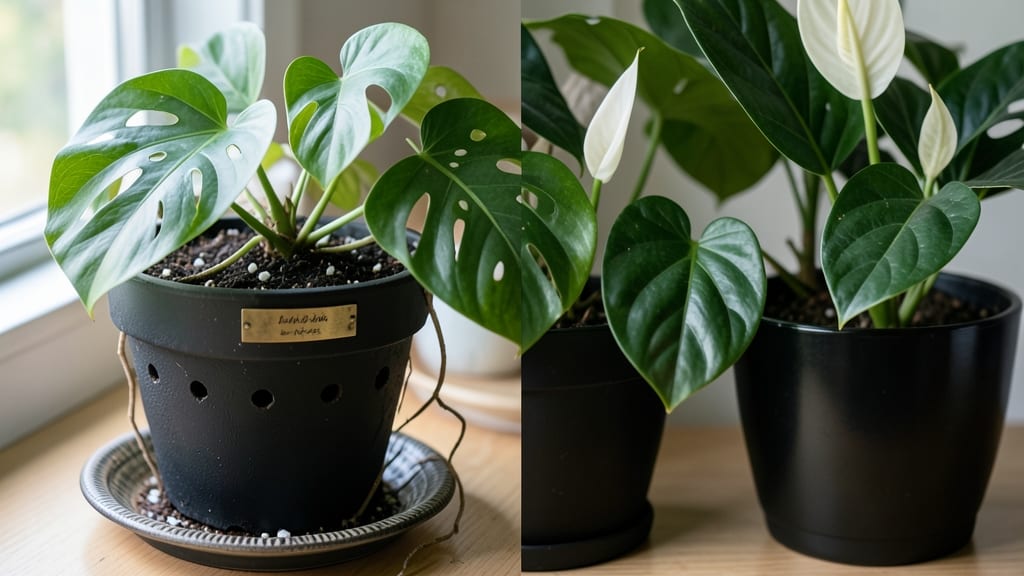
Sixteen-inch pots might look big, but they're the sweet spot for indoor plants that want to grow tall and strong. ✨ I've seen fiddle-leaf figs and olive trees thrive in these containers, their roots spreading just enough to support lush foliage without becoming unruly.
The extra space prevents roots from circling, which keeps plants healthy for years instead of just a season.
This size works perfectly for small trees, large herbs like rosemary, and even oversized succulents that need room to grow. Compared to 12-inch pots—which can feel cramped—16-inch containers give roots the space they need to establish while keeping the plant manageable for indoor spaces.
Terracotta offers breathability, while plastic retains moisture better for drought-prone varieties.
You'll notice plants with fuller canopies and fewer signs of stress, like yellowing leaves or stunted growth. The deeper soil also holds more nutrients, so you'll water and fertilize less often. Plus, they fit beautifully in corners, under windows, or as statement pieces in living rooms.
For best results, pair with well-draining soil and a saucer to catch excess water. If your space is limited, consider self-watering pots—they make maintenance even easier. The right 16-inch pot can transform a houseplant into a showstopper without taking over your home.
📚 In This Guide
- What you need
- Instructions
- Tips and common mistakes
- Wrapping up and next steps
What you need
- ● 16-inch pots – Choose from terracotta, ceramic, or plastic (2–4 pots, depending on your plant collection). Ensure they have drainage holes (or plan to drill them!).
- ● High-quality potting mix – Use a well-draining, airy blend (e.g., 60% peat/coco coir, 30% perlite/pumice, 10% compost). Aim for 3–5 gallons per pot.
- ● Drainage layer – Pebbles, lava rock, or broken pottery (1–2 inches thick) to prevent root rot.
- ● Plant(s) – Ensure roots are not root-bound (gentle pruning may be needed).
- ● Watering can or hose – With a gentle spray nozzle for even moisture.
- ● Pruning shears – For trimming overgrown roots or dead foliage.
- ● Gloves – To protect hands from sharp edges or soil pathogens.
- ● Slow-release fertilizer – Pellets or spikes to nourish roots over 3–6 months.
- ● Pot feet or saucers – To protect surfaces and improve aesthetics.
- ● Moisture meter – For precision watering (especially for moisture-sensitive plants).
- ● Decorative mulch – Like orchid bark or pine needles to retain moisture and add flair.
- ● Support stakes or trellises – For tall or climbing plants (e.g., monstera, pothos).
How to Choose and use 16-Inch pots for thriving indoor plants
Here's how to maximize growth with these spacious containers—your plants will reward you with lush, vigorous foliage.
🪴 Step 1: Select the Right 16-Inch Pot Material
Terracotta pots breathe best, letting excess moisture evaporate through porous walls—ideal for moisture-sensitive plants like succulents or ferns. I always check for 4+ drainage holes in the bottom; without them, roots suffocate in soggy soil. For heavy plants like monsteras, opt for plastic pots—they hold moisture longer and won't crack under weight.
If using decorative cachepots, ensure the inner container has drainage. I like to nest a plastic grow pot inside a ceramic outer pot, creating a self-watering effect while keeping roots aerated. Avoid glazed pots—they trap moisture and risk root rot in humid indoor spaces.
🌱 Step 2: Prepare the Soil and Drainage Layer
Fill the pot's base with 2-3 inches of coarse gravel or perlite to create a drainage reservoir. This prevents water from pooling at the bottom, where roots can't access oxygen. Press it lightly to settle, but don't compact it—you want gaps for excess water to drain freely.
Next, add a 2-inch layer of high-quality potting mix mixed with perlite or orchid bark. This blend improves aeration and mimics natural soil conditions. For moisture-loving plants like calatheas, I use a mix with added worm castings for nutrient density. Tap the pot gently to eliminate air pockets before adding your plant.
☀️ Step 3: Transplant with Root Space in Mind
Remove your plant from its current container and gently loosen the root ball with your fingers—never pull or force roots. The goal is to spread them evenly in the new pot, filling about 60% of the 16-inch diameter. This leaves room for roots to expand without circling, which stunts growth.
Place the plant in the center of the pot and backfill with potting mix, pressing lightly to eliminate air gaps. Water thoroughly until it drains from the bottom holes, then let excess water escape. Avoid overpacking soil—roots need space to breathe and grow outward.
💧 Step 4: Establish a Watering Routine Based on Plant Needs
Check soil moisture by sticking your finger 2 inches deep—if it feels dry, it's time to water. For tropical plants like philodendrons, I water when the top 3 inches of soil dry out, while succulents in 16-inch pots may only need water every 2-3 weeks. Always water until liquid runs freely from the drainage holes.
I use a self-watering technique for larger pots: pour water until it reaches the saucer below, then let the plant absorb moisture through the drainage layer. This mimics natural rainfall and prevents overwatering. Empty the saucer after 30 minutes to avoid root suffocation.
✂️ Step 5: Prune and Support for Long-Term Growth
Once your plant fills the pot, trim leggy stems to encourage bushier growth. I pinch back the tips of vines like pothos to redirect energy into leaf production. For top-heavy plants, insert a 3-foot bamboo stake at planting and gently tie stems to it as they grow.
Rotate the pot quarter-turn weekly to prevent leaning toward light sources. You'll see straighter, more balanced growth within a few weeks. In 12-18 months, most plants will outgrow 16-inch pots—watch for roots circling the drainage holes as your signal to upgrade container size.
Tips & tricks for maximizing growth in 16-Inch plant pots
These practical insights will help you transform your 16-inch pots into thriving ecosystems for your indoor jungle.
Drainage Layer Depth: That 2-3 inch gravel layer in Step 2 isn't just about drainage—it's your plant's first line of defense against rot. I've found that adding an extra half-inch of perlite to the top of the gravel creates even better airflow to the roots. For moisture-sensitive plants like snake plants, this extra layer can extend time between waterings by up to 50%. The key is maintaining those gaps for oxygen circulation.
Root Space Visualization: When transplanting in Step 3, imagine your plant's roots should occupy about 60% of the 16-inch diameter—that's roughly 10 inches of root spread. To visualize this, I draw an imaginary circle in my head that's about two-thirds the pot's diameter before placing the plant. This mental trick prevents overcrowding while still leaving expansion room. Remember, roots need space to grow outward, not just downward.
Watering Technique: The 30-minute saucer emptying time in Step 4 is crucial for preventing root suffocation. I've developed a simple test: after watering, if water remains in the saucer after 30 minutes, your pot's drainage isn't adequate. For plants that need frequent watering like ferns, I use a terra cotta saucer with drainage holes to prevent waterlogging. This simple modification can double your plant's health while preventing the dreaded root rot.
Light Rotation Strategy: That quarter-turn weekly rotation in Step 5 works wonders for preventing lopsided growth. I've noticed that plants in 16-inch pots actually benefit from a more aggressive rotation schedule—every 5 days instead of weekly—especially if they're near a single light source. The larger surface area of 16-inch pots means more exposure to light gradients, so frequent rotation ensures even growth all around the plant.
Pro Tips for 16 Inch Pots For Indoor Plants
- These practical insights will help you transform your 16-inch pots into thriving ecosystems for your indoor jungle.
- Drainage Layer Depth: That 2-3 inch gravel layer in Step 2 isn't just about drainage—it's your plant's first line of ...
- Root Space Visualization: When transplanting in Step 3, imagine your plant's roots should occupy about 60% of the 16-...
Frequently asked questions
Got questions about maximizing your 16-inch pots for indoor plants? You’re not alone! Here are answers to the most common concerns—from sizing to soil secrets—so you can help your greens thrive without the guesswork.
Are 16-inch pots too big for small indoor plants?
Not necessarily! While a 16-inch pot offers plenty of root space for plants like fiddle-leaf figs or monstera, smaller plants (like succulents or herbs) may feel overwhelmed. Start with a 12-inch pot and upgrade only when roots fill the current container—usually every 1–2 years. Overpotting can lead to soggy soil and root rot, so size up gradually.
How often should I water plants in 16-inch pots?
Watering frequency depends on your plant type, but 16-inch pots retain moisture longer than smaller containers. Stick your finger 2–3 inches deep—if it’s dry, water thoroughly until it drains from the bottom. Most tropical plants (e.g., pothos, calatheas) need watering every 7–10 days, while succulents may only need it every 3–4 weeks. Drainage is key!
What’s the best soil mix for large pots?
A well-draining mix is critical to prevent root rot. For most indoor plants, blend:
- 60% potting soil (pearlite or coconut coir-based)
- 20% perlite or pumice (for aeration)
- 20% worm castings or compost (for nutrients)
Can I reuse a 16-inch pot after removing a plant?
Clean the pot thoroughly with soapy water and a 10% bleach solution (or vinegar) to kill fungi/bacteria. Rinse well and let it dry completely before repotting. If the pot has cracks or drainage holes are clogged, replace it—old pots can harbor pests or diseases. Pro tip: Sterilize tools too!
Why are my plant’s leaves turning yellow in a 16-inch pot?
Yellowing leaves often signal overwatering or poor drainage. Check:
- Is the soil soggy days after watering? → Reduce frequency and ensure the pot has drainage holes.
- Are roots mushy or black? → Root rot! Trim affected roots, repot with fresh soil, and hold off on watering for a week.
- Is the pot in a cold draft? → Move it to a warmer spot (65–75°F is ideal for most plants).
Wrapping up and next steps
Choosing the right 16-inch pots for indoor plants is more than just a size upgrade—it’s a game-changer for your green companions! With the perfect balance of root space and drainage, these containers unlock towering growth, healthier foliage, and even faster blooming.
Whether you’re nurturing a leafy giant or a delicate tropical, the right pot sets the stage for success.
Ready to watch your plants thrive? Start by selecting the ideal pot material (clay, ceramic, or fabric) based on your plant’s needs, then give those roots the room to stretch out. Your future jungle awaits—happy planting! 🌱✨