
Companion Plants
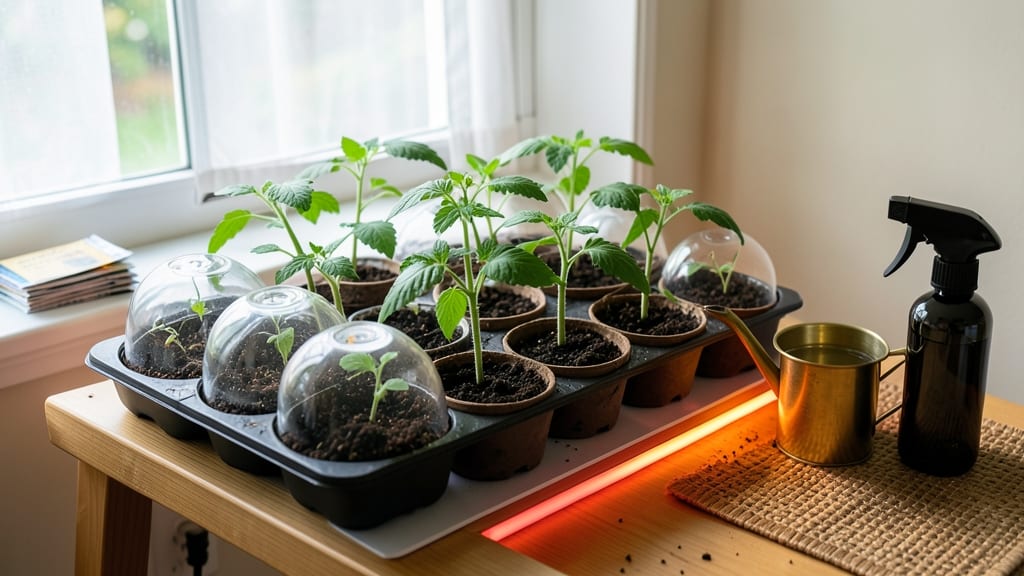
Starting plants indoors at the right time ensures they’re strong and ready for transplant 🌱 — but timing can make or break your garden, depending on your zone and plant type.
Picture this: you’ve got leggy, weak seedlings that bolt before they even hit the soil, or worse, you’re still waiting for them to sprout while the season slips away.
The key is knowing when to begin, and it all comes down to your last frost date and the plant’s growth timeline.
For most gardeners in Zone 6a, the sweet spot is late February to early March — about 4-8 weeks before your average last frost. But tomatoes and peppers need that extra head start, while herbs like basil can wait until just a few weeks before transplanting.
In this guide, I’ll break down the perfect indoor start schedule for your zone, show you how to adjust for early or late starts, and share the biggest mistakes to avoid — so you end up with perfect, healthy seedlings ready to thrive outdoors.
How to determine your indoor plant starting dates by USDA climate Zone
Mastering indoor plant starting dates depends on two critical factors: your USDA climate zone and the maturity timeline of your chosen plants. Unlike outdoor planting, indoor starts require precise calculations to avoid leggy seedlings or missed growing seasons.
Let’s break down the process so you can tailor your schedule to your specific zone and plant needs.
First, locate your USDA climate zone (3-11) using the USDA Plant Hardiness Zone Map. This zone determines your average last frost date, which is the foundation for your indoor start timeline.
For example, Zone 5 typically has a last frost around May 15, while Zone 9’s last frost might be January 15. These dates vary by 10-14 days depending on your exact location.
Next, research the days to maturity for each plant. Most seed packets list this information—look for phrases like "60 days to harvest" or "85 days to maturity." This tells you how long the plant needs from seed to a harvestable state.
For cool-season crops like lettuce (30-50 days), you’ll start earlier, while warm-season crops like tomatoes (70-85 days) need a longer head start.
Here’s the key formula: Start date = Last frost date - Days to maturity + Weeks indoors. For a tomato in Zone 6 (last frost: April 15), with 85 days to maturity and 6-8 weeks indoors, you’d start seeds between February 10-25.
Adjust the weeks indoors based on your plant’s growth rate—fast growers like basil need only 4-6 weeks, while slow growers like peppers may need 10-12 weeks.
For cool-season crops like kale or spinach, you can start seeds 4-6 weeks before your last frost because they thrive in cooler temperatures. These plants often tolerate light frosts, so you can even direct-sow them outdoors 2-3 weeks before the last frost.
In contrast, warm-season crops like eggplants or okra need a longer indoor head start (10-12 weeks) and should never face frost.
Adjust your start dates based on
Best plants to start indoors early vs. late: a seasonal guide
Not all plants require the same indoor head start. Cool-season crops like broccoli and cabbage can handle early starts, while warm-season favorites like tomatoes and peppers need 8-12 weeks indoors to mature before summer heat arrives. Understanding these differences saves you from leggy seedlings or missed harvests.
For early starts (8-12 weeks before last frost), prioritize long-maturing plants that need a full growing season. These include tomatoes, peppers, eggplants, and leeks.
Starting them too late means they’ll struggle to produce fruit before frost. Meanwhile, fast growers like basil or bush beans only need 4-6 weeks indoors.
Here’s how to decide: Check your last frost date and subtract the plant’s days to maturity. For example, if your last frost is April 15 and you’re growing tomatoes that take 90 days to fruit, start them indoors by February 1.
For basil (50 days to harvest), a 4-week indoor start in March works perfectly.
| Plant Type | Indoor Start Window | Examples | Notes |
|---|---|---|---|
| Vegetables (Long Season) | 8-12 weeks before last frost | Tomatoes, Peppers, Eggplants, Leeks | Need warm soil and full sun |
| Herbs (Moderate Season) | 6-8 weeks before last frost | Basil, Parsley, Cilantro, Dill | Basil bolts in heat; start late |
| Flowers (Annuals) | 6-10 weeks before last frost | Marigolds, Petunias, Snapdragons | Pinch back for bushier growth |
| Vegetables (Short Season) | 4-6 weeks before last frost | Lettuce, Spinach, Radishes, Bush Beans | Direct sow if possible |
For warm-season plants, use grow lights to extend daylight to 14-16 hours daily. Without enough light, seedlings stretch toward windows, becoming weak. Place lights 2-4 inches above seedlings and adjust as they grow. Cool-season crops tolerate lower light but still need 12-14 hours to thrive.
Pro tip: Hardening off is critical for all indoor starts. Begin 7-10 days before transplant by moving seedlings outdoors for gradual exposure—start with 1 hour on a shaded porch, then increase daily.
This toughens stems and leaves, reducing transplant shock. Skip this step, and your plants may wilt or struggle to recover.
Adjust your schedule based on your USDA zone. Gardeners in Zone 5 or colder should start early (by February), while those in Zone 8+ can wait until March or April. Always check seed packets for specific days-to-maturity guidelines—they’re your best friend for timing!