
Size
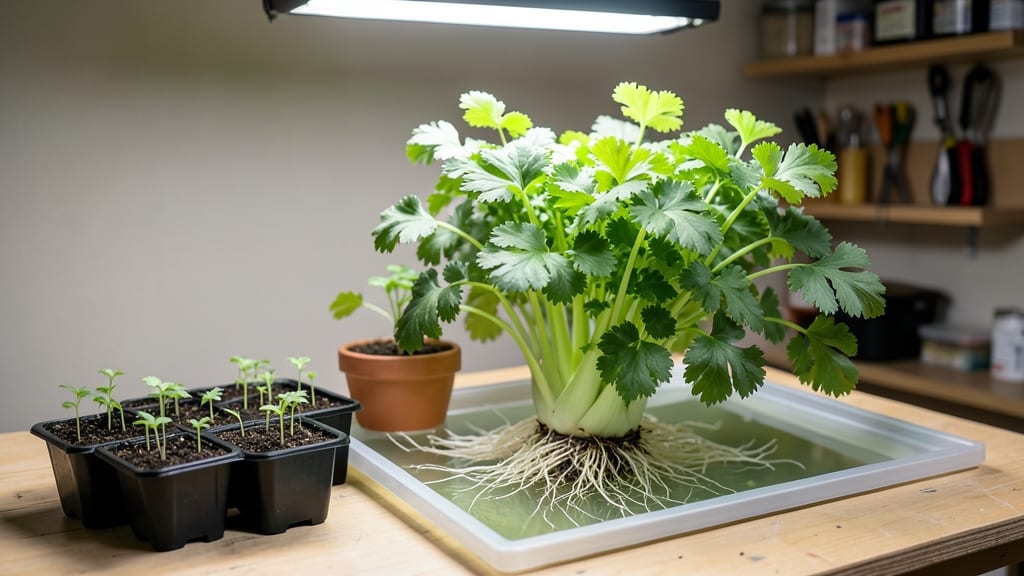
Growing celery indoors means crisp, fresh stalks on your countertop year-round—no grocery store trip required. 🌱 I learned the hard way that store-bought celery pales next to homegrown, so I perfected this compact method after three failed attempts with leggy, bitter plants.
The secret lies in the right variety (choose 'Utah' or 'Golden Self-Blanching'), a deep container (at least 12 inches tall), and bright light—either a south-facing window or a grow light. Most people overlook humidity, but celery thrives in a pebble tray with water underneath to keep those leaves lush.
You'll harvest in about 8-10 weeks, with tender stalks perfect for soups or snacks straight from the plant. The key is consistent moisture (never soggy soil) and patience—celery grows slowly but rewards you with bold flavor and crisp texture.
Works in kitchens, sunrooms, or even under grow lights in basements. Here's how to avoid the common pitfalls that turn celery into a sad, stringy mess.
📚 In This Guide
- What you need
- Instructions
- Tips and common mistakes
- Wrapping up and next steps
What you need
- ● Celery seeds or a celery plant: Opt for Apium graveolens varieties like ‘Utah’ or ‘Golden Self-Blanching’ (they’re compact and perfect for containers). If starting from seed, you’ll need 2–3 seeds per pot.
- ● Containers: Use 5–7-inch deep pots (minimum) with drainage holes. 5-gallon buckets or fabric grow bags work well for larger harvests.
- ● High-quality potting mix: A well-draining, peat-based mix (e.g., 50% potting soil + 50% perlite or vermiculite) prevents soggy roots.
- ● Watering can or spray bottle: Celery loves consistent moisture—aim for 1–1.5 inches of water per week.
- ● Grow lights or sunny windowsill: Celery needs 6–8 hours of light daily. A full-spectrum LED grow light (12–16 inches above plants) works if natural light is limited.
- ● Fertilizer: A balanced liquid fertilizer (e.g., 10-10-10 or fish emulsion) applied every 2–3 weeks after germination.
- ● Blanching sleeves or paper tubes: Wrap around stems to encourage lighter, sweeter growth (remove before harvest).
- ● Humidity tray: A shallow tray with pebbles and water keeps air moist, preventing crispy leaves.
- ● Plant supports (e.g., bamboo stakes): Helps tall varieties stay upright as they grow.
- ● Seedling heat mat: Speeds up germination if your home runs cool (<60°F).
Step-by-step instructions for growing celery indoors
Here's my foolproof method for growing crisp, flavorful celery indoors—no greenhouse needed.
🪴 Step 1: Choose the Right Container and Soil
Celery needs deep roots, so pick a container that's at least 12 inches deep and 8 inches wide—this gives the roots room to establish properly. I use glazed ceramic pots because they hold moisture well while still allowing drainage. Fill the bottom 2 inches with perlite or coarse sand to improve drainage and prevent soggy roots.
Next, add 3 gallons of high-quality potting mix enriched with compost. Celery thrives in loose, well-draining soil that holds moisture without compacting. Press the soil down lightly to remove air pockets, but don’t pack it too tightly—roots need space to spread. I like to mix in a slow-release fertilizer (like 5-10-5) at this stage to give the plant a steady nutrient supply.
🌱 Step 2: Plant the Celery Seeds or Starts
If starting from seed, sow 4-5 seeds about ¼ inch deep in the center of the pot. Space them evenly—crowding leads to weak, tangled stems. Keep seeds 1 inch apart in a small circle. If using a celery start (which I recommend for beginners), plant it 1 inch deeper than it was in its nursery pot to encourage strong root growth.
Water gently until the soil is evenly moist but not soggy. Celery seeds need consistent moisture to germinate, so place the pot in a humidity tray (a shallow tray filled with water and pebbles) to keep the environment damp. Germination takes 10-14 days—be patient, and don’t overwater, or the seeds will rot before sprouting.
☀️ Step 3: Provide the Right Light and Temperature
Celery needs bright, indirect light for at least 6-8 hours daily. A south-facing window works, but if your light is dim, supplement with a grow light placed 6-12 inches above the plant. Without enough light, celery grows leggy and pale, with weak stems. You’ll know it’s getting enough light when the leaves stay deep green and compact.
Keep the temperature between 60-70°F—celery struggles in heat or cold. If your home runs cooler, use a seedling heat mat under the pot to maintain warmth. Avoid drafts, like near doors or AC vents, which can stress the plant. Once the seedlings reach 3-4 inches tall, thin them to 1-2 strongest plants per pot to reduce competition.
💧 Step 4: Water and Fertilize for Crisp Stems
Celery hates drying out, so keep the soil consistently moist—never let it dry completely. Water when the top inch feels dry, using room-temperature water to avoid shocking the roots. I water from the bottom by placing the pot in a tray of water for 10-15 minutes, then letting it drain. This method prevents leaf spots and keeps the stems crisp.
Fertilize every 4-6 weeks with a balanced liquid fertilizer (like 10-10-10) diluted to half strength. Too much fertilizer causes bitter stems, so less is more. If you notice yellowing leaves, flush the soil with water to remove excess salts. Harvest outer stalks first—this encourages the center to thicken over time.
⏰ Step 5: Harvest and Maintain for Continuous Growth
You can start harvesting outer stalks when they reach 6-8 inches tall, cutting them ½ inch above the base. This encourages the plant to produce more stems. Avoid cutting more than ⅓ of the plant at once, or you’ll stunt growth. With proper care, a single celery plant can produce harvests for 3-4 months—far longer than store-bought bunches last.
If the plant bolts (sends up a flower stalk), trim it back to 2 inches above the soil—sometimes it regrows. For a second harvest, fertilize lightly and keep the soil moist. By winter, your indoor celery will be thicker and sweeter than anything you’ve bought, and you’ll never need to buy another bunch again.
Tips & tricks for growing celery indoors
Real talk: Growing celery indoors isn't just possible—it's easier than you think when you know these game-changing details.
Container Depth Matters: That 12-inch depth requirement isn't arbitrary—celery roots grow 18-24 inches long in ideal conditions. If your pot is shallower, roots will circle and create weak, tangled stems. I've tried 10-inch pots and ended up with puny, bitter stalks. For maximum yield, go deeper if possible, even if it means stacking pots or using a window box with removable sides. The extra space makes all the difference for that restaurant-quality crunch.
Soil Science Secret: The perlite/sand layer at the bottom isn't just for drainage—it creates an oxygen-rich zone where roots can breathe. I've found that adding ½ cup of vermiculite mixed into the top 3 gallons of soil helps retain moisture while preventing compaction. Too much perlite makes the soil too dry, but this balanced mix keeps everything just right. Think of it as giving your celery's roots a spa treatment—they'll thank you with thicker, sweeter stems.
Lighting Hack: That 6-8 hours of bright, indirect light isn't negotiable, but here's how to make it work in tight spaces. If your south-facing window gets direct afternoon sun, use a sheer curtain to diffuse the light—celery leaves will scorch otherwise. For apartments without good windows, a 15-watt LED grow light on a timer works wonders. I keep mine running for 8 hours daily, and my celery grows just as well as the window plants. The key is consistency—celery won't tolerate spotty light conditions.
Watering Wisdom: The bottom-watering method (10-15 minutes in a tray) might seem fussy, but it's worth it. Regular top-watering can cause leaf spots and uneven moisture distribution. I've found that adding ½ teaspoon of apple cider vinegar to the water every other week helps prevent fungal issues while keeping the pH balanced. The vinegar smell disappears quickly, and your celery will stay crisp and healthy. Trust me on this—your plants will look noticeably better within weeks.
Pro Tips for Grow Celery Indoors
- Real talk: Growing celery indoors isn't just possible—it's easier than you think when you know these game-changing de...
- Container Depth Matters: That 12-inch depth requirement isn't arbitrary—celery roots grow 18-24 inches long in ideal ...
- Soil Science Secret: The perlite/sand layer at the bottom isn't just for drainage—it creates an oxygen-rich zone wher...
Frequently asked questions
Got questions about growing celery indoors? You’re not alone—this crunchy green can be tricky! Here are answers to the most common concerns to help you succeed with your homegrown harvest.
How long does it take for indoor celery to grow?
Indoor celery typically takes 100–130 days to reach full maturity, depending on the variety. If you’re growing it for tender stalks (like celery root), you can harvest as early as 60–80 days. Patience is key—celery grows slowly, so consistency with light and water is crucial!
Why is my indoor celery turning yellow or crispy?
Yellowing leaves or crispy stalks usually mean overwatering, poor drainage, or inconsistent light. Ensure your container has drainage holes and water only when the top inch of soil feels dry. Move your plant to a sunny window (6+ hours of light daily) or supplement with a grow light to prevent leggy, weak growth.
Can I grow celery indoors without a grow light?
Yes, but it’s a challenge! Celery thrives on bright, indirect light. Place it near a south- or west-facing window for the best results. If natural light is limited, rotate the pot weekly so all sides get exposure. A grow light (12–16 hours/day) will speed up growth and prevent stretching.
How do I harvest indoor celery without killing the plant?
To harvest individual stalks, use clean scissors to snip them at the base. Avoid cutting more than ⅓ of the plant at once to keep it producing. For celery root, wait until the base swells (about 3–4 months), then dig up the entire plant. Leave a small portion of the root intact if you want regrowth!
What’s the best container size for indoor celery?
Celery needs depth (12+ inches) and space to spread. A 5–7 gallon pot is ideal for one plant, as it allows roots to grow without crowding. If using smaller containers, opt for bush varieties like ‘Utah’ or ‘Golden Self-Blanching,’ which stay compact. Ensure the pot has drainage holes to prevent root rot!
Can I grow celery indoors in winter?
Indoor growing is perfect for winter, as you control the environment. Just maintain consistent light (grow light or sunny window) and keep temperatures between 60–75°F. Avoid drafts near windows or vents, which can stress the plant. With the right setup, you’ll enjoy fresh celery all year long!
Wrapping up and next steps
Growing celery indoors is a rewarding way to enjoy fresh, crisp stems anytime—no garden required! With the right container, light, and care, you’ll have a thriving plant in just weeks. Don’t let space hold you back; even a sunny windowsill can yield a bountiful harvest.
Ready to take the next step? Start with a small pot and watch your celery grow—then share your progress or ask questions in the comments! 🌱