
How To
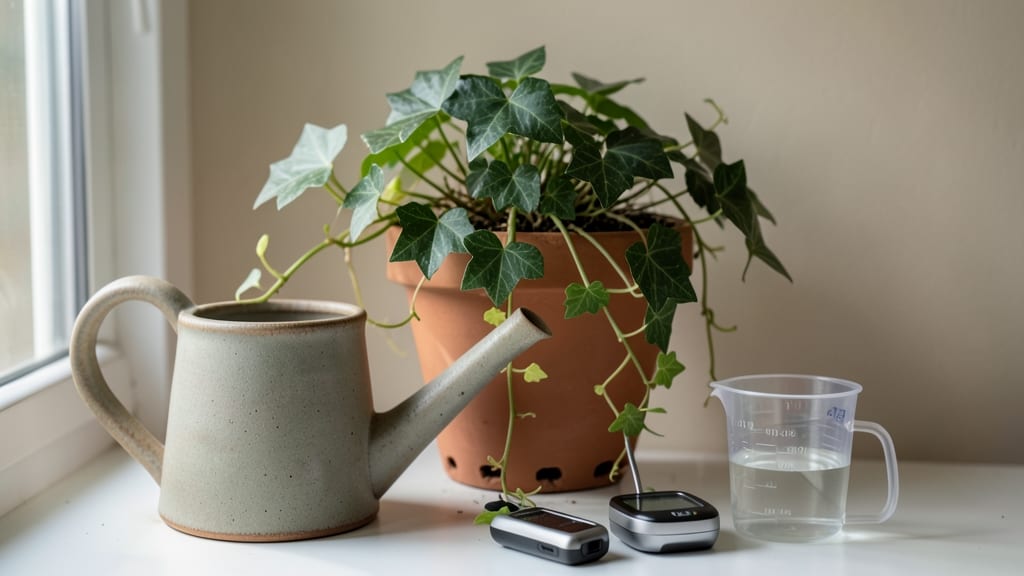
Watering your indoor ivy plant happens about every 1–2 weeks—but that number changes with pot size, humidity, and even the season.
Struggling to keep your indoor ivy lush and thriving? Overwatering or underwatering can turn your green thumb into a brown disaster—but the right watering schedule is simpler than you think. Most people guess, and that’s how root rot or crispy leaves sneak up on you.
Here’s the game-changer: a 5-week soil check method that adjusts for your home’s conditions, so you never over- or underdo it. We’ll cover how to read your plant’s signals, when to water in winter vs. summer, and how pot size affects frequency.
By the end, you’ll know exactly when to water, how much to give, and what to watch for—so your ivy stays vibrant year-round.
The 5-Week soil check method for perfect ivy watering
Mastering the art of watering your indoor ivy plant doesn’t require a degree in botany—just a simple 5-week soil check method that adapts to your plant’s needs. Unlike outdoor ivy, indoor varieties like English Ivy (Hedera helix) rely entirely on you to strike the perfect balance between hydration and drought.
Too much water causes root rot, while too little leads to crispy leaves. My method eliminates guesswork by focusing on soil moisture, seasonal changes, and plant maturity.
Start by testing your ivy’s soil moisture every 5 days for the first month. Use your finger to check the top 1-2 inches—if it feels dry, it’s time to water. If it’s still damp, wait another day.
This initial phase helps you understand your ivy’s unique rhythm, as factors like pot size, humidity levels, and even your home’s temperature play critical roles. For example, a 6-inch pot may dry out faster than a 10-inch one, while a sunny south-facing window increases evaporation rates.
After the first 5 weeks, shift to a bi-weekly check (every 10-14 days) once you’ve established a baseline.
Ivy plants in bright indirect light (like near an east or north window) typically need water every 7-10 days, while those in dimmer corners may stretch out their watering schedule to every 2 weeks.
Pro tip: Group your ivy with other plants to create a microclimate—the extra humidity from neighboring foliage slows soil drying.
🌿
| Week | Soil Check | Watering Frequency | Adjustments |
|---|---|---|---|
| 1-5 | Daily (top 1-2") | Every 5-7 days | Observe leaf color |
| 6-10 | Every 3 days | Every 7-10 days | Reduce if leaves yellow |
| 11-15 | Weekly | Every 10-14 days | Increase if soil dries fast |
| Ongoing | Bi-weekly | Every 2-3 weeks | Seasonal light changes |
Pay close attention to signs of overwatering like yellowing leaves, mushy stems, or a foul smell from the soil—these are red flags that your ivy is drowning. On the flip side, underwatered ivy shows crispy brown edges, drooping vines, and soil that pulls away from the pot’s sides.
If you notice these symptoms, adjust your schedule immediately. For instance, if your ivy’s leaves start curling in winter, it might need water every 3 weeks instead of every 2.
Humidity levels also demand your attention. Indoor heating in winter can dry out the air, causing your ivy’s soil to dry faster. Place a tray of pebbles and water near the plant to boost humidity, or mist the leaves lightly every few days.
In summer, when humidity naturally rises, you can extend the time between waterings by 1-2 days. Always water in the morning to allow excess moisture to evaporate during the day, reducing the risk of fungal growth.
Another pro tip: Use a moisture meter for accuracy, especially if you’re new to ivy care. These $10 tools take the guesswork out of soil checks and help you fine-tune your schedule.
Over time, you’ll develop an intuition for your ivy’s needs—like knowing it’s thirsty when the leaves lose their glossy sheen. Remember, consistency is key: Ivy plants thrive on routine, so stick to your schedule once you’ve established it.
💧
By week 5, you’ll have a clear picture of your ivy’s ideal watering rhythm. Most mature indoor ivy plants need water every 10-14 days in stable conditions, but don’t be afraid to tweak this based on your observations.
For example, if your ivy is trailing vigorously, it’s likely thirsty and may need water every 7 days. Conversely, a slow-growing ivy in a large pot might only need water every 3 weeks.
The key is to listen to your plant—its leaves, stems, and overall vigor will tell you everything you need to know.
Finally, always ensure your iv
How ivy plant water needs change by season (with adjustments)
Your indoor English ivy thrives on consistency, but its water needs shift dramatically with the seasons. In summer, the plant drinks like a thirsty athlete after hours of bright light, while winter slows its metabolism to a crawl.
Ignoring these changes can lead to root rot or crispy, brown leaves—neither of which your ivy deserves. The key is adjusting your watering routine based on temperature, humidity, and daylight, not just a rigid schedule.
Many gardeners make the mistake of watering their ivy the same way year-round, but this approach fails to account for how seasonal factors like low winter humidity or summer heat waves alter soil moisture levels.
For example, a 6-inch pot might need water every 5-7 days in July but stretch to every 3 weeks in January. The solution? Learn to read your plant’s signals and adjust before stress sets in.
Seasonal Ivy Watering Adjustments
- Spring (March-May): Increase watering gradually as light intensifies. Water when top 1-2 inches of soil dry—typically every 7-10 days.
- Summer (June-August): Water every 5-7 days (or daily in extreme heat). Check soil daily—ivy wilts fast when thirsty.
- Fall (September-November): Reduce to bi-weekly watering as temps drop. Soil stays moist longer.
- Winter (December-February): Water every 3-4 weeks unless humidity is very low (then every 2 weeks).
💡 Pro Tip: Use a moisture meter or stick your finger 1 inch deep—if dry, water thoroughly.
In summer, your ivy’s growth rate accelerates thanks to longer daylight hours, so it’ll drink 2-3x more water than in winter. Place the pot near a humidifier or pebble tray to mimic natural conditions, and avoid letting the soil dry out completely between waterings.
A quick test: Gently tug on a leaf—if it resists, the plant’s hydrated; if it falls off easily, it’s thirsty.
Winter is when ivy plants conserve energy, slowing water uptake by up to 70%. Overwatering in cold months is a common mistake because low light reduces evaporation, keeping soil damp longer.
To prevent root rot, let the top 3 inches of soil dry out before watering again. If your home has forced-air heating, increase watering slightly to combat dry air.
Watch for early stress signals like yellowing leaves (overwatering) or brown leaf tips (underwatering). These signs appear weeks before the plant looks severely damaged. For example, in summer, drooping leaves by noon mean it’s time to water—don’t wait until evening when roots may already suffer.
Adjust your routine monthly based on these cues and your home’s microclimate.
Create a seasonal checklist to stay on track: Mark your calendar for spring and fall adjustments, and set reminders to check soil moisture in summer. Group ivy plants with others needing similar care, and use self-watering pots if you travel often.
With these tweaks, your ivy will stay lush and vibrant through every season—no brown thumb required.