
Container Gardens
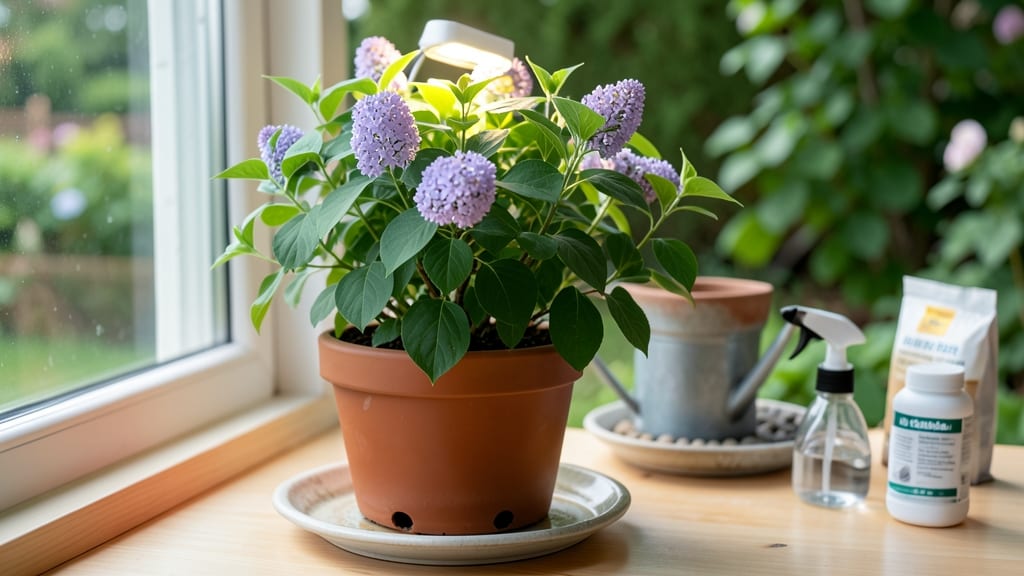
Growing lilacs indoors means trading springtime bursts for year-round fragrance—though they're not built for it. 🌿 I've kept mine alive for three winters now, and the secret isn't forcing them to bloom indoors but mastering their light, humidity, and pruning needs to keep them healthy enough to reward you with occasional flowers.
The right variety makes all the difference—dwarf lilacs like 'Miss Kim' or 'Little Lila' stay compact enough for indoor pots (15-20 gallons) while still producing fragrant blooms. You'll need a south-facing window or grow lights for 12+ hours daily, and a humidity tray to mimic their outdoor moisture needs.
Most people fail because they treat lilacs like houseplants—they're actually small trees that need strong light and occasional outdoor trips in summer.
With proper care, you'll see glossy green leaves year-round and occasional blooms that perfume your space. The real magic happens in pruning: shaping in late winter (when growth slows) keeps them manageable, and cutting back old wood encourages new growth.
Even indoors, they'll reward you with that classic lilac scent—just don't expect the same dramatic spring displays you'd get outside.
This works best for patient gardeners who love a challenge—lilacs indoors are a labor of love, not a quick fix. But the satisfaction of keeping a traditionally outdoor plant thriving inside? That's a fragrance no store-bought bouquet can match. Here's how to make it work for your space and climate.
📚 In This Guide
- What you need
- Instructions
- Tips and common mistakes
- Wrapping up and next steps
What you need
- ● Lilac plant: 1 dwarf variety (e.g., Syringa meyeri or Syringa patula) or a potted lilac cutting (3–6 inches tall).
- ● Pro tip: 💡 Buy from a reputable nursery or propagate your own from a healthy outdoor lilac!
- ● Container: 1 large pot (12–18 inches in diameter) with drainage holes.
- ● Material: Terracotta, ceramic, or plastic (terracotta helps regulate moisture).
- ● Potting mix: 1 bag (5–10 gallons) well-draining, slightly acidic soil (pH 6.0–7.0). Mix equal parts: Potting soil
- ● Perlite or coarse sand (for aeration)
- ● Compost (for nutrients)
- ● Drainage layer: 1–2 inches of gravel, pebbles, or broken pottery pieces.
- ● Fertilizer: Balanced, slow-release fertilizer (10-10-10 or 20-20-20) or organic options like fish emulsion.
- ● Tools: Pruning shears (sterilized with rubbing alcohol)
- ● Watering can with a narrow spout
- ● Spray bottle (for humidity)
- ● Grow lights (LED or fluorescent, 12–14 hours/day for winter)
- ● Humidity tray (pebbles + water to boost moisture)
- ● Mulch (1 inch of pine bark or straw to retain moisture)
- ● Support stake (if your lilac grows tall or leggy)
- ● Pest control: Neem oil or insecticidal soap (preventative measure)
Step-by-Step guide to growing lilacs indoors
Bring that classic spring fragrance indoors with these simple steps—your lilac will thrive year-round.
🪴 Step 1: Choose the Right Container and Soil Mix
Start with a 12-14 inch diameter pot—lilacs need room for their roots to spread. I always use a container with drainage holes to prevent soggy soil, which lilacs hate. Fill the bottom third with orchid bark or perlite for extra drainage, then add a high-quality acidic potting mix (lilacs prefer a pH between 5.5 and 6.5).
Tap the pot gently to settle the soil, but don’t pack it down too tightly. Lilacs have shallow roots, so you want the mix to stay loose and airy. Add a handful of slow-release fertilizer mixed into the top layer—this gives your plant a steady nutrient boost without overwhelming it.
☀️ Step 2: Position for Bright, Indirect Light
Lilacs need at least 6 hours of bright, indirect light daily. Place your pot near an east-facing window or under a grow light if natural light is limited. Direct sunlight can scorch the leaves, so avoid south-facing windows unless you’re using sheer curtains to diffuse the light.
Watch for signs of light stress: if the leaves turn pale or stretch toward the light (called "etiolation"), your lilac needs more brightness. Rotate the pot a quarter turn weekly to encourage even growth. You’ll notice new leaves emerging more uniformly after a few weeks of consistent light exposure.
💧 Step 3: Water Wisely to Keep Soil Moist but Not Soggy
Water your lilac when the top inch of soil feels dry to the touch. Stick your finger into the soil—if it’s damp just below the surface, wait another day. Overwatering is the #1 killer of indoor lilacs, so always check before adding more water. Use room-temperature water to avoid shocking the roots.
Empty the saucer under the pot after watering to prevent root rot. Lilacs are drought-tolerant once established, but they prefer consistent moisture. If the leaves start yellowing or wilting, it’s a sign you’re either overwatering or underwatering. Adjust your schedule until you find that sweet spot.
✂️ Step 4: Prune for Health and More Blooms
Prune your lilac in early spring (just as buds form) and again after flowering to shape the plant. Use clean, sharp pruners to cut back one-third of the oldest stems to encourage new growth. This also prevents the plant from becoming too leggy indoors. Remove any dead, diseased, or crossing branches first—they’ll only compete with healthy growth.
Don’t skip pruning! I’ve seen lilacs grow wild and woody indoors if left unchecked. After pruning, give your plant a light fertilizer to reward it for the stress. You’ll see fresh, vibrant foliage and more blooms in the next season if you keep this up.
🌿 Step 5: Maintain Humidity and Watch for Pests
Lilacs love humidity—aim for 40-50% relative humidity. Place the pot on a tray of pebbles filled with water (but keep the pot elevated so roots don’t sit in water) or use a small humidifier nearby. Mist the leaves lightly in the morning, but avoid wetting the flowers if your lilac is blooming.
Check the undersides of leaves weekly for spider mites or aphids. Wipe leaves with a damp cloth to remove dust, which helps the plant breathe. If pests appear, treat with neem oil or insecticidal soap—lilacs are tough but hate these little critters. A healthy plant with shiny leaves is your best defense against infestations.
Tips & tricks for perfect indoor lilac growth
Between us, the difference between a thriving indoor lilac and one that struggles often comes down to these small but critical details.
Container and Drainage: I can’t stress enough how important that 12-14 inch pot is—it gives roots room to spread without becoming root-bound. If you're using a decorative pot without drainage, always nest it inside a saucer with pebbles and water (keeping the pot elevated) to catch excess moisture. The orchid bark or perlite layer in Step 1 isn't just for show—it's your first line of defense against soggy soil, which lilacs despise more than anything.
Light Exposure: That 6 hours of bright, indirect light is non-negotiable, but here's what I've learned the hard way: if your east-facing window doesn't get enough sunlight, invest in a full-spectrum grow light on a timer. I've seen lilacs stretch toward weak light sources and become leggy—it's heartbreaking to watch. The quarter-turn rotation you should do weekly isn't just about even growth; it's also how you'll spot early signs of light stress before it becomes permanent.
Pruning Precision: When Step 4 says to cut back one-third of the oldest stems, I mean it—measure those stems if you're unsure which ones qualify. The oldest stems are usually the thicker, woody ones at the base. And here's a pro move: after pruning, wipe your pruners with rubbing alcohol between cuts. It prevents spreading any potential diseases from one branch to another, and trust me, your lilac will thank you with healthier blooms next season.
Humidity Hacks: The 40-50% humidity target can feel tricky in dry indoor air, so here's my go-to trick: place your lilac pot on a bed of damp sphagnum moss (not water) in a shallow tray. The moss holds moisture without sitting the roots in water, and it creates a natural humid microclimate. Just refresh the moss every few days—your lilac's leaves will stay glossy and happy, which is always a good sign.
Pro Tips for Growing Lilacs Indoors
- Between us, the difference between a thriving indoor lilac and one that struggles often comes down to these small but...
- Container and Drainage: I can’t stress enough how important that 12-14 inch pot is—it gives roots room to spread with...
- Light Exposure: That 6 hours of bright, indirect light is non-negotiable, but here's what I've learned the hard way: ...
Frequently asked questions
Got questions about bringing lilacs indoors? Here are some common ones—and their answers—to help you grow fragrant blooms year-round!
Can I grow lilacs indoors from cuttings or seeds?
Lilacs thrive best from hardwood cuttings (taken in late winter) or potted nursery plants rather than seeds. Seeds require years to mature, while cuttings root faster (6–8 weeks) with proper humidity and warmth. For seeds, patience is key—but expect blooms in 3–5 years!
How long does it take for indoor lilacs to bloom?
Indoor lilacs may take 1–3 years to bloom, depending on variety, light, and care. Dwarf cultivars (like ‘Miss Kim’) often flower sooner. Prune sparingly the first year to encourage root growth. Patience pays off—fragrant blooms are worth the wait!
Do indoor lilacs need full sun like outdoor ones?
Indoor lilacs need bright, indirect light (4–6 hours daily) near a south/west window. Supplement with grow lights (12–14 hours/day) in winter. Avoid harsh direct sun, which can scorch leaves. Rotate pots monthly for even growth.
Why are my indoor lilac leaves yellowing or dropping?
Yellow leaves often signal overwatering (check soil moisture—top inch should dry) or nutrient deficiency. Brown edges? Try lower humidity or misting. Dropping buds? It’s likely stress from drafts or temperature swings. Keep temps steady (60–75°F) and avoid cold windowsills.
What’s the best indoor alternative if lilacs are too tricky?
Try these fragrant, low-maintenance indoor bloomers:
- Jasmine (sweet scent, thrives in pots)
- Gardenia (creamy blooms, loves humidity)
- Orchids (easy care, exotic beauty)
- Lantana (colorful, drought-tolerant)
Wrapping up and next steps
Growing lilacs indoors is a rewarding way to enjoy their intoxicating fragrance and beauty year-round—with a little patience and care! Whether you’re pruning for shape, health, or blooms, remember that consistency is key. Start small, experiment with containers, and soon you’ll have a thriving indoor lilac that brightens every room.
Ready to take the next step? Share your progress with fellow plant lovers or explore advanced techniques like layering or grafting to expand your indoor garden. Happy pruning—your fragrant oasis awaits! 🌿✨