Container Gardens
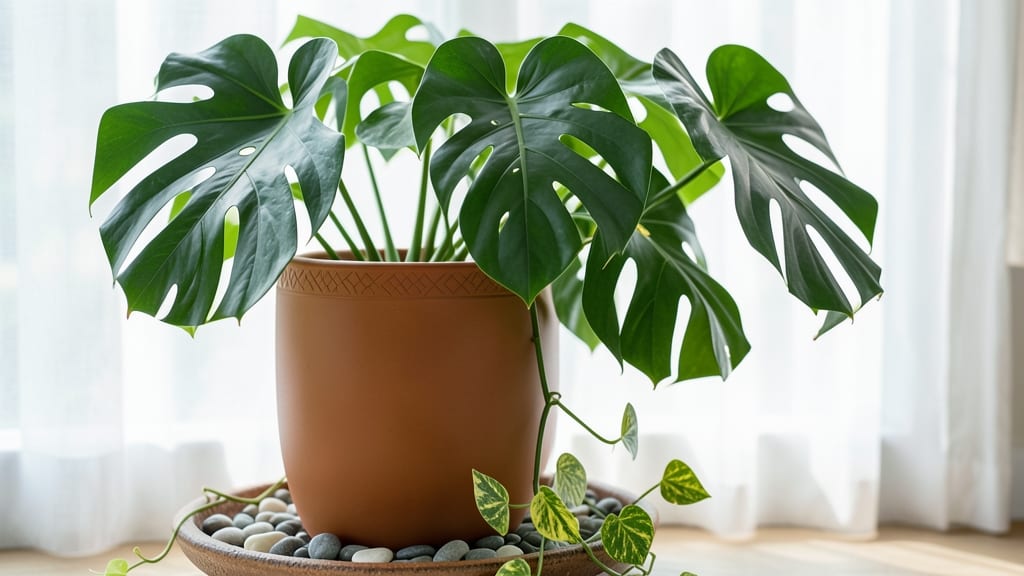
A big vase for indoor plants instantly turns a houseplant into a room-changing centerpiece. 🌿 I used to think vases were just for flowers—until I found the perfect ceramic pot that now holds my monstera, its glossy leaves spilling dramatically over the sides.
The right container doesn’t just hold a plant; it frames it, making even a simple snake plant feel like a luxury statement.
Material matters just as much as size. Heavy ceramic keeps plants stable (no tipping when leaves get big), while glass vases let roots breathe and show off trailing plants like pothos. Metal adds industrial edge, but watch for heat—some finishes get too hot for delicate fiddle-leaf figs.
And size? For plants over 3 feet tall, aim for a vase at least 12 inches wide—wide enough to balance the plant’s weight and spread its beauty.
Here’s the magic: the right vase makes your plant look intentional, not accidental. A glazed ceramic vase in matte green complements monstera’s variegation, while a matte black metal one makes snake plants pop against dark decor.
The key is harmony—vase color should either match the plant’s foliage or create contrast (think white vase + deep burgundy leaves).
Pro tip: If your plant outgrows its vase, don’t rush to upgrade—just add a cache-pot (a decorative outer pot) to keep the look cohesive. And always check drainage: even indoor plants need airflow at the roots. Your plant will thank you with lush, thriving growth that steals the show.
📚 In This Guide
- What you need
- Instructions
- Tips and common mistakes
- Wrapping up and next steps
What you need
- ● Large Vase: Minimum 12–18 inches in diameter (or taller, depending on plant size).
- ● Material: Ceramic, glass, metal, or fiberglass (ensure it’s non-toxic for plants).
- ○ Optional: Decorative vase with drainage holes (if repurposing for hydroponics).
- ● Potting Mix: 1–2 bags of well-draining soil (e.g., cactus/succulent mix or all-purpose blend).
- ○ Optional: Perlite or orchid bark (for extra aeration).
- ● Drainage: 1–2 layers of pebbles or broken pottery (if your vase lacks holes).
- ○ Optional: Coir liner (for moisture control).
- ● Plant(s): Large indoor plants like Monstera, Fiddle Leaf Fig, or Snake Plant (ensure they fit the vase!).
- ○ Optional: Trailing plants (e.g., Pothos or String of Hearts) for a cascading look.
- ● Tools (if DIY-ing): Drill + masonry bit (to add drainage holes).
- ● Paintbrush + non-toxic sealant (for decorating).
- ● Measuring tape + level (for placement).
- ● 🔍 Check vase weight: Ensure it’s stable (especially for tall vases) or use a wide base for balance.
- ● 🌧️ Test drainage: If repurposing a decorative vase, soak it first to check for leaks.
- ● ✨ Style boost: Add pebbles, moss, or fairy lights for a luxe touch!
How to style big indoor vase plants for maximum impact
Transform your space with bold foliage—here’s how to arrange large statement plants in vases for drama and balance.
🪴 Step 1: Select the Right Vase for Your Plant’s Scale
Start by matching the vase to your plant’s height and spread. A 12-18 inch diameter vase works beautifully for floor plants like monstera or fiddle-leaf fig, while 8-10 inch vases suit medium-height plants like snake plants or pothos. I always opt for ceramic or concrete vases—they hold moisture better than glass and add weight to stabilize taller plants.
Check the vase’s base width too. A wide, shallow base (like a 16-inch diameter) provides stability for top-heavy plants, while a narrow, tall vase (like a 6-inch diameter) works for slender varieties. Fill the vase with 1-2 inches of decorative pebbles first—this improves drainage and prevents root rot in heavy pots.
🌿 Step 2: Choose Plants That Thrive in Vases
Not all plants suit vase arrangements. Look for low-maintenance, drought-tolerant varieties that handle the confined space. My top picks: snake plants (nearly indestructible), ZZ plants (thrive in low light), or monstera deliciosa (adds lush texture). Avoid plants with aggressive root systems like bamboo—they’ll outgrow the vase quickly.
For a multi-plant vase, combine plants with similar light and water needs. Pair a pothos (trailing) with a peperomia (upright) for height variation. Use hydroponic soil or lightweight potting mix—it’s easier to handle in tight spaces and drains better. Skip garden soil; it compacts and suffocates roots.
☀️ Step 3: Position for Light and Airflow
Place your vase near a south or west-facing window for bright, indirect light—most tropical plants need 6-8 hours daily. If your space is north-facing, opt for low-light tolerant plants like pothos or cast iron plants. Rotate the vase quarter-turn weekly so the plant grows evenly toward the light.
Never crowd vases together. Plants in tight clusters compete for air circulation, leading to mold or pests. Keep 12-18 inches between vases for airflow. If using a glass vase, ensure the plant’s pot fits snugly—gaps let soil dry out unevenly. Water only when the top inch of soil feels dry—overwatering in confined spaces is the #1 killer of vase plants.
💧 Step 4: Water and Maintain for Long-Lasting Beauty
Watering vase plants requires precision. Since they’re in closed containers, overwatering causes root rot faster than in open pots. I use the "finger test"—stick your index finger 1 inch deep into the soil. If it’s dry, water until it drains from the bottom. If it’s still damp, wait 2-3 more days. Glass vases slow evaporation, so they need water less often than ceramic.
Dust leaves monthly with a damp microfiber cloth—dust blocks light and weakens plants. For extra drama, mix in seasonal elements: Add eucalyptus sprigs in winter or orange slices in fall. Just avoid decaying materials—they attract pests. Prune leggy growth above a leaf node to encourage bushier, fuller plants. With the right care, your vase plants will stay vibrant for months.
Tips & tricks for stylish indoor vase plant arrangements
Creating a showstopping display with big indoor vase plants takes more than just plopping foliage in a container—these refined touches make all the difference.
Vase Material Matters: Ceramic and concrete vases aren't just about aesthetics—they're functional game-changers. Ceramic holds moisture better than glass, which is critical for the 6-8 hours of daily light most tropical plants need. For extra stability with top-heavy plants like monstera, I always look for vases with a 16-inch diameter base—the wider the better. Pro tip: If using a glass vase, add a layer of pebbles first to prevent soil from sticking to the sides when watering.
Plant Pairing Strategy: The key to successful multi-plant arrangements is balancing textures and growth habits. For example, combine a trailing pothos with an upright peperomia—their contrasting shapes create visual interest while sharing similar watering needs. When mixing plants, always check their light requirements first. A snake plant (which thrives in lower light) won't appreciate being paired with a light-hungry monstera that needs those critical 6-8 hours of bright, indirect light.
Light Rotation Hack: That weekly quarter-turn rotation isn't just about looks—it's essential for even growth. Most plants lean toward light sources, creating lopsided growth. By rotating your vase every 7 days, you'll encourage more balanced, bushier foliage. For north-facing rooms where light is limited, I recommend placing your vase within 3 feet of the window and supplementing with a small grow light for 2-3 hours daily during winter months.
Seasonal Decor Integration: The decorative elements you add can elevate your arrangement from ordinary to extraordinary. In winter, I tuck fresh eucalyptus sprigs among the foliage—they add fragrance and seasonal interest without competing with the plants. For fall displays, try adding dried orange slices or cinnamon sticks between the leaves. Just remember: avoid anything that will decay quickly, as it can attract pests to your carefully curated display.
Pro Tips for Big Vase For Indoor Plants
- Creating a showstopping display with big indoor vase plants takes more than just plopping foliage in a container—thes...
- Vase Material Matters: Ceramic and concrete vases aren't just about aesthetics—they're functional game-changers. Cera...
- Plant Pairing Strategy: The key to successful multi-plant arrangements is balancing textures and growth habits. For e...
Frequently asked questions
Got questions about styling your space with a big vase for indoor plants? You’re not alone! Here are some common queries—and their answers—to help you make the best choice for your home.
What’s the best size vase for a large indoor plant?
A good rule of thumb is to choose a vase that’s at least 20-30% wider than your plant’s pot. For floor plants like fiddle-leaf figs or monstera, aim for a vase that’s 12-18 inches in diameter to balance proportion. If the vase is too small, it’ll look cramped; too big, and the plant may get lost!
Can I use a big vase for indoor plants without drainage?
Yes, but with a few adjustments! If your vase lacks drainage holes, place a cache pot (a smaller pot with drainage) inside it. This keeps roots healthy while letting you enjoy the aesthetic of a decorative vase. Just ensure the cache pot fits snugly to avoid shifting.
What’s the best material for a big indoor plant vase?
It depends on your style and needs:
- Ceramic or porcelain: Classic, durable, and great for modern or minimalist decor.
- Glass: Lightweight and lets you show off your plant’s roots (if it’s a monstera or pothos!).
- Terracotta: Breathable and rustic, but heavier—best for floor plants.
- Metal or resin: Sleek and contemporary, but avoid if your plant needs humidity.
Pro tip: Avoid plastic if you’re using a cache pot—it can trap moisture and cause mold.
How do I clean a big vase for indoor plants without damaging it?
Most vases can handle a gentle soap-and-water mix with a soft sponge. For stubborn grime:
- Use vinegar or baking soda for mineral deposits (rinse well!).
- Avoid abrasive scrubbers on ceramic or glass—they can scratch.
- For terracotta, let it air-dry completely to prevent cracking.
For delicate pieces, like hand-painted vases, spot-clean with a damp cloth.
What if my plant outgrows its vase?
No need to panic! If your plant’s leaves are brushing the ceiling (or your vase looks too small), it’s time to upgrade. Choose a vase that’s proportionally larger—think 2-3 inches wider than the new pot. You can also trim leggy stems to encourage bushier growth, giving your plant a fuller look in the same vase.
Wrapping up and next steps
Choosing a big vase for indoor plants isn’t just about aesthetics—it’s about creating a thriving, stylish sanctuary that breathes life into your space. Whether you’re drawn to bold ceramic designs, sleek glass containers, or rustic wooden planters, the right vessel can transform your home into a lush, inviting retreat. 🌿✨
Now that you’re armed with the perfect knowledge, take the next step: pick your favorite vase and let your green thumb shine! Start small with one statement piece, or go all out with a curated collection—your space (and plants) will thank you.