
Container Gardens
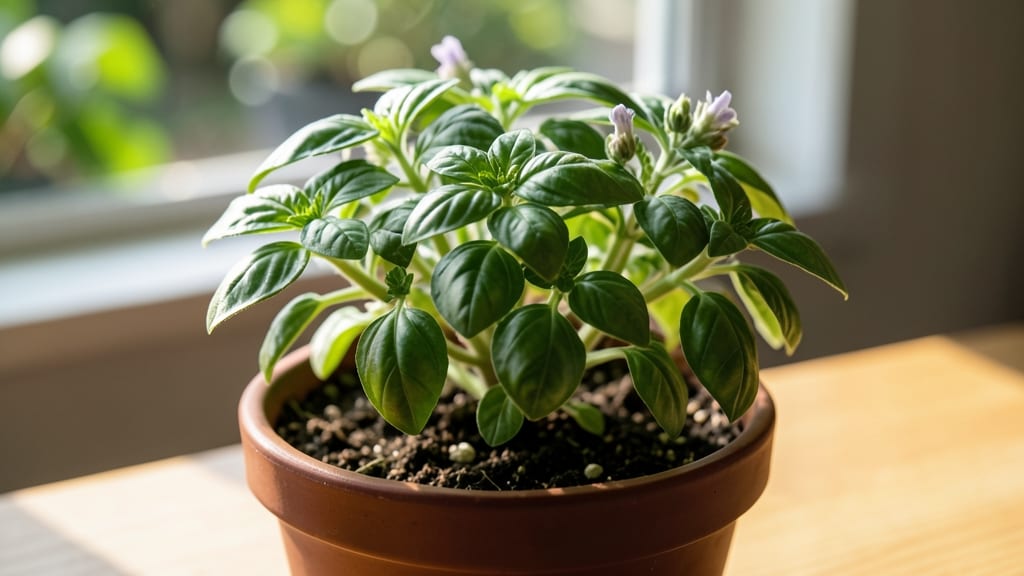
Growing basil indoors through winter is easier than you think—even when your windows are fogged up with cold. 🌿 I’ve kept my kitchen windowsill stocked with fresh basil for three straight winters, and the secret isn’t fancy equipment but matching the plant’s needs to what your space can actually provide.
The difference between potted basil that thrives and the sad, leggy plants you see at grocery stores comes down to light, warmth, and a little extra care during the dark months.
You’ll need just three things to get started: a sunny window (or a basic grow light), a pot with drainage, and a watering routine that keeps the soil moist but never soggy.
Basil loves warmth—aim for 65-75°F—and it won’t forgive soggy roots, so terracotta pots or containers with drainage holes are your best friends. The payoff? Pungent, flavorful leaves that outperform anything you’d buy at the store, even in January.
By February, you’ll be harvesting enough basil for pesto, salads, and sandwiches without ever stepping outside. The plants stay compact, bushy, and productive if you pinch back the tips regularly, and the aroma alone makes the kitchen feel like spring.
No more wilting grocery-store basil—just a steady supply of fresh, vibrant leaves that taste like summer.
This method works for any indoor space, from bright sunrooms to dimmer apartments with grow lights. The key is adjusting as the seasons change—more light in December, less water in February—and watching your basil respond. Let’s get those seeds or seedlings growing!
📚 In This Guide
- What you need
- Instructions
- Tips and common mistakes
- Wrapping up and next steps
What you need
- ● Basil plants: 1–3 healthy Genovese or Sweet basil plants (potted or seeds).
- ● Container: 6–12-inch drainage-friendly pots (terracotta or fabric) with drainage holes.
- ● Potting mix: 2–3 gallons of well-draining, organic soil (e.g., 60% potting mix + 40% perlite/vermiculite).
- ● Grow lights: 1–2 full-spectrum LED lights (12–16 watts per square foot) or a south-facing window (if natural light is limited).
- ● Watering can: 1 with a gentle spray nozzle (to avoid overwatering).
- ● Fertilizer: 1 bottle of balanced liquid fertilizer (5-5-5 or 10-10-10, diluted to half-strength).
- ○ Humidity tray: 1 shallow tray + pebbles (optional but helpful for dry indoor air).
- ● Pruning shears for harvesting and shaping.
- ● Thermometer/hygrometer to monitor temperature (65–75°F) and humidity (40–60%).
- ● Epsom salt (1 tsp/month) for magnesium boosts.
- ● Compost tea or fish emulsion for organic nutrient kicks.
Step-by-Step instructions for growing basil indoors this winter
Grow lush, flavorful basil indoors all winter with this easy method—no greenhouse needed.
🌱 Step 1: Choose the Right Basil Variety and Containers
Start with Genovese or Sweet Basil seeds or young plants from a nursery. These varieties thrive indoors and produce the best flavor. Use 6-inch diameter pots with drainage holes for each plant—basil roots need room to spread and hate soggy feet.
I like to use lightweight terracotta pots because they wick away excess moisture, which is key for winter growing. If your pots don’t have drainage, drill holes yourself—basil will sulk and yellow if it sits in wet soil. Fill each pot with well-draining potting mix (never garden soil) and water lightly before planting.
💧 Step 2: Plant and Provide Warmth for Germination
Sow seeds ¼ inch deep or transplant young plants, spacing them 2-3 inches apart. Press the soil gently around the roots to eliminate air pockets. Basil loves warmth—place your pots on a seedling heat mat set to 70-75°F until sprouts appear.
Cover the pot with a clear plastic dome or wrap it in plastic wrap to trap humidity. Check daily for condensation—this tells you the soil stays moist without drowning the seeds. Germination takes 7-14 days, but keep the soil warm and damp until you see the first true leaves (not the tiny seed leaves).
☀️ Step 3: Position for Bright, Indirect Light
Basil needs 6-8 hours of bright light daily to stay compact and flavorful. A south-facing window works best, but if your space is dim, supplement with a grow light placed 6 inches above the plants. You’ll know your basil is happy when leaves are dark green and glossy—not pale or stretching toward the light.
Rotate the pot a quarter turn weekly so the plant grows evenly. Leggy basil (long stems with sparse leaves) means it’s not getting enough light. If this happens, move the plant closer to the light or increase grow light hours to 12-14 hours daily.
🪴 Step 4: Water and Fertilize for Continuous Growth
Water when the top inch of soil feels dry, but never let the soil stay soggy. Overwatering is the #1 killer of indoor basil—yellow leaves or mushy stems mean you’re watering too much. Use room-temperature water to avoid shocking the roots, and empty the saucer under the pot after 10 minutes to prevent root rot.
Feed your basil every 4-6 weeks with a balanced liquid fertilizer diluted to half strength. I like to fertilize right after watering so the nutrients soak into the soil. Stop fertilizing in late fall to encourage dormancy if you’re not harvesting.
✂️ Step 5: Prune and Harvest for Bushier Plants
Pinch off the top set of leaves when the plant reaches 6 inches tall to encourage bushier growth. This also prevents the plant from flowering too soon, which makes leaves bitter. Regular harvesting keeps basil productive—snip leaves from the top or sides, leaving at least 2-3 inches of stem on each branch.
Use freshly harvested basil within 3-5 days for peak flavor. If you’re growing for pesto or drying, harvest just before flowers appear. Store pruned plants in a cool, bright spot overnight to recover before returning them to their sunny window.
Tips & tricks for growing basil indoors this winter
These simple strategies will help you keep your basil thriving even when winter chills the air outside.
Light is Everything: In Step 3, when positioning your basil for that crucial 6-8 hours of light, don't just rely on windows. If your space gets dimmer in winter, supplement with a grow light placed just 6 inches above the plants. I've seen basil stretch toward weak light and become leggy—this is your plant's way of saying "I need more!" Rotate the pot weekly to prevent uneven growth toward the light source.
Germination Warmth Secret: That 70-75°F heat mat in Step 2 isn't just about speed—it's about consistency. I've found that using a simple thermometer to monitor soil temperature prevents cold spots that can stall germination. If your seeds take longer than 14 days to sprout, check if the heat mat is working properly or if you need to move the pot to a warmer spot.
Watering Wisdom: The 10-minute saucer rule in Step 4 is your best defense against root rot. I've ruined basil plants by leaving water sitting in saucers for hours—this creates the perfect conditions for fungal growth. Pro tip: Use a spray bottle for the top inch check instead of pouring water directly on the soil, which helps prevent disturbing the roots while checking moisture.
Pruning Payoff: When you pinch those top leaves at 6 inches in Step 5, you're not just shaping the plant—you're encouraging new growth. I like to harvest leaves in the morning when essential oils are at their peak. Store harvested basil in a glass of water in the fridge for up to 5 days to keep it fresh, just like a mini bouquet!
Pro Tips for Basil Indoors Winter
- These simple strategies will help you keep your basil thriving even when winter chills the air outside.
- Light is Everything: In Step 3, when positioning your basil for that crucial 6-8 hours of light, don't just rely on w...
- Germination Warmth Secret: That 70-75°F heat mat in Step 2 isn't just about speed—it's about consistency. I've found ...
Frequently asked questions
Got questions about keeping basil thriving indoors during winter?
You’re not alone! Here are answers to the most common concerns—from lighting hacks to pest prevention—so your fragrant green friend stays happy all season long.
How much light does basil need indoors in winter?
Basil craves bright, indirect light (6–8 hours daily). Place it near a south-facing window or supplement with a grow light 6–12 inches away for 12–14 hours. Yellowing leaves? It’s begging for more light!
Can I keep basil alive indoors all winter?
With the right care—warmth (65–75°F), humidity (use a pebble tray), and pruning—basil can thrive year-round. Just avoid drafts and watch for leggy growth (a sign it needs more light). Pro tip: Rotate pots weekly for even exposure!
Why are my indoor basil leaves turning yellow or spotted?
Yellow leaves often mean overwatering (let soil dry 1–2 inches deep between waterings) or pests like spider mites. Wipe leaves with soapy water weekly. Spots? Check for fungus—improve airflow and avoid wet foliage.
What’s the best indoor basil alternative if I can’t grow it?
Try genovese basil (hardier) or sweet basil substitutes like thyme, oregano, or cilantro for cooking. For pesto, Swiss chard or spinach work too! Need a low-maintenance option? Mint thrives indoors with minimal light.
How often should I fertilize indoor basil in winter?
Cut back to every 4–6 weeks with a balanced liquid fertilizer (half-strength). Over-fertilizing burns roots! Pro tip: Flush soil with water monthly to prevent salt buildup.
Wrapping up and next steps
Growing basil indoors during winter isn’t just possible—it’s a rewarding way to bring fresh, fragrant herbs to your kitchen year-round! 🌱 With the right setup, a little care, and these tips, you’ll enjoy vibrant plants and flavorful harvests even when frost nips at the door.
Start small, stay consistent, and soon you’ll be savoring homegrown basil in soups, pesto, or teas without ever leaving your cozy space.
Ready to take the next step? Pick your favorite basil variety, gather your supplies, and start your indoor garden today! Your taste buds (and dinner guests) will thank you. 😊