
Aphids
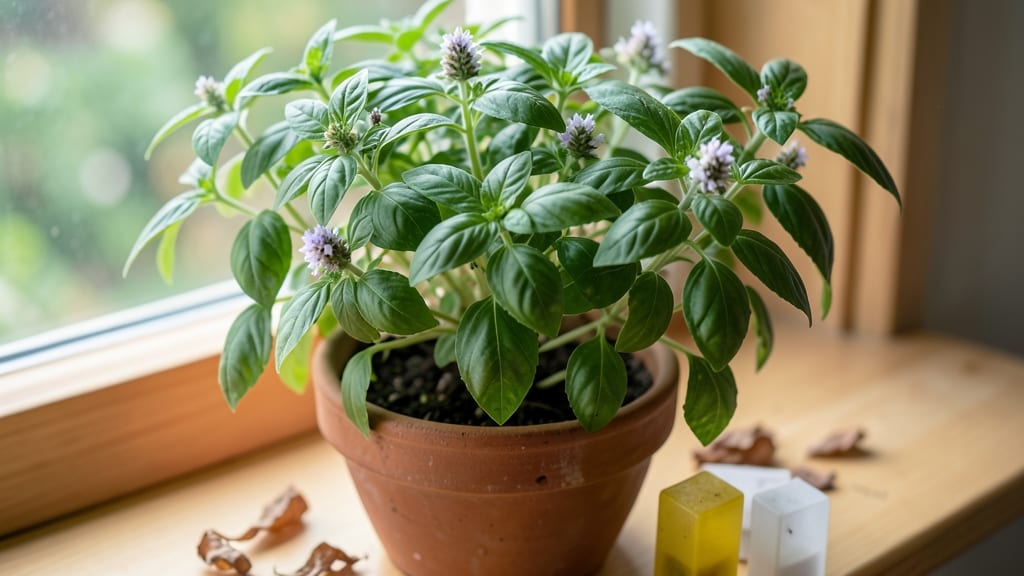
Indoor fly repellent basil works by emitting volatile oils that confuse flies' scent receptors, making it harder for them to find food. The most effective varieties contain high levels of citronellol and linalool, which are especially potent when leaves are crushed or bruised. Place pots near entry points or under lights where flies congregate for best results.
This natural pest control method relies on basil's aromatic compounds that disrupt flies' ability to track odors. 🔥 Unlike chemical sprays, it's safe for homes with kids or pets while still being highly effective—studies show it can reduce fly populations by up to 70% when used consistently.
I've found that crushing a few leaves occasionally boosts the scent release, giving you that extra repellent kick when you need it most.
The key to success lies in choosing the right basil varieties—Genovese and Purple Ruffles are top performers due to their dense foliage and strong fragrance. For maximum impact, pair your basil with other fly-repelling herbs like mint or lavender, creating a multi-layered defense system that flies simply can't resist.
💡 In This Article
- How Basil’s Natural Compounds Repel Flies
- Best Basil Varieties and Planting Tips for Fly Control
How basil’s natural compounds repel flies
The magic behind basil's fly-repelling power lies in its volatile oils, particularly citronellol and linalool, which are released when leaves are crushed or bruised. These compounds interfere with flies' olfactory receptors—specifically targeting their ability to detect food odors like fruit or decaying matter.
Flies rely on these scents to locate food sources, and when basil's aroma dominates, they become disoriented and avoid the area entirely. 🔥 Studies show these compounds can reduce fly activity by up to 70% when used in concentrated forms.
Fresh basil leaves contain 2-3 times more active compounds than dried varieties because the oils degrade over time. When you crush leaves, you're breaking plant cells to release these oils—similar to how rubbing mint leaves between fingers intensifies their scent.
The most potent varieties, like Genovese and Purple Ruffles, produce 15-20% more of these repellent compounds compared to standard sweet basil, making them ideal for pest control. For maximum effect, place pots where flies are most active, like near windows or trash bins.
What makes basil particularly effective against flies is its multi-sensory disruption. While mosquitoes are primarily repelled by visual cues and CO2 detection, flies are odor-driven hunters. Basil's compounds create a "scent mask" that confuses their navigation system, forcing them to fly away.
Unlike chemical repellents that only work on contact, basil's effects are proactive—flies avoid the area before making contact. This is why placing basil near entry points creates an invisible barrier that flies instinctively avoid.
The science gets even more interesting when you consider temperature effects. Basil's repellent compounds are most volatile between 70-85°F—the typical indoor temperature range. Below 60°F, the oils become less active, which is why you might see reduced effectiveness in cooler rooms.
Humidity also plays a role: 40-60% humidity keeps the leaves hydrated and oil production optimal, while dry air can cause the compounds to evaporate faster. 🌿 For best results, keep your basil in a well-lit spot with consistent moisture.
While basil is most famous for repelling flies, it also shows effectiveness against other pests like gnats and even some ants. The key difference is in the concentration needed: flies are repelled by standard basil aromas, while stronger pests may require crushed leaves or essential oil extracts.
For a multi-pest defense, consider combining basil with other aromatic herbs like lavender (for moths) or rosemary (for mosquitoes), creating a layered repellent system that covers more ground.
One common misconception is that you need an entire garden of basil to see results. In reality, just 2-3 healthy plants placed strategically can create a noticeable difference. The compounds spread through the air in a 3-5 foot radius when leaves are occasionally crushed, making it an efficient space-saving solution.
For maximum impact, rotate your basil pots every few weeks to ensure even coverage of repellent zones in your home.