
Propagation
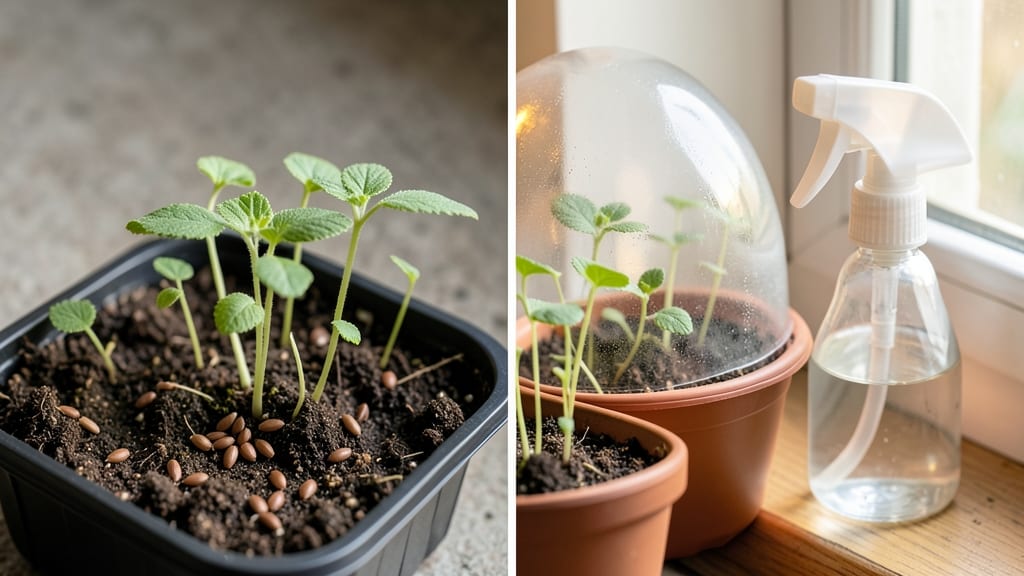
Growing catnip from seed indoors means your feline friend will have fresh, fragrant fun in just 6 weeks. 🌱 I’ve grown catnip indoors for years—it’s one of the easiest herbs to start from seed, and the cats go wild for it.
The key is keeping the soil moist but not soggy, giving those tiny sprouts the right light, and avoiding overcrowding as they grow.
You’ll need a shallow tray, seed-starting mix, and a sunny windowsill or grow light. Catnip seeds germinate fast—usually within 7-14 days—but they’re tiny, so don’t be surprised if they take a little longer to pop up.
Once they do, thin the seedlings to give them space to stretch their leaves without competing for light.
By week 6, you’ll have lush, aromatic catnip ready for potting or outdoor planting. The plants stay compact indoors, making them perfect for small spaces, and the cats will love rolling in the fresh, earthy scent.
Plus, catnip naturally repels pests like fleas and ants—so it’s a win for both your garden and your furry friends.
The trickiest part is keeping the soil consistently moist without drowning the seeds. Use a spray bottle for gentle watering, and avoid letting the tray sit in standing water.
If your catnip starts to look leggy, it’s time to move it closer to a brighter light or supplement with a grow bulb.
📚 In This Guide
- What you need
- Instructions
- Tips and common mistakes
- Wrapping up and next steps
What you need
- ● Catnip seeds: 1 packet (50–100 seeds). Look for Nepeta cataria—the classic variety!
- ● Growing containers: 2–4 small pots (4–6 inches wide) with drainage holes or a seed-starting tray with cells.
- ● Seed-starting mix: 2–3 cups of lightweight, sterile potting soil (avoid garden soil—it’s too dense!).
- ● Watering can or spray bottle: For gentle hydration (no drowning the seeds!).
- ● Grow lights or sunny windowsill: 6–8 hours of bright, indirect light daily (south-facing windows are ideal).
- ○ Plastic wrap or humidity dome: To keep seeds cozy until germination (optional but helpful!).
- ● Plant labels: To track varieties (especially if growing multiple plants).
- ● Fertilizer: A balanced liquid fertilizer (5-5-5 or 10-10-10) for young seedlings.
- ● Pruning shears: For trimming leggy stems later.
- ● Humidity tray: If your home is dry (place containers on pebbles + water).
- ● Catnip companion plants: Like basil or parsley (for a multi-purpose indoor garden!).
Step-by-step instructions for growing catnip indoors
Here's my foolproof method to grow catnip from seed indoors—no green thumb required.
🌱 Step 1: Prepare Your Containers and Soil
Start with clean, shallow containers at least 2-3 inches deep—I use small plastic trays or biodegradable pots. Fill them with a well-draining seed-starting mix (never garden soil—it's too dense and can harbor diseases). Moisten the mix until it's damp like a wrung-out sponge, but not soggy.
Press the soil down lightly to remove air pockets, then create small furrows about ¼ inch deep with your finger. The key here is to keep things loose and airy—catnip roots need room to breathe. I like to sprinkle a pinch of compost on top before planting for a gentle nutrient boost.
🌱 Step 2: Sow the Seeds Properly
Scatter the catnip seeds thinly along your furrows, spacing them about ½ inch apart. Press them gently into the soil with your fingertip—don't bury them too deep. Catnip seeds need light to germinate, so they should only be covered with a light dusting of soil.
Mist the surface with water until the soil looks evenly moist but not wet. A spray bottle works best here—you don't want to disturb the seeds. Place the container in a warm spot (around 70-75°F) where it can stay consistently moist until germination.
💧 Step 3: Create the Perfect Germination Environment
Cover the container with a clear plastic dome or wrap it in plastic wrap to create a mini greenhouse effect. This traps warmth and moisture, which catnip seeds love. Keep it in indirect light until you see sprouts—usually within 7-14 days. You'll know germination is happening when tiny green shoots push through the soil.
Once you see the first sprouts, remove the cover immediately. Too much humidity after germination can cause damping-off, a fungal disease that kills seedlings overnight. Water from the bottom by placing the tray in ½ inch of water for 10 minutes—this prevents disturbing the delicate seedlings.
☀️ Step 4: Provide Light and Encourage Strong Growth
Move your seedlings to a bright spot with at least 6 hours of indirect sunlight daily. A south-facing window works well, but if natural light is weak, supplement with a grow light kept 4-6 inches above the plants. You'll see strong growth when leaves are dark green and stems are sturdy—not tall and leggy.
Water when the top inch of soil feels dry to the touch—usually every 2-3 days. I like to use a small watering can with a gentle spray nozzle to avoid disturbing the soil. Fertilize lightly with a diluted half-strength liquid fertilizer after the second set of true leaves appears (about 3-4 weeks after sowing).
✂️ Step 5: Thin and Transplant for Bushier Plants
When seedlings reach about 2 inches tall and have 2-3 sets of true leaves, it's time to thin them. Use scissors to snip the weakest seedlings at soil level, leaving the strongest one in each pot. This gives your catnip more space to grow without competition.
If you want larger plants, transplant them into individual 6-inch pots with fresh potting mix. Handle the seedlings gently by their leaves, not the stems. After transplanting, place them in bright, indirect light and keep the soil consistently moist for the first week to help them recover.
Tips & tricks for growing catnip indoors
Here's what nobody tells you about growing catnip from seed that'll make all the difference between struggling and success.
Lighting is Everything: Catnip needs bright, indirect light for strong growth. If your seedlings start looking tall and leggy with pale leaves, they're stretching toward light. Move them closer to your brightest window or add a grow light 4-6 inches above them. I've seen catnip plants grow 2 inches in a week when they get proper light—it's that dramatic!
Germination Troubleshooting: If your seeds aren't sprouting within 14 days, check your warmth and moisture. Place the container on a heating mat set to 75°F if your home runs cooler. I've had better luck with germination when the soil stays consistently warm and moist—like a damp sponge. Never let it dry out completely during this critical phase.
Thinning Strategy: When thinning seedlings at 2 inches tall, use clean scissors to avoid spreading disease. I like to snip the weakest seedlings first and leave the strongest one in each pot. This might seem harsh, but it prevents overcrowding and gives your catnip room to grow bushier. The plants you keep will thank you with healthier growth!
Fertilizer Timing: Wait until you see the second set of true leaves (around 3-4 weeks) before fertilizing. Too much fertilizer too soon can burn delicate seedlings. I use a diluted half-strength liquid fertilizer every 4-6 weeks after that, always watering thoroughly first to prevent salt buildup in the soil.
Pro Tips for Grow Catnip From Seed Indoors
- Here's what nobody tells you about growing catnip from seed that'll make all the difference between struggling and su...
- Lighting is Everything: Catnip needs bright, indirect light for strong growth. If your seedlings start looking tall a...
- Germination Troubleshooting: If your seeds aren't sprouting within 14 days, check your warmth and moisture. Place the...
Frequently asked questions
Got questions about growing catnip indoors? You’re not alone—this fragrant herb can be tricky for first-timers! Here are answers to the most common queries to help you avoid pitfalls and maximize your kitty’s (and your) success.
How long does it take for catnip seeds to germinate indoors?
Catnip seeds typically sprout in 7–14 days under ideal conditions (warmth, moisture, and light). Keep the soil consistently damp and place trays in a warm spot (70–75°F) to speed up germination. Patience is key—some seeds may take up to 3 weeks!
When will my catnip plant be ready to attract my cat?
Your catnip should be ready to roll in 6–8 weeks after germination, once it’s fully mature (6–12 inches tall). Look for hairy, serrated leaves and a strong scent—harvest a small branch to test! Young plants may not have enough oils to trigger the purr-fect reaction.
Why isn’t my catnip growing? Troubleshooting tips
Common issues and fixes:
Leggy or weak seedlings? Move them closer to a bright light source (a grow light works best). Catnip needs 12–16 hours of light daily.
Yellow leaves? Overwatering or poor drainage. Let the top inch of soil dry out between waterings.
No germination? Try stratifying seeds (chilling them for 1–2 weeks) or use a heat mat to mimic spring conditions.
Pests (like spider mites)? Spray with neem oil or rinse leaves with water to deter them.
Can I grow catnip in small pots or just a windowsill?
Yes! Catnip thrives in 6–8 inch pots or even windowsill planters (south-facing is best). Just ensure it gets enough light—if leaves stretch toward the window, supplement with a grow light. Dwarf varieties like ‘Little Kitten’ are perfect for tight spaces!
What can I do with catnip besides giving it to my cat?
Catnip isn’t just for kitties—it’s versatile! Try:
- Drying leaves for homemade cat toys or potpourri.
- Adding fresh leaves to herbal teas (in moderation—it’s caffeine-free but can be bitter).
- Using it as a natural insect repellent (cats love it, bugs hate it!).
- Gifting bundles to fellow cat lovers (bonus: it’s annual, so you’ll have plenty to share!).
Wrapping up and next steps
Growing catnip from seed indoors is a rewarding journey that brings joy to both you and your feline friends! 🌱 With the right setup—good lighting, well-draining soil, and patience—you’ll have fresh catnip in just 6 weeks.
Whether you’re a gardening newbie or a seasoned plant parent, this project is simple, fun, and full of purr-worthy results.
Now that you’ve got the know-how, why not take the next step? Share your catnip adventure on social media or experiment with different varieties to see what your cat loves best. Happy growing—your kitty will thank you with endless headbutts and zooms! 🐾